Dr. Mele discusses Rhinoplasty (aka: Nasal Surgery, Nose Surgery or the Nose Job) on the San Francisco Bay Area's News Station, KRON4.
Nasal Surgery (Rhinoplasty) Video – Part 2
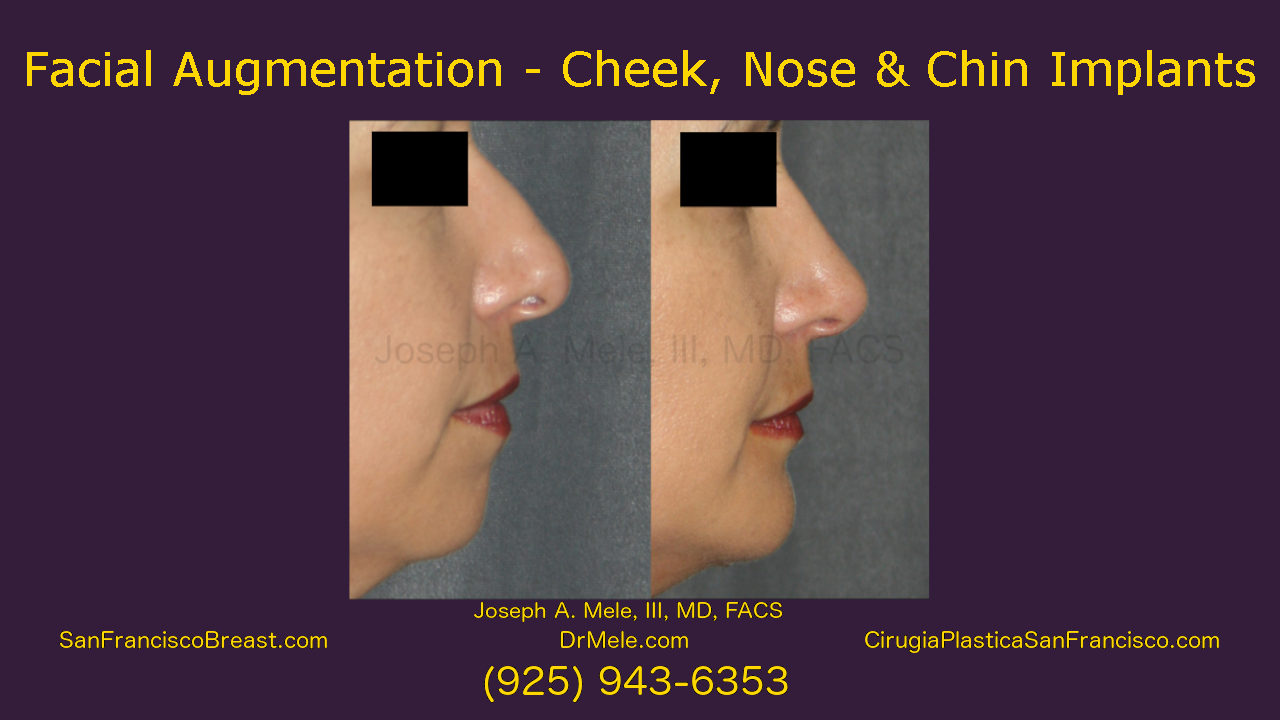
Below is a nasal surgery (rhinoplasty) video from a recent appearance on KRON, channel 4. The show is Body Beautiful with host, Vicki Liviakis. What follows is part 2 of a 4 part special presentation on cosmetic nasal surgery (nose jobs). Rhinoplasty before and after pictures are included and a closely related procedure, chin augmentation (chin implants) is also discussed.
If you have questions about nose surgery, please give me a call at (925) 943-6353, or use the contact form on the left. Additional information and links are also available at the end of this post. The 800 number in this nasal surgery video was only for viewers to call in during the live show.
Sushruta, the Original Nose Job and Ancient Plastic Surgery
Sushruta - The Father of Indian Surgery and Plastic Surgery
While many consider plastic surgery a relatively new discipline, its origins are documented more than 4000 years ago by the Indus River Civilization of India. In Sushruta’s Compendium (around 1000 BC – 600 BC), Sushruta documents ancient medicine, surgery and midwifery 150 years before Hippocrates.
The Nose Job is one of procedures which defines early Plastic Surgery, and Sushruta is credited as the first to describe the details of rhinoplasty. His compendium shows clearly that surgery and cosmetic plastic surgery have always been linked. Sushruta’s techniques spread from India to Persia, Arabia, Egypt and eventually Europe, and some methods are still used today.
In the next part of this series Rhinoplasty (Nasal Surgery) San Francisco Bay Area (Cosmetic Nose Job) Part 3 of 4) we will jump forward a few thousand years to Gaspare Tagliacozzi, the Father of “Modern” Plastic Surgery.
Nose Job Video on KRON4′s Body Beautiful
Rhinoplasty (Nasal Surgery) Questions
This Rhinoplasty (Nasal Surgery) Video includes:
Nasal Septal injuries
Methods used to build up the dorsum of the nose?
Asian Rhinoplasty techniques
Septal cartilage grafts
Ear cartilage grafts
Rib (costal) cartilage grafts
Nasal Implants
Weir excisions – to reduce the width of the base of the nose.
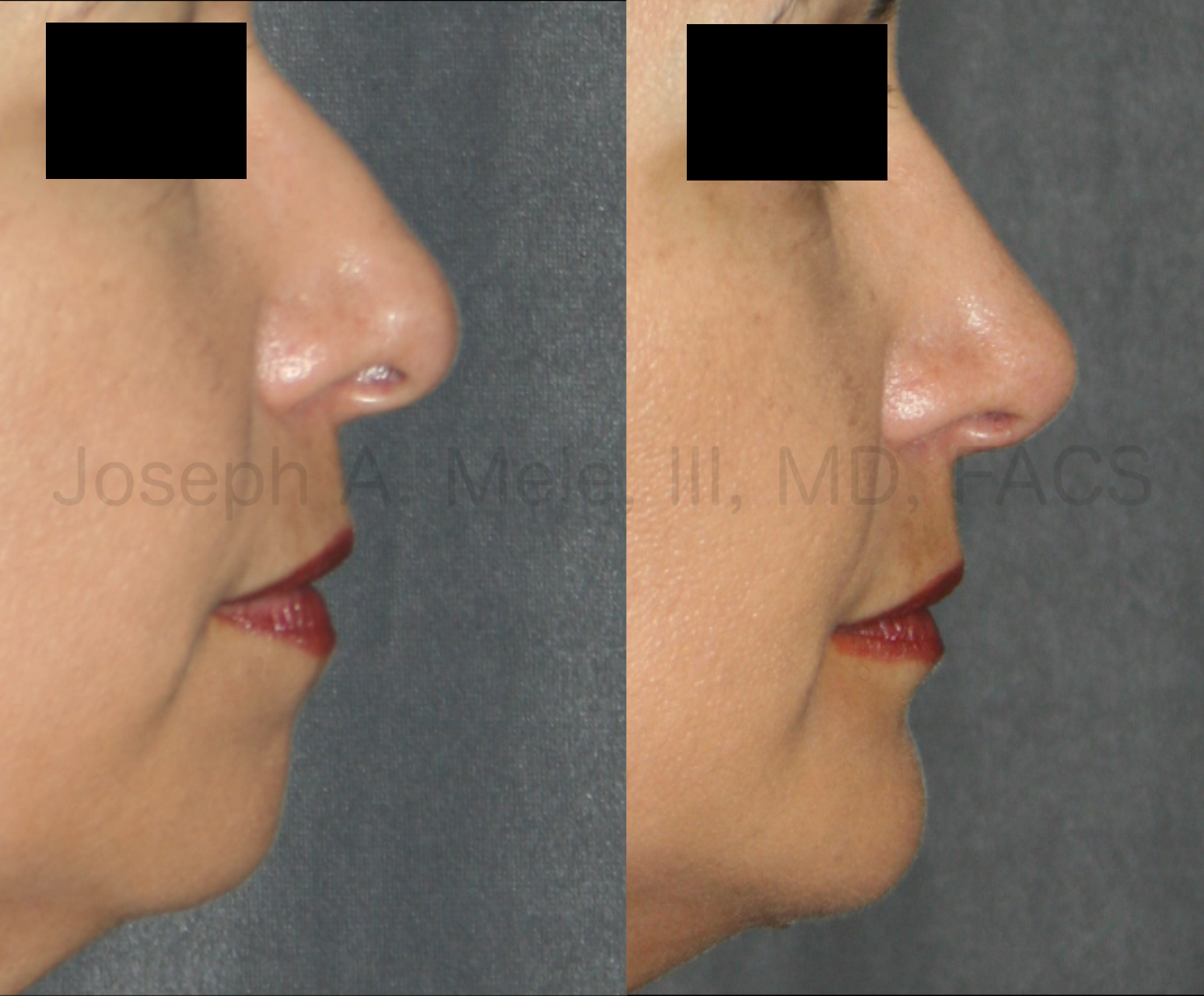
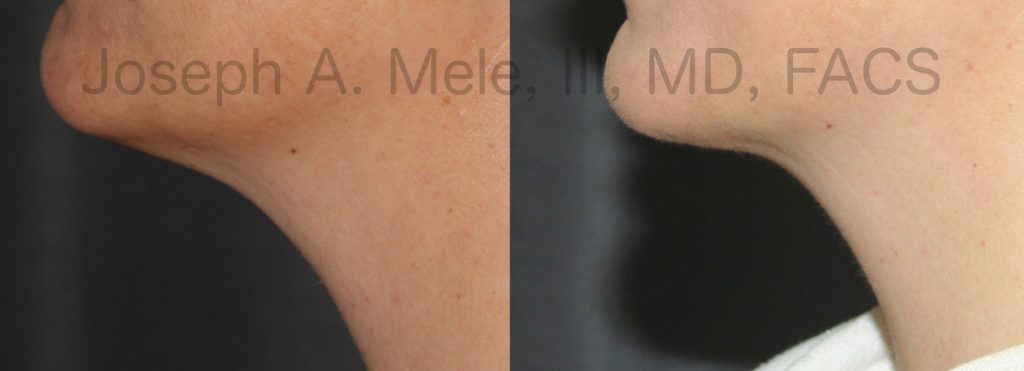
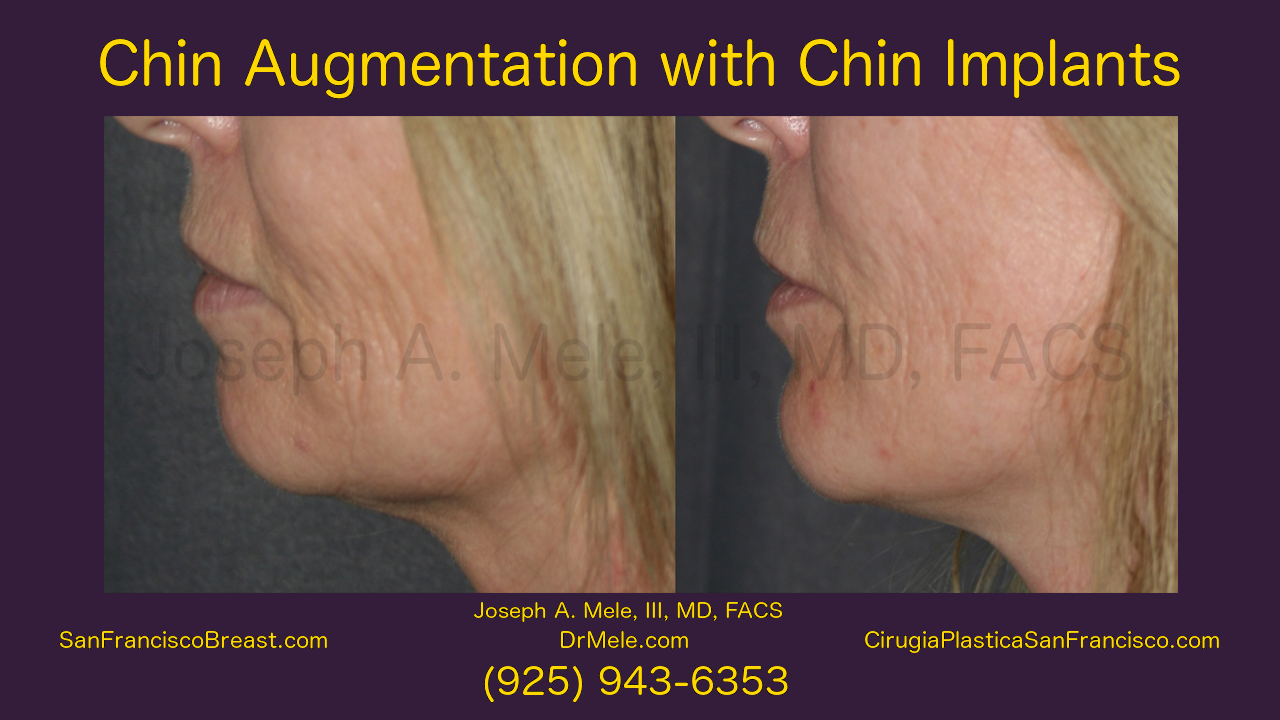
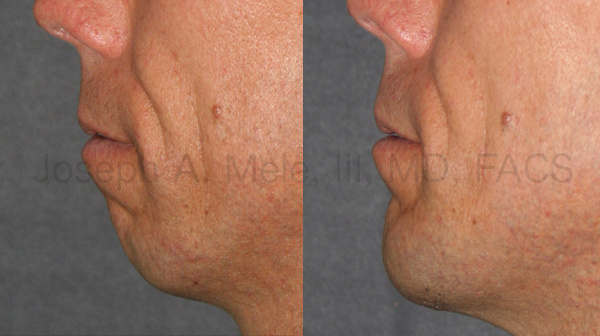
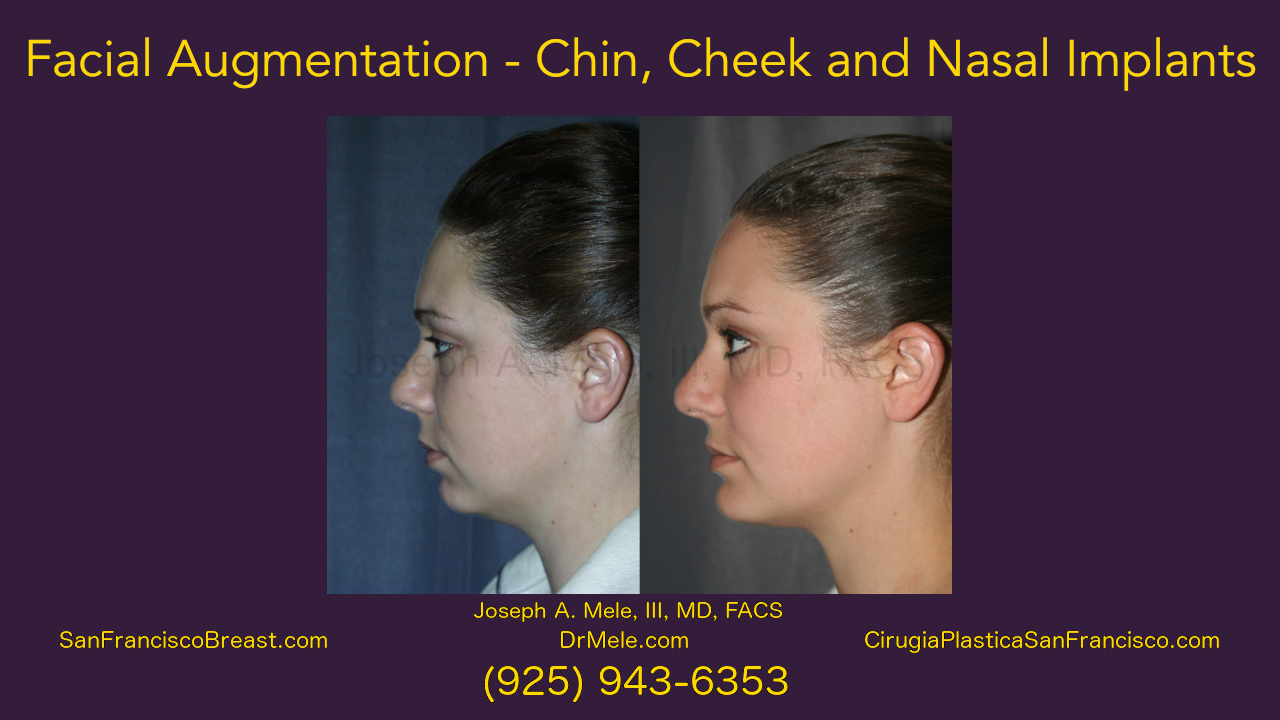
Rhinoplasty before and after pictures with and without chin augmentation (chin implants)
Dorsum hump reduction with nasal tip-plasty and nasal tip reduction
Dorsum reduction with chin implant
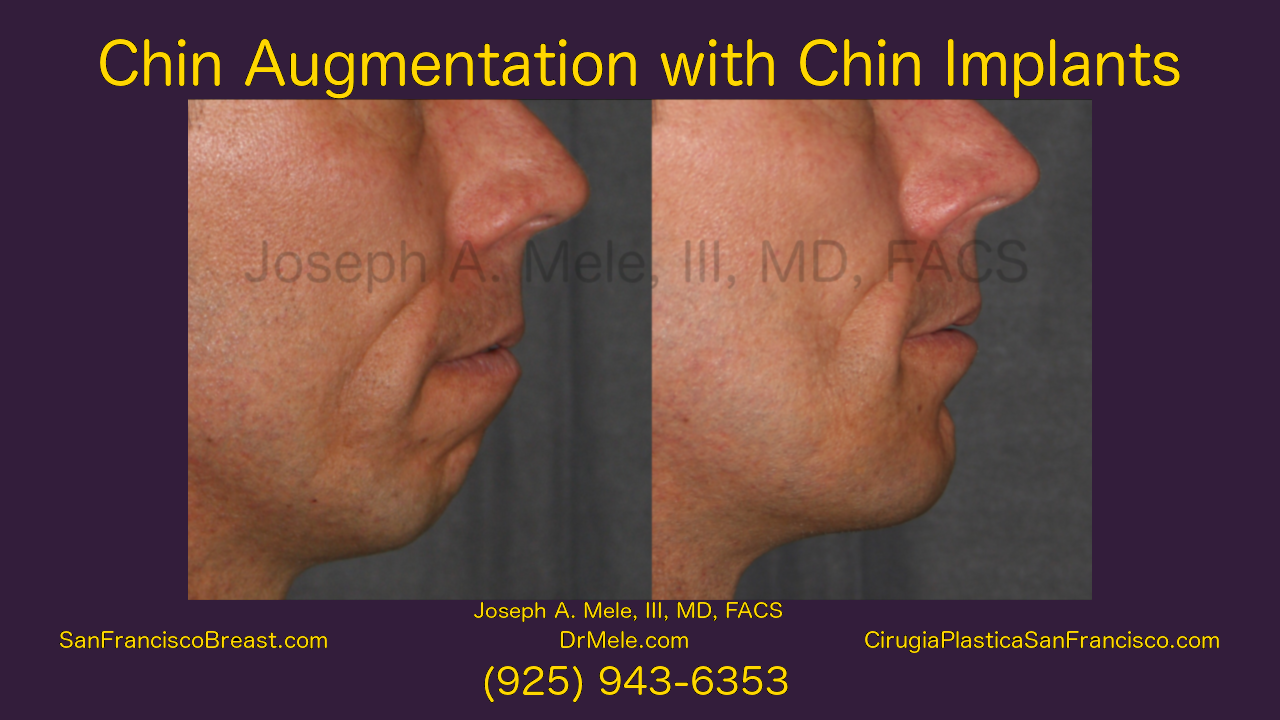
Before and after pictures – chin implant alone
What is the role of Computer Imaging for planning cosmetic surgery of the nose and chin?
Types of chin implants
Silicone chin implant
Medpore chin implant
Comparing proportions to size of nose?
Non-surgical rhinoplasty, building up the nose with HA fillers:
Restylane
Juvederm
Perlane
The form of the nose vs. the function of the nose
The treatment of Nasal Obstruction
Additional Information on Nasal Surgery, Rhinoplasty and Nose Jobs
This is part 2 of 4 in a video series on Rhinoplasty (Nasal Surgery) in the San Francisco Bay Area. Additional segments can be found here:
Silicone is used in many beauty aids. While most people equate silicone with breast implants, there is much more to how silicone is used. From contact lenses to shampoo (dimethicone) silicone is around us every day. Silicone drainage tubes can be life saving after brain injuries to prevent fluid on the brain and death. Silicone implants are used throughout the body to improve both form and function. Most silicone implants are solid. Injection of free silicone is different than using silicone implants. Free silicone injections are liquid, and unlike with breast implants, the liquid is not contained.
Q: Is Silicone a Liquid or a Solid? A: Yes
Silicone is extremely flexible in its use. At body temperature, silicone can be made with a wide range viscosities: liquid like water, cohesive like honey, soft solid like Jello, more firm like rubber or hard like a rock. The fact that silicone is extremely well tolerated by the human body, makes it an excellent substance for implantation; however, only silicone meant for medical use should be used, and only by a qualified professional should be consulted.
How is Silicone Used
As a Board Certified San Francisco Bay Area Plastic Surgeon, I use silicone implants every day in my Walnut Creek Plastic Surgery practice. In California, silicone implants are used to augment the breast, cheeks, chin, nose and many other areas.
Silicone Facial implants are made of a soft solid silicone. Since they are solid, they cannot leak. They are used routinely for Cheek Augmentation, Chin Augmentation and Nose Augmentation. Since silicone facial implants are used to augment boney prominences, the fact that they are firm is an advantage. They can be molded into specialized shapes and sizes, depending on the amount and location of augmentation desired. The smooth surface does not adhere to normal tissue, so it needs to be meticulously placed. The smooth surface also allows for easy removal, should removal ever become necessary. Solid silicone facial implants are firm but flexible. For larger augmentations, silicone facial implants may not be firm enough.
An example: for small to moderate chin augmentation, silicone chin implants work great. For larger chin augmentations, I prefer Medpore®, which is made from porous high-density polyethylene. It is much firmer, and since it is porous, it allows in-growth. In-growth can help stabilize the Medpore® chin implant, and further decrease the already small risk of infection. These are decisions best made during your presonal consultation with a Board Certified Plastic Surgeon. This allows an open, honest discussion of the pros and cons of each option with a trained expert who has the experience to back-up your specific surgery.
Silicone Breast Implants
All breast implants have a silicone shell, even saline filled breast implants. When we say silicone breast implants we are talking about what is inside. Silicone breast implants have a solid outer shell, and a center filled with a cohesive silicone gel. Some older silicone breast implants were filled with a thin liquid, which would migrate if the shell ever broke. Currently, the cohesiveness varies from a very thick gel that likes to stay together (Allergan Natrelle® and Mentor Memory Gel® breast implants – currently available) to a solid with the consistency of Jello® (Gummy bear, Allergan Natrelle 410′s and Mentor Cohesive III Implants – Not yet FDA approved). These gummy bear implants can be made with various asymmetrical shapes, because they are thick enough to retain their shape.
Free Silicone Injections – Buyer Beware
The San Francisco Bay Area is a great place to be a plastic surgeon. We have an educated population that is interested and aware of many of the latest options in plastic surgery. Unfortunately, new doesn’t mean better, and sometimes new isn’t even new. Silicone injections are a great example. Even San Francisco plastic surgeons are still looking for the perfect injectable to fill wrinkles and augment the face without surgery. A well tolerated, stable substance, free from allergy, that will last a hundred years and remain soft remains elusive. There was a time when silicone was felt to be that substance.
Silicone is well tolerated, and can be made thick enough to prevent migration. The augmentation obtained is better than Restylane®, Juvederm®, Perlane®, Radiesse® or any other available dermal filler. It can remain soft for many years. Unfortunately, the body will form scar around free silicone, and this scar can continue to develop over years into a hard disfiguring mass.
Free Silicone in the Lips
Silicone has been used for lips. Initial results are great; however, the long term results are not predictable. Lisa Rinna, famous for her silicone augmented lips, recently had to have surgery to excise the silicone from her lips.
Free Silicone in the Buttocks
Silicone has been used for buttock augmentation. At first it looks great, but with time, it becomes hard and can cause visual disfigurement. Since medical grade silicone is not available in the United Stated, reports surface every year of an unqualified injector offering cheap buttock enhancement using silicone purchased at the local hardware store.
Free Silicone for Breast Augmentation
Free silicone was used for breast augmentation, as was fat injection, until they were replaced by a much more effective and safer alternative – breast implants. Breast implants use a solid silicone shell to contain the silicone inside. A thicker, more cohesive gel is used inside to help prevent migration, but even this should be removed if the implant breaks. Since the center is highly cohesive, it acts as a unit rather than a liquid, so it can be hard to tell if a silicone filled breast implant has leaked. This is why the FDA recommends women who have silicone gel breast implants obtain an MRI at three years and then every two years after having breast augmentation surgery.
“New” Silicone Injections
Research is on-going to find the perfect formulation for silicone injections. The latest attempts are looking into silicone with increased viscosity to help prevent migration and reduce the scar reaction. Since it often takes years for the scar around free silicone to develop into a noticeable mass, the results are still pending. One problem is that the thicker gel is much more difficult to inject without resorting to something like a caulking gun. Until the known problems are solved, the American Society of Plastic Surgeons and the American Society for Aesthetic Plastic Surgery and the FDA do not approve of the use of silicone injections outside of clinical trials.
The previous two posts were about Rhinoplasty and Chin Augmentation. Sometimes combining procedures gives the best result. The Mommy Makeover, for example, combines breast enhancement with a tummy tuck. The two areas are anatomically independent, but by addressing two areas simultaneously, the recovery periods can be combined, and the results appreciated more quickly. When the two procedures are anatomically related, like when Rhinoplasty and Chin Augmentation are combined, simultaneous treatment allows for the creation of the optimal facial proportions and a pleasing cosmetic result.
Rhinoplasty and Chin Augmentation to refine the nose, improve the jaw line and create more balanced proportions of the face.
The Balanced Nose and Chin
The woman above presented with complaints of a bump on her nose (a dorsal hump) and a weak nasal tip that curved downward. She also had a small chin (microgenia) with a chin prominence well behind the projection of her lips. A rhinoplasty and chin augmentation were performed to smooth the dorsal hump, define and elevate the nasal tip and bring the chin forward. By combining the procedures, not only could each complaint be addressed, but the mid face and lower face profiles could be made harmonious.
How the Nose and Chin are Related
A small chin makes the nose appear larger, and visa versa. Modifying one will have the opposite effect on the other. In other words, if you make the chin larger, the nose will appear relatively smaller. By combining the procedures, the aesthetic balance of the nose and chin can be addressed, while each individual area is enhanced.
How to Choose a Plastic Surgeon for Combination Procedures
Combination procedures are best performed by a Board Certified Plastic Surgeon who is experienced with each component, and with the synergy that the combination provides. If you are looking to combine surgeries, you want a Board Certified Plastic Surgeon with experience in a wide range of cosmetic plastic surgery procedures, and the ability to seamlessly combine them.
How to Check if Your Plastic Surgeon is Board Certified
Facial enhancement can be accomplished with a filler or an implant. Fillers (Restylane®, Perlane®, Juvederm®, Radiesse®) are by far, the most common means of providing enhanced fullness. They provide almost instant results, with minimal recovery. With fillers, results need to be maintained with periodic treatments. Implants, on the other hand, require a recovery period, but can provide long lasting enhancement.
Facial Implants
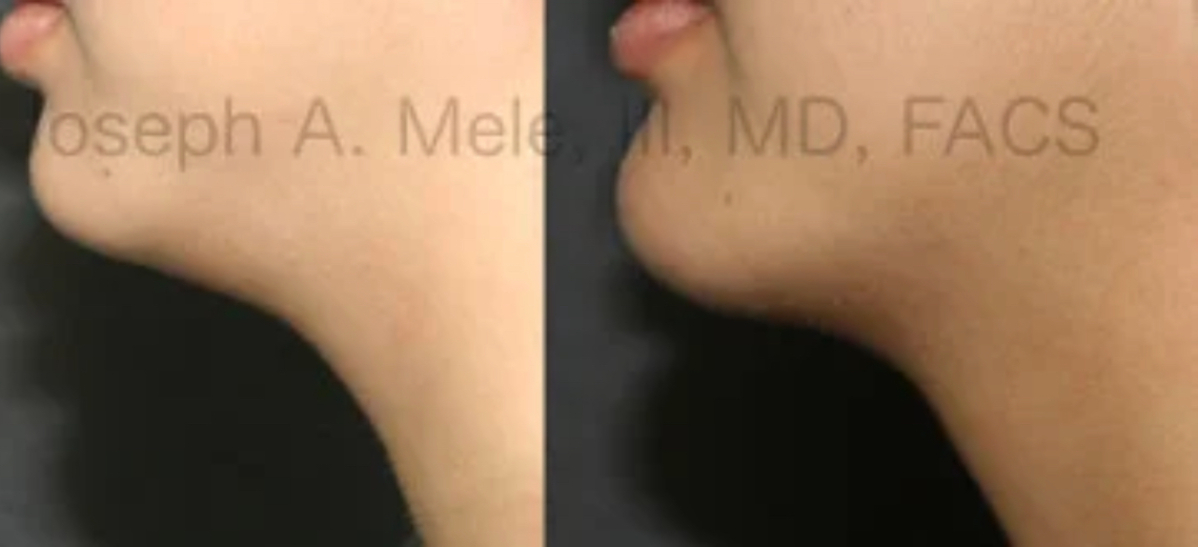
Chin implants are the most frequently used facial implants. Over 11,000 chin implants were inserted last year alone. The implant shape, size and material can be varied to help achieve the desired result. Even chin implants with clefts are available. The chin implant may be inserted through a small incision under the chin or inside the mouth.
Chin Augmentation – Before and After
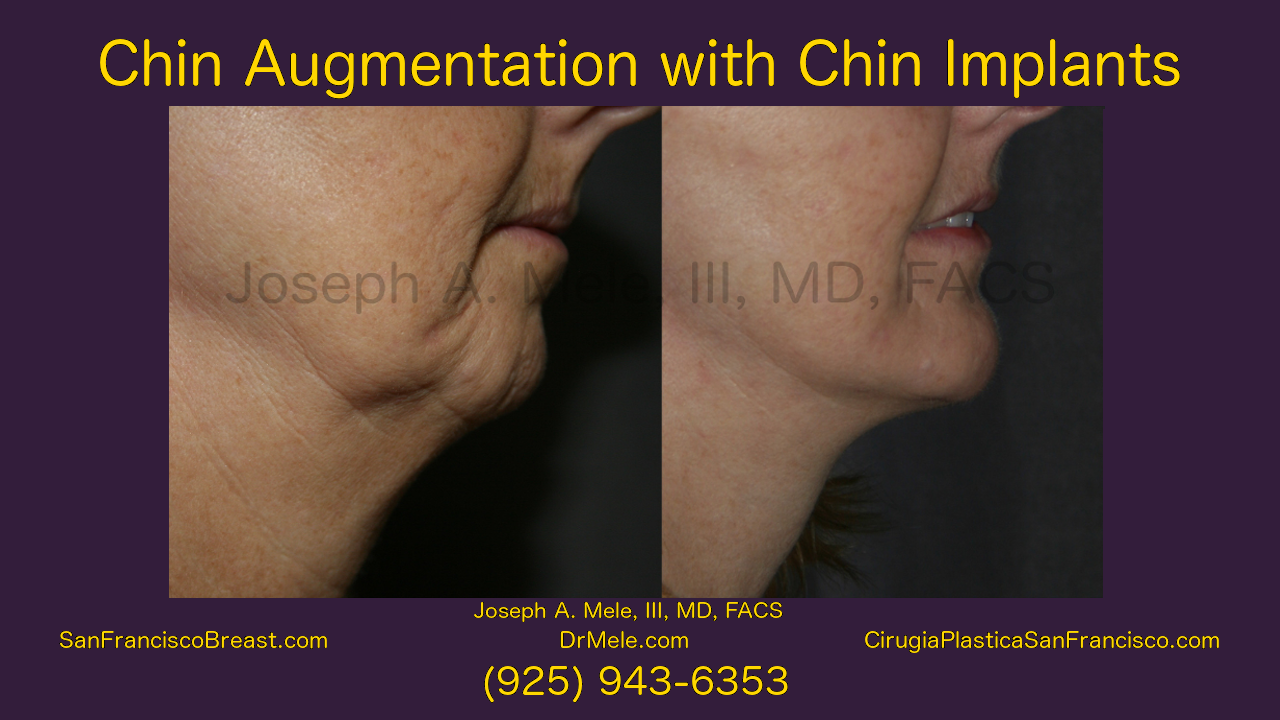
Chin Augmentation with Chin Implant. Before (Top Row) & After (Bottom Row)
The woman above presented with a desire for a stronger chin. The before pictures (top row) show that the most prominent aspect of her chin is well behind her lips. This relationship is most often seen in children. In an adult, the weak chin is not necessarily youthful, instead it gives a meek or timid look. Before surgery, the jaw line is also not well defined.
After chin augmentation (bottom row), the chin implant moves the chin profile anterior, and in line with the lip prominences. A strong jaw, with a well defined jawline is the result. More youthful appearance, and a more beautiful balance between the middle and lower face is the result.
How Much Chin is Enough?
On the profile view, the ideal chin extends as far forward as the lips. When the chin is shorter than the lips, this is called microgenia; literally “small chin” in latin. Computer imaging can help decide how much chin augmentation is enough. A digital photo of your profile can be modified to provide just the right amount of chin augmentation. This is used to guide implant selection, and helps provide you with a predictable result. To find out is if chin augmentation is right for you, schedule a consultation appointment today. Give me a call at (925) 943-6353.