Like most Plastic Surgeons, I like to operate. Plastic Surgery is a versatile tool. It can restore function after injury or disease, and it can improve form for even the normal body. But just because I have a hammer, I don’t think the whole world is a nail.
Plastic surgery is extremely personal, and I depend on you to help me know what the best course of treatment will be. Sometimes plastic surgery is the best answer, and sometimes less is more appropriate.
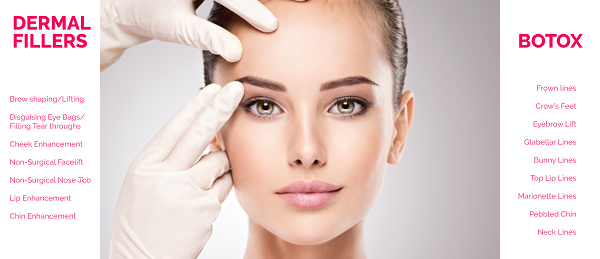
Many plastic surgeons use Botox and Restylane in their practices. While non-surgical, these products are complementary to what we Plastic Surgeons do. For example:
Forehead Wrinkles and Frown Lines
Relaxing the frown lines and forehead wrinkles has always been a part of the Brow Lift procedure. If you have droopy eyebrows that are pushing skin onto your upper eyelids, deep wrinkles running across your forehead, or vertical lines between the eyebrows that make you look angry (frown lines), a brown lift might be for you. On the other hand, if you have the frown lines the forehead wrinkles, but the eyebrows and eyelids are fine, Botox, Dysport and Xeomin, may provide you with an equally attractive result.
Lower Face Wrinkles
Lower facial wrinkles include the Naso-Labial Folds (NLF’s), Marionette Lines (ML’s), lip lines and other wrinkles found on the lower face. These areas can be treated with a Facelift, when coexisting with lower facial skin laxity, but when found in isolation, a face lift is more than what is needed. Dermal fillers like Restylane, Juvederm, Perlane and Radiesse can pinpoint the treatment to exactly where it is needed, without the downtime associated with surgery.
Naso-Labial Folds (NLF’s)
The Naso-Labial Folds are the lines that extend from the sides of the nose down to the lips. They are the result of muscle attachments to the skin, and are deepened when we smile. The more firmly the muscle is attached, the deeper the resulting fold. Filling the NLF’s with Restylane, Juvederm, Perlane or Radiesse can reduce the appearance of folds without affecting the ability to smile. Unlike botox, dermal fillers do not inhibit motion.
Marionette Lines (ML’s)
The Marionette Lines are a continuation of the NLF’s, extending from the corners of the mouth down to the jaw line. These too are reinforced when we talk and smile broadly. Like the Naso-Labial Folds, the Marionette Lines respond well to fillers. The ML’s often require more volume than the NLF’s for what would seem to be wrinkles of similar depth.
Lip Lines
Lip lines are the fine lines that radiate out from the lips. Often referred to as Smoker’s Lines, the lines are formed when we pucker our lips. Lip lines allow lipstick to bleed, and can make maintaining a clean line at the edge of the lip difficult. By carefully filling in the edge of the lip, a smoothed contour can be formed, and less lipstick bleed occurs. This can be done with or without Lip Augmentation, or purposefully adding volume to the lips.
Facial Wrinkle Correction Before and After Photos
This segment focusses on dermal fillers, and shows numerous before and after pictures illustrating the areas more commonly treated with fillers like Restylane, Juvederm, Perlane and Radiesse. Wrinkle relaxers, like Botox, Dysport and Xeomin can complement results in facial wrinkle reduction, but were not used for the areas shown in these before and after pictures.
Facial Wrinkle Correction Video
Today’s video is from a recent appearance on KRON‘s Body Beautiful during which I discuss how to use minimally invasive procedures to achieve maximum results. The (415) number in this video was for viewers to call during the live broadcast. If you have questions about dermal fillers or botox, give us a call at (925) 943-6353.
Facial Wrinkle Correction Video Contents
This Facial Wrinkle Correction Video includes:
Liquid Facelifts or Facial Wrinkle Reduction
The effects of gravity and aging on the face.
Who is a good candidate for wrinkle reduction treatments?
Before and After Pictures of Dermal filler treatments
Before and After Pictures of Howdy Doody Line treatment
Before and After Pictures of Naso-Labial Fold treatment
Before and After Pictures of Facial Wrinkle treatment
Before and After Pictures of Acne Scar treatment
Before and After Pictures of Lip Augmentation
Before and After Pictures of Non-Surgical Rhinoplasty
Dermal fillers used include
Restylane
Juvederm
Perlane
Radiesse
Neuromodulators can also enhance the results of fillers. For example:
BOTOX Cosmetic
Dyport
Xeomin
The best areas to treat with fillers
Temporary vs. “Permanent” Correction
Who Am I?
I am a Board Certified Plastic Surgeon in private practice in the San Francisco Bay Area city of Walnut Creek, California, for almost 15 years. The development of injectable therapies has revolutionized the way facial rejuvenation is approached. While no substitute for real plastic surgery, they do allow for real improvement in appearance of facial lines and wrinkles, in ways that were just not possible before.
More Wrinkle Correction Information
Information on facial wrinkle reduction is available in English and Español. Please follow the links below:
Wrinkle correction used to mean either small improvements with creams or major improvements with surgery. The ground betwen is now covered with the introduction of wrinkle fillers, like Restylane, Juvederm, Perlane and Radiesse, and wrinkle relaxers, like Botox, Dysport and Xeomin.
San Francisco Bay Area – Leaders in Wrinkle Reduction
San Francisco Bay Area Plastic Surgery patients have always been at the forefront of facial wrinkle correction with fillers. It began in the 70′s with the local development of Collagen, and carries on today with its replacement, hyaluronic acid or HA.
Like collagen, HA is a normal component of the skin, and is also found in our joints. HA dermal fillers are sold under many brands names, with the most popular being Restylane, Juvederm and Perlane. These clear gels allow for the correction of moderate to deep facial rhytids (lines) with minimal down time and quick improvement.
Wrinkle Relaxers – Botox, Dysport & Xeomin
Botulinum toxins have been used for years for the treatment of blepharospasm, a disabling chronic spasm of the muscles around the eyes causing functional blindness. For many years it was the plastic surgeons “secret” weapon, and used off-label, but a few years ago Allergan received approval for a new indication – the cosmetic treatment of frown lines. BOTOX Cosmetic was born. Others have followed with similar approval and results including Dysport and Xeomin.
Facial Wrinkle Correction Video
Today’s video is from a recent appearance on KRON‘s Body Beautiful during which I discuss how to use minimally invasive procedures to achieve maximum results. The discussion includes the use of fillers like Restylane, Juvederm, Perlane and Radiesse, and wrinkle relaxers, like Botox, Dysport and Xeomin. The (415) number in this video was for viewers to call during the live broadcast. If you have questions about dermal fillers or botox, give us a call at (925) 943-6353.
This Facial Wrinkle Correction Video includes:
Liquid Facelifts
Freshening up for special occasions
Dermal fillers
Restylane
Juvederm
Perlane
Radiesse
Neuromodulators
BOTOX Cosmetic
Dyport
Xeomin
The best areas to treat with fillers
The best areas to treat with neuromodulators
Who is a good candidate for wrinkle reduction treatments?
As a Board Certified Plastic Surgeon in private practice in the San Francisco Bay Area city of Walnut Creek, California, for almost 15 years, the development of these injectable therapies has revolutionized the way facial rejuvenation is approached. While no substitute for real plastic surgery, they allow for real improvement in appearance of facial lines and wrinkles, in ways that were just not possible before.
More Wrinkle Correction Information
Information on facial wrinkle reduction is available in English and Español. Please follow the links below:
The Liquid Facelift - Wrinkle Fillers: Restylane, Perlane, Juvederm, Radiesse; and Neuromodulators: BOTOX Cosmetic, Dysport and Xeomin.
The Liquid Facelift is a quick way to reduce the signs of facial aging. Technically not a facelift, the term liquid facelift refers to use of volume restoring injectables like Restylane, Perlane, Juvederm and Radiesse. These products can fill unwanted wrinkles and enhance facial features that are desired.
Filling Unwanted Wrinkles
Dermal Fillers are a class of pharmaceuticals designed to plump sagging skin. Unwanted facial wrinkles, like those found around the mouth, can be carefully filled to significantly reduce their appearance. The treatments are performed right in the office, and the downtime is minimal.
Dermal Fillers are administered with a fine needle, and come complete with local anesthetic inside. The most common unwanted side-effects are temporary and include swelling and bruising. Icing after treatments can help reduce both. A few days prior to your treatment, it is important to avoid medication that thins the blood like: aspirin, ibuprofen, naprosyn, vitamin E, fish oil and many natural supplements. This will reduce your risk of bruising. If you are planning to do some wrinkle reduction for a special occasion, do not delay. Ideally you should have the treatment done several weeks in advance. If you bruise, you will have plenty of time to recover, but your results will last for months.
Enhance Facial Features
Sometimes the goal is not to disguise, but to augment. Restylane, Perlane, Juvederm and Radiesse can be used to increase the size of some of the face’s most desirable features. Hyaluronic based fillers like Restylane, Perlane, Juvederm, can be used to enhance the lips. While Radiesse can be used to enhance the cheek bones and chin. If you are considering facial augmentation with cheek or chin implants, dermal fillers can provide a way to try it out on a temporary basis.
Maintaining the Result You Want
If you want to maintain the results, it is necessary to touch up the areas from time to time. For most patients, touch-ups require less volume than the initial treatment. This is because we are adding volume before the previous correction has completely resorbed, and because these product promote your face to produce collagen in the areas of injection. Even after treatment, the face continues to age. Dermal fillers cannot provide permanent results. The amount of wrinkle reduction, and the time it will last for you, may vary.
2011 Holiday Discounts on Selected Dermal Fillers and Neuromodulators
For the month of December several promotional specials are being offered in our San Francisco Bay Area, Walnut Creek plastic surgery office:
Any HA filler, buy two get one free includes: Restylane, Juvederm, and Perlane. All product must be administered by December 31, 2011.
Up to $65 rebate with each syringe purchased. (May be combined with above!)
Perlane – $65 rebate on each 1.0 cc syringe (maximum of 6 cc’s)
Restylane – $50 rebate on each 1.0 cc syringe (minimum of 2 cc’s & maximum of 6 cc’s)
$50 rebate on BOTOX Cosmetic and Dysport treatments of $200 or more.
Liquid Facelift Appointments
If you are interested in learning more about the liquid facelift and facial wrinkle fillers, or you want to know more about neuromodulators like Botox, Dysport and Xeomin, please give our San Francisco Bay Area Plastic Surgery office a call at (925) 943-6353, and schedule a personal consultation appointment. More information is also available on our web site under face: facial wrinkles (minimally invasive) or on DrMele.com under skin.
Dermal Filler to Treat Facial Wrinkles - Immediately after Perlane injections to Facial Wrinkles in the Naso-Labial folds with typical post-injection redness and swelling. The redness lasts about 24 hours, and can often be concealed with makeup.
Time flies when you are having fun, and I really enjoy being a Board Certified Plastic Surgeon in the beautiful San Francisco Bay Area. Clear sunny skies the weekend before Thanksgiving, and the rich diversity of the Bay Area’s culture remind me daily that it’s a great place to live, and to practice plastic surgery.
Experienced Hands
I am a board certified surgeon, who after completing my general surgery chief residency, spent three years as a fellow, specializing in plastic surgery right here in San Francisco. As a Board Certified Plastic Surgeon, my practice incorporates a wide variety of plastic and reconstructive surgery, but the majority of my time is spent performing cosmetic plastic surgery in Walnut Creek, San Ramon and Concord, California.
More Than 10,000 Procedures Performed
Time really does fly when you are having fun. A few years ago I performed my 10,000th procedure in private practice. Whether I am performing immediate breast reconstruction in the hospital, complex body shaping procedures after massive weight loss at an accredited surgery center, or a straight forward scar revision in my Walnut Creek plastic surgery office , the goals remain the same: maximum results, minimum recovery and happy patients.
“The noblest art is that of making others happy” – P.T. Barnum
Minimally Invasive Treatments
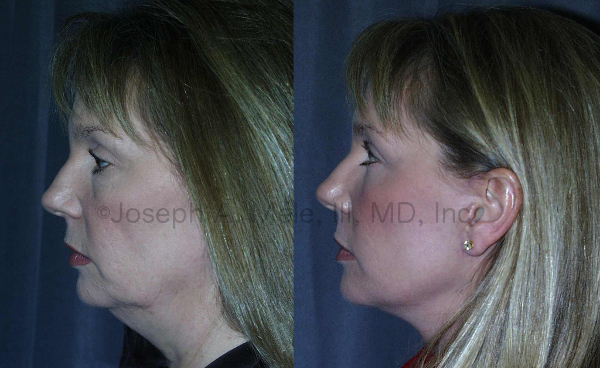
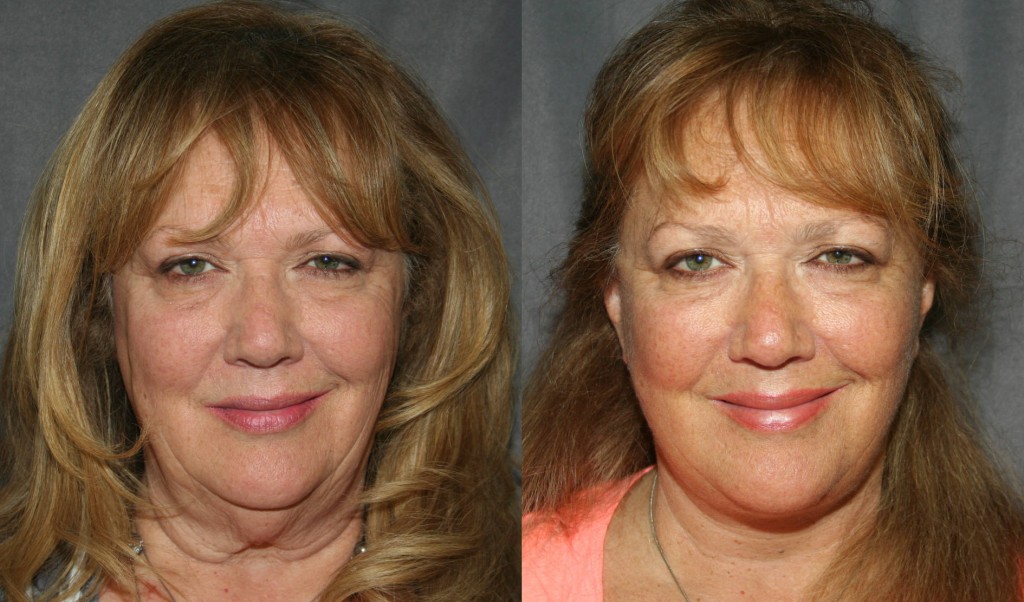
Sometimes less is all that is needed. A facelift is more than is necessary to correct moderate nasolabial folds (the lines that run from the sides of the nose to the corners of the mouth). As shown in the picture above, we have effective minimally invasive options in the form of dermal fillers like:
Restylane
Juvederm
Perlane
Radiesse
These provide a quick fix with minimal down time. They are called liquid facelifts, but they are not meant to be a substitute for facial plastic surgery. These dermal fillers reduce facial wrinkles in three ways:
Physically filling the wrinkle
Reducing skin folding by thickening the skin
Coercing the body to build collagen
Correction – Right Where You Need It
The beauty of facial fillers is the simplicity with which they work. They do not require an extensive medical work up, and treatments are well tolerated. Brand-name fillers are supplied in pre-filled, single-use syringes that provide a sterile, consistent product. Since Restylane, Juvederm and Perlane are HAs, a normal component of your skin and joints, the risk of allergy is extremely low. They are great products to work with, and they work well, right where I put them.
Experience Counts
Now matter how great the product, the most important factor in having your wrinkles treated, is the person doing the injections. Precise correction is imperative. Enough filler must be used to maximize improvement. Too much will give unnatural results; too little leads to under-corection and minimal results. It is also important to place the dermal fillers smoothly to avoid lumps and bumps.
Injectables, by their very natural, are fluid. Care must be taken in the initial placement, and caution used in the hours after injecting to avoid displacement. Forceful squeezing of Restylane, Juvederm, Perlane of Radiesse can mold the result, for better or for worse. After a few hours, the gel is set, and displacement is unlikely.
Recovery After Injectables
Another attractive feature of injectable fillers is the relatively short recovery period. There may be some initial swelling and redness over the area injected, but this tends to resolve in a day or two. Bruising occurs in 10-15% of injections, and this can take several days to resolve.
Ice and elevation help speed the return to normal activities. It is important to inform your doctor if you are taking any blood thinners, and this includes over the counter pain medications like aspirin, ibuprofen (Motrin, Advil), Aleve, as well as, vitamin and herbal preparations like Vitamin E, Fish Oil, Ginsing, Ginko and many others. It is best to let your doctor know before you show up for your injection to avoid a delay in treatment.
Timing of Treatments
Dermal Fillers (Restylane, Juvederm, Perlane, Radiesse) and Muscle Relaxers (Botox, Dysport, Xeomin) last for months. If you are planning your wrinkle treatments around a specific date, do not procrastinate. Since swelling and bruising can last several days, it is ideal to have the treatments three weeks before your goal date. This provides time for correct, recovery and touch-ups in the event that it is necessary.
Dermal Filler Treatments
Dermal filler treatments are offered and performed every day in my office. For new patients, the procedure can be performed at the time of consultation, as long as there are no contraindications. If you are interested in finding out more about dermal fillers, give us a call at (925) 943-6353 or use the contact form on the left.
Also ask about Botox and Dysport. Since the Botox and Dysport not packaged for individual use, treatments are grouped around the first and third Wednesday of each month, or by special arrangement.
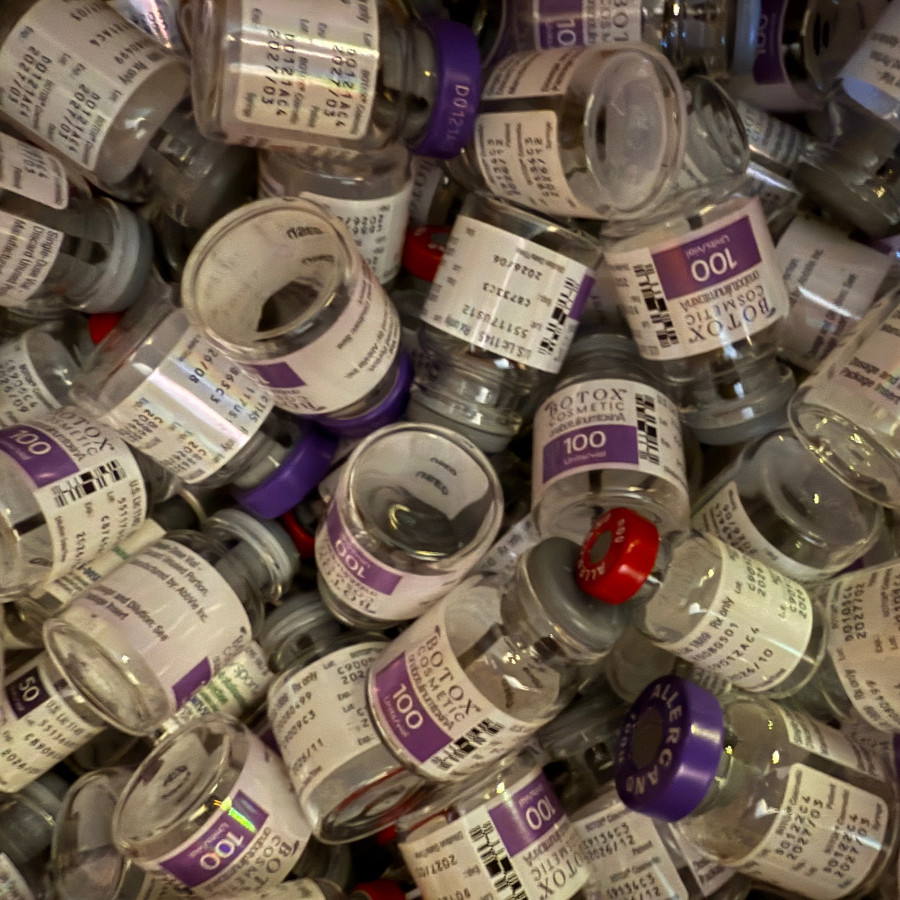
BOTOX Cosmetic and Dysport have established their niche in wrinkle reduction, but new drugs are on the way. Xeomin will be here in 2012 and PurTox is staged to launch right behind it.
Botulinum Toxin
Botulinum toxin - Chemical Formula: C6760H10447N1743O2010S32 Hard to believe that this reduces wrinkles!
The first standardized Botulinum Toxin was prepared for therapeutic use by Alan Scott, MD, a San Francisco Ophthalmologist, and Edward Schantz in the 1960′s. In 1980, Dr. Scott was the first to use botulinum toxin type a (BTX-A) to treat strabismus (crossed eyes) and blepharospasm (involuntary forceful squinting). He successfully treated many patients until 1986, when the inability to purchase liability insurance caused his US source to end production.
In December 1989, Allergan was the first company to receive FDA approval for the use of BTX-A for the treatment of strabismus, blepharospasm, and hemifacial spasm in patients over 12 years old. Thus Botox was born.
Botox was not approved for cosmetic uses until 2002; however, the cosmetic effect of BTX-A on wrinkles was published in the Journal Plastic and Reconstructive Surgery in 1989, by a plastic surgeon from Sacramento, California, Dr. Richard Clark
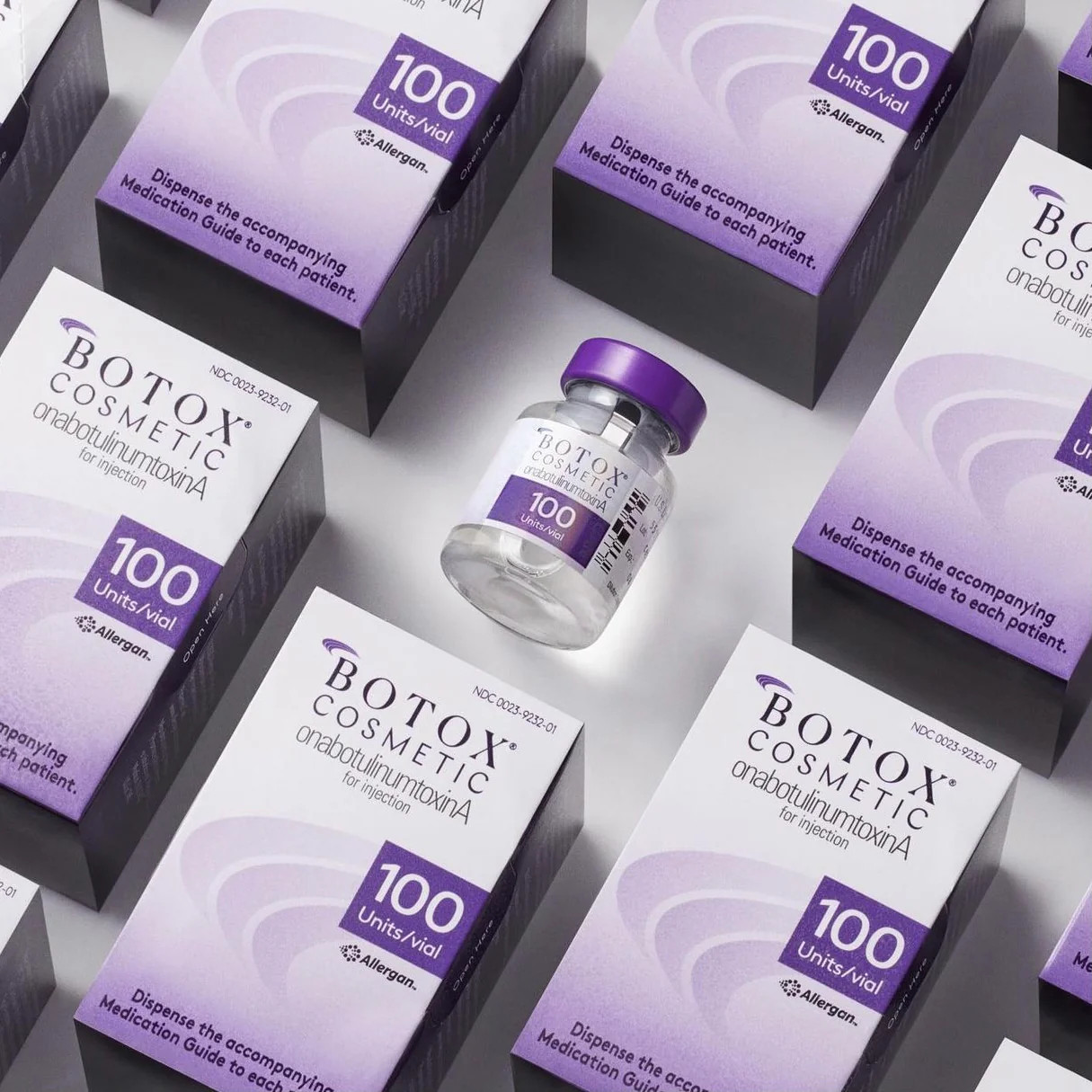
BOTOX Cosmetic® (onabotulinumtoxinA)
BOTOX Cosmetic was the First to Market for Wrinkle Reduction in the US.
BOTOX Cosmetic is manufactured and distributed by Allergan (Ireland, US, Costa Rica). Plastic surgeons have been using Botox “off-label” for years to treat wrinkles. BOTOX Cosmetic received FDA approval on April 12, 2002, to “temporarily improve the appearance of moderate-to-severe frown lines between the eyebrows” (glabellar frown lines or the elevens). The name for the wrinkle reducer was changed to BOTOX Cosmetic to provide legal “separation” from the Botox used for the treatment of other medical problems. To this day, Botox and all other forms of botulinum toxin, are only FDA approved for the reduction of the glabellar frown lines. Reduction of other wrinkles remains an “off-label” use
Dysport® (abobotulinumtoxinA)
Dysport (abobotulinumtoxinA) was the first Botulinum Toxin A introduced in the European Market, but Second to the US Market.
Dysport is manufactured by Ipsen (Paris), marketed by Medicis (Scotsdale) and distributed by McKesson (San Francisco). Dysport received FDA approval in late April 2009, and began shipping June 15, 2009.
Dysport has been a worthy competitor since its launch, and continues to offer efficacy at a reduced cost. Back by popular demand, the Dysport Challenge of 2010 has been extended, and the ante has been upped. The latest challenge is named “Think Outside the Bo**x” with the following details:
Try Dysport by September 30, 2011 and get $50 back.
If you have received BOTOX Cosmetic between 3 and 12 months before your Dysport treatment, get another $50 for making the switch.
Xeomin has finished its Phase III Trials and received FDA approval. It is expected to be available in the Spring of 2012
Xeomin is the latest arrival in the botulinum toxin business. It is manufactured by Merz, and has just received FDA approval for wrinkle reduction of the glabellar frown lines. Like its predecessors, Xeomin had previously been FDA approved for the treatment of blepharospasm and cervical dystonia (painful contraction of the neck muscles causing abnormal head position). It is expected to hit the cosmetic market in Spring of 2012.
PurTox (anotherbotulinumtoxinA)
Other brands of BTX-A are certain to come, but PurTox will likely be the next. Manufactured by Mentor Corporation, a division of Johnson and Johnson, PurTox has completed all Phase III trials and is currently awaiting FDA approval.
So Which BTX-A is Best?
It remains to be seen how head-to-head consumer comparisons between Botox, Dysport, Xeomin and PurTox will play out. Will one prove itself supreme? Time will tell, and I will be here to let you know.
Stem Cells Facelifts, Stem Cell Breast Augmentation, Stem Cells in Plastic Surgery - Marketing Hype or Next Big Thing?
Stem Cells seem to be everywhere today: Stem Cell Breast Augmentation, Stem Cell Facelifts, Stem Cell Facial Creams, but what is it really worth? Does the marketing hype live up to the objective evidence? Are Stem Cells the panacea? First a little background.
The idea of a Stem Cell is exciting: a cell that has the potential to change into any cell type you would want, placed where you want it. Sounds too good to be true, but science is marching towards exactly that. Currently, these types of results are reproducible under laboratory conditions, but are currently not as predictable in the patient.
Stem Cells Grafts and Stem Cell Injections
The original “Stem Cell” grafts were done for years, without doctors realizing that’s what they where doing. San Francisco Plastic Surgeons have been removing fat and transplanting it into patients’ wrinkles to reduce folds long before there was Restylane®, Juvederm®, Perlane®, Radiesse® or any other currently available prepackaged wrinkle filler. Fat grafting predates even the Bay Area’s own contribution to fewer wrinkles and larger lips, Collagen, and it turns out that fat grafts also contain stem cells.
Fat has More Stem Cells than Bone Marrow
I remember attending a presentation at the California Society of Plastic Surgery in Napa in 1995, during which the discovery of numerous and varying stem cells in liposuction aspirate was being discussed. It was at that time, we plastic surgeons began to realize that fat transplants contain more than just fat cells. Whether the fat is surgically removed and replaced as fat grafts, or is removed with liposuction and injected, stem cells are present.
Stem Cell Breast Augmentation
The first documented breast augmentation was done with fat in 1895. Surgeon Vincenz Czerny used a benign lumbar lipoma (fatty growth), to repair the breast asymmetry caused by removing a tumor. Larger volumes of fat could be used for primary breast augmentation; however, then as today, larger transplantations can be problematic:
The volume of fat that lives can be variable leading to unpredictable amounts of augmentation.
The area grafted can become lumpy and irregular.
Nodules can develop.
Calcifications can develop making it difficult to properly screen for cancer on a mammogram.
As the patients ages and gains weight, so too do the grafts.
Stem Cell Facelifts
Part of the reason the face ages is that the fat on the face atrophies (goes away). Healthy babies have big fat round faces, and youthful faces maintain this padding. As we age, we lose the fat that adds volume to, and supports the skin. The result is a longer, narrower face, and skin that sags. Replacing this lost volume is one of the holy grails of plastic surgery. Facial implants, fillers, fat injections all have there place, and each can be helpful. Most stem cell facelifts are simply fat grafting to the face. While expensive machines are available to concentrate the stem cells in the graft, most practitioners do not use them, and there is simply no evidence that concentrating stem cells helps. This is one of the questions that the Stem Cell Task Form considered, and the answer still remains unclear.
ASPS and ASAPS Joint Stem Cell Task Force 2011
I was in Boston this week for the annual ASAPS meeting, and on Monday, the ASPS and ASAPS joint position paper on Stem Cells and Fat Grafting was released. While the data looks promising, there is nothing currently in the literature to support the marketing claims you are currently hearing, and there is concern that these unsubstantiated claims will harm patients and tarnish the reputation of Plastic Surgery. The following is from the above referenced paper:
Terms such as “stem cell therapy” or “stem cell procedure” should be reserved to describe those treatments or techniques where the collection, concentration, manipulation, and therapeutic action of the stem cells is the primary goal, rather than a passive result, of the treatment. For example, standard fat grafting procedures that do transfer some stem cells naturally present within the tissue should be described as fat grafting procedures, not stem cell procedures.
The marketing and promotion of stem cell procedures in aesthetic surgery is not adequately supported by clinical evidence at this time.
While stem cell therapies have the potential to be beneficial for a variety of medical applications, a substantial body of clinical data to assess plastic surgery applications still needs to be collected. Until further evidence is available, stem cell therapies in aesthetic and reconstructive surgery should be conducted within clinical studies under Institutional Review Board approval, including compliance with all guidelines for human medical studies.
The collection and reporting of data on outcomes and safety by any physician performing stem cell therapies is strongly encouraged in order to advance the knowledge and science of stem cells.
Stem cell based procedures should be performed in compliance with FDA regulatory guidelines. If devices are employed that are subject to regulation by the FDA, surgeons should use these devices with appropriate approval in place, especially when used for investigational purposes.
Patients are advised to seek consultation for aesthetic procedures by a surgeon certified by the American Board of Plastic Surgery. These physicians are able to properly evaluate a patient’s concerns and offer a wide range of safe solutions. Extreme caution should be exercised when a physician is promising results from any treatment that sound too good to be true.
Buyer Beware
I continue to follow the debate, and as much as I want stem cells to be the next greatest thing, I also don’t want my hopes to cloud my judgement. Even among the tight knit aesthetic plastic surgery community, there is vigorous disagreement about the methods, safety and efficacy of fat grafting and the use of stem cells. At least a frame work for discussion has been defined, and the research is under way.
For now, buyer beware is still the best advice I can give. We all know that when something sounds too good to be true, it is probably not true, but we want to believe. Just because something claims to be new, it does not mean it is new, and being new has nothing to do with being better. We all want the greatest improvement with the least down time and no scars; however, there is something to be said for the tried and true. The older the procedure is, the longer it has survived, the more it has stood the test of time as a safe and reliable option.
Silicone is used in many beauty aids. While most people equate silicone with breast implants, there is much more to how silicone is used. From contact lenses to shampoo (dimethicone) silicone is around us every day. Silicone drainage tubes can be life saving after brain injuries to prevent fluid on the brain and death. Silicone implants are used throughout the body to improve both form and function. Most silicone implants are solid. Injection of free silicone is different than using silicone implants. Free silicone injections are liquid, and unlike with breast implants, the liquid is not contained.
Q: Is Silicone a Liquid or a Solid? A: Yes
Silicone is extremely flexible in its use. At body temperature, silicone can be made with a wide range viscosities: liquid like water, cohesive like honey, soft solid like Jello, more firm like rubber or hard like a rock. The fact that silicone is extremely well tolerated by the human body, makes it an excellent substance for implantation; however, only silicone meant for medical use should be used, and only by a qualified professional should be consulted.
How is Silicone Used
As a Board Certified San Francisco Bay Area Plastic Surgeon, I use silicone implants every day in my Walnut Creek Plastic Surgery practice. In California, silicone implants are used to augment the breast, cheeks, chin, nose and many other areas.
Silicone Facial implants are made of a soft solid silicone. Since they are solid, they cannot leak. They are used routinely for Cheek Augmentation, Chin Augmentation and Nose Augmentation. Since silicone facial implants are used to augment boney prominences, the fact that they are firm is an advantage. They can be molded into specialized shapes and sizes, depending on the amount and location of augmentation desired. The smooth surface does not adhere to normal tissue, so it needs to be meticulously placed. The smooth surface also allows for easy removal, should removal ever become necessary. Solid silicone facial implants are firm but flexible. For larger augmentations, silicone facial implants may not be firm enough.
An example: for small to moderate chin augmentation, silicone chin implants work great. For larger chin augmentations, I prefer Medpore®, which is made from porous high-density polyethylene. It is much firmer, and since it is porous, it allows in-growth. In-growth can help stabilize the Medpore® chin implant, and further decrease the already small risk of infection. These are decisions best made during your presonal consultation with a Board Certified Plastic Surgeon. This allows an open, honest discussion of the pros and cons of each option with a trained expert who has the experience to back-up your specific surgery.
Silicone Breast Implants
All breast implants have a silicone shell, even saline filled breast implants. When we say silicone breast implants we are talking about what is inside. Silicone breast implants have a solid outer shell, and a center filled with a cohesive silicone gel. Some older silicone breast implants were filled with a thin liquid, which would migrate if the shell ever broke. Currently, the cohesiveness varies from a very thick gel that likes to stay together (Allergan Natrelle® and Mentor Memory Gel® breast implants – currently available) to a solid with the consistency of Jello® (Gummy bear, Allergan Natrelle 410′s and Mentor Cohesive III Implants – Not yet FDA approved). These gummy bear implants can be made with various asymmetrical shapes, because they are thick enough to retain their shape.
Free Silicone Injections – Buyer Beware
The San Francisco Bay Area is a great place to be a plastic surgeon. We have an educated population that is interested and aware of many of the latest options in plastic surgery. Unfortunately, new doesn’t mean better, and sometimes new isn’t even new. Silicone injections are a great example. Even San Francisco plastic surgeons are still looking for the perfect injectable to fill wrinkles and augment the face without surgery. A well tolerated, stable substance, free from allergy, that will last a hundred years and remain soft remains elusive. There was a time when silicone was felt to be that substance.
Silicone is well tolerated, and can be made thick enough to prevent migration. The augmentation obtained is better than Restylane®, Juvederm®, Perlane®, Radiesse® or any other available dermal filler. It can remain soft for many years. Unfortunately, the body will form scar around free silicone, and this scar can continue to develop over years into a hard disfiguring mass.
Free Silicone in the Lips
Silicone has been used for lips. Initial results are great; however, the long term results are not predictable. Lisa Rinna, famous for her silicone augmented lips, recently had to have surgery to excise the silicone from her lips.
Free Silicone in the Buttocks
Silicone has been used for buttock augmentation. At first it looks great, but with time, it becomes hard and can cause visual disfigurement. Since medical grade silicone is not available in the United Stated, reports surface every year of an unqualified injector offering cheap buttock enhancement using silicone purchased at the local hardware store.
Free Silicone for Breast Augmentation
Free silicone was used for breast augmentation, as was fat injection, until they were replaced by a much more effective and safer alternative – breast implants. Breast implants use a solid silicone shell to contain the silicone inside. A thicker, more cohesive gel is used inside to help prevent migration, but even this should be removed if the implant breaks. Since the center is highly cohesive, it acts as a unit rather than a liquid, so it can be hard to tell if a silicone filled breast implant has leaked. This is why the FDA recommends women who have silicone gel breast implants obtain an MRI at three years and then every two years after having breast augmentation surgery.
“New” Silicone Injections
Research is on-going to find the perfect formulation for silicone injections. The latest attempts are looking into silicone with increased viscosity to help prevent migration and reduce the scar reaction. Since it often takes years for the scar around free silicone to develop into a noticeable mass, the results are still pending. One problem is that the thicker gel is much more difficult to inject without resorting to something like a caulking gun. Until the known problems are solved, the American Society of Plastic Surgeons and the American Society for Aesthetic Plastic Surgery and the FDA do not approve of the use of silicone injections outside of clinical trials.
Allergan, the manufacture of Juvéderm XC and Vivité, is giving away a free Vivite Defining Lip Plumper to patients receiving a Juvederm XC injectable filler treatment.
Juvederm is now available as Juvederm XC with Lidocaine added for comfort. All qualifying patients receiving Juvederm between now and September 30, 2010, are eligible to receive a free Vivite Defining Lip Plumper (a $45 value).
If you are not familiar with Juvederm, it is an HA filler similar to Restylane and Perlane. This year, all three were reformulated with Lidocaine (a local anesthetic). This significantly decreases injection site discomfort compared to the HA products without Lidocaine. HA is a filler used to attenuate the appearance of moderate to deep facial wrinkles. The most frequently treated areas are the nasolabial and marionette lines, which can give the appearance of parenthesis around the mouth. (Thus the clever logo at the top of this article.) Juvederm is also used for lip augmentation, to add volume to lips.
If you have wanted to try Juvederm, or you are ready for a refresher, now is a great time to schedule a consultation appointment. Just give us a call at (925) 943-6353. Juvederm treatments must be completed by September 30, 2010 to qualify for the Vivite Defining Lip Plumper give away.
The name for the facelift procedure, or rhytidectomy, comes from the Latin word rhytid meaning wrinkle. Rhytidectomy literally means wrinkle removal. While Board Certified Plastic Surgeons remove wrinkles from all over the body, in Cosmetic Plastic Surgery, the term rhytidectomy is used almost exclusively to describe the surgical procedure that removes wrinkles from the face.
While the facelift is the gold standard for facial rejuvenation, there are many options to consider. This video segment, taken from my appearance on KRON4′s Body Beautiful, discusses the changes that occur in the face as we age. It reviews treatments like botulinum toxin (BOTOX Cosmetic, Dysport) and fillers (Restylane, Perlane, Juvederm), mini-facelifts and the facelift. San Francisco Bay Area residents were able to call in with their questions and have them answered live on the air.
The 800 number in the video below was only used for viewer questions during the live broadcast. If you have questions, or would like to schedule a consultation appointment, please call my Walnut Creek Plastic Surgery office at (925) 943-6353.
This video is provided for general informational purposes only. Specific recommendations can only be made after a careful history and physical examination is performed. Some of the topics covered include:
Loss of facial volume as we age
The effects of gravity
Restoration of volume with fillers
Reducing facial animation lines with Botox/Dysport
What is a facelift?
What areas of the face are addressed with a facelift?
Is the neck included in a facelift?
How is facial volume replacement addressed?
Is it supposed to look tight?
The other segments of this broadcast can be found here:
Rhytidectomy (Facelift) San Francisco – Part 1 of 4 (You are here)
Lattisse - Now available in our Walnut Creek office.
Latisse®, the only FDA approved prescription treatment for making eyelashes longer, thicker and darker, is celebrating it’s first anniversary. If you are a Latisse user, or if you want to be, Allergan is offering the Latisse® first anniversary rebate program.
If you are already enjoying Latisse®, BOTOX Cosmetic® and Juvederm®, Allergan is giving away money. If you have been interested, and would like to get started now is a great time. To cash in you have to use Latisse® and either Botox® or Juvederm® before July 15, 2010. Here’s how it works:
1) Purchase a Latisse® kit between now and July 15, 2010. (Now available in the office.)
2) Come in for a BOTOX Cosmetic® or Juvederm XC® treatment before July 15, 2010.*
You will receive $50 back from Allergan for using Latisse® and either Botox® or Juvederm®. You will receive $100 back if you use both BOTOX Cosmetic® and Juvederm® XC with the Lattise®.
The above is advertisement from Allergan and is an example of eye lash growth possible with Latisse®. Your results may differ. Unlike most the pictures on this blog this is not an actual Dr. Mele patient.
*Minimum purchase requirements apply to Botox and Juvederm. The minimums are less than the amount normally used to treat the average frown line or wrinkle.