December 1st, 2009 Dr. Mele
The base width diameter (BWD) of the breast is an import measurement for selecting the best breast implant. For my San Francisco Bay Area breast augmentation patients to achieve the best breast augmentation, the width of the breast must correlate with the width of the implant.
I am often asked what is the best breast implant profile or best breast implant volume for a certain bra size. The answer depends on many specifics, but the base width diameter (BWD) of the breast is one of the most important measurements used to determine the optimal breast implant diameter.
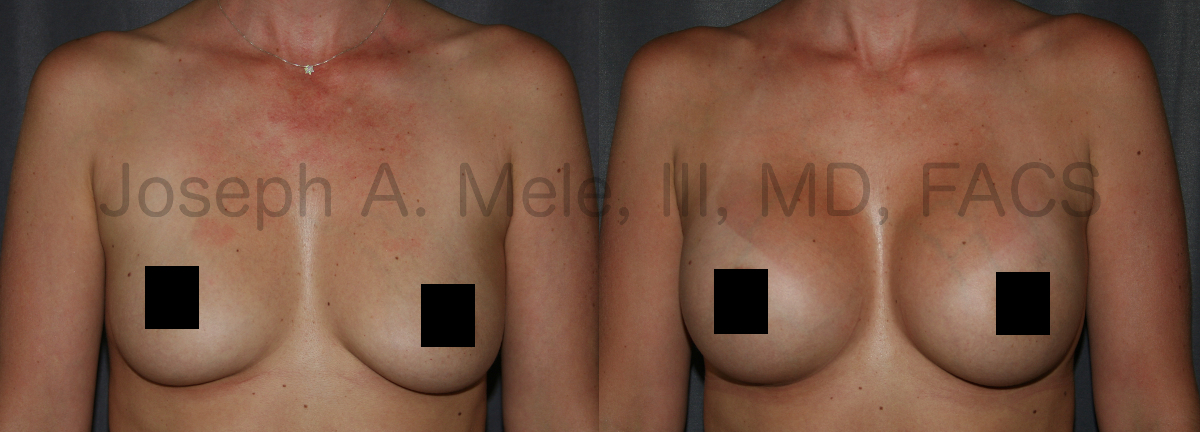
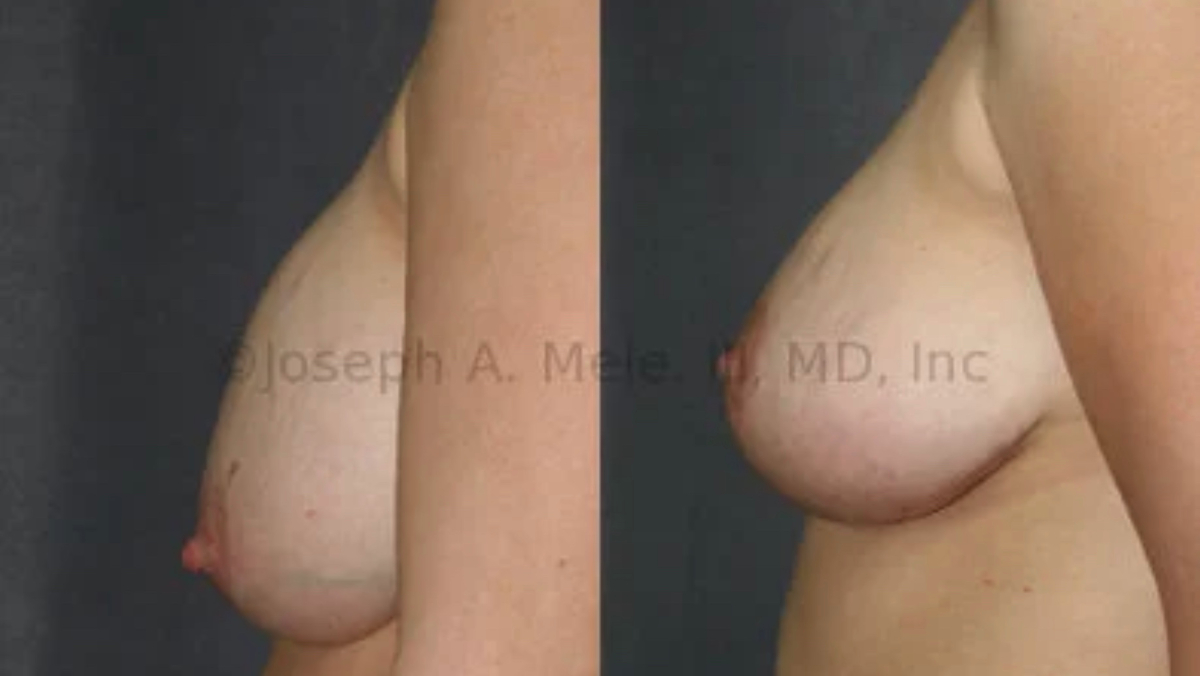
 This patient desired restoration of her lost breast volume. Note the patient's left breast is higher than her right breast prior to breast augmentation. |
 After breast augmentation. Breast implant diameter was selected to enhance cleavage without overly enhancing width. |
There is more to choosing the best breast implant than just picking an implant with a diameter that matches the chest, but it is a great place to start. While no implant is the perfect breast implant, choosing one that is proportional to the body is the best way to get a full and natural result.
It’s like Goldilocks. If the beast implants are to wide, they will hang over the sides and you will be bumping into them with your upper arm. If the breast implants are too narrow, they will tend to fill the outside of the breast and leave a space between the beasts. If the implants are just right, the breast can be filled over the entire base width and create a naturally full cup.
After choosing the appropriate beast implant diameter, the volume can be adjusted by choosing the appropriate profile. Low profile breast implants are flatter than high profile breast implants. The larger the volume desired, the higher profile selected and the more projection obtained.
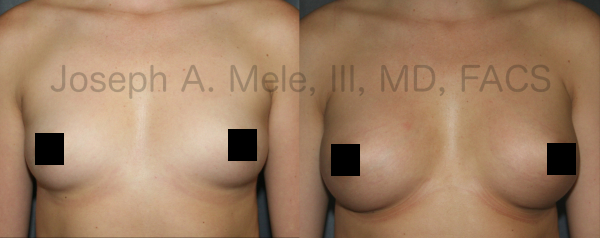
 Prior to breast augmentation. The breast maintains a low projection but more volume is desired. |
 After breast augmentation. Enhanced projection is obtained by using a higher profile implant. |
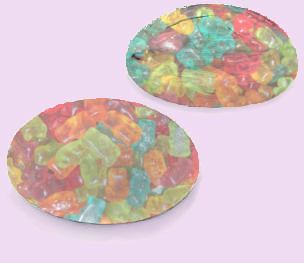
When I trained as a Plastic Surgery fellow at Saint Francis Memorial Hospital in San Francisco, California, only moderate profile saline breast implants were available for breast enlargement. Today, saline breast implants come in three different profiles: Low, Moderate and High. The variation in projections is even greater for silicone breast implants with five profiles available. When the form-stable gummy-bear beast implants are finally approved, even more choices will be available.
Choice is good. When you are choosing, be certain to pick a Board Certified Plastic Surgeon who can help you make the most of your options.
For more information on how to choose the correct breast implants see these links:
How to Choose the Correct Breast Implants: Size
How to Choose the Correct Breast Implants: Silicone vs. Saline
Posted in Breast Augmentation, Breast Implant Options, Breast Implant Revision Surgery, Home | No Comments »
July 22nd, 2009 Dr. Mele

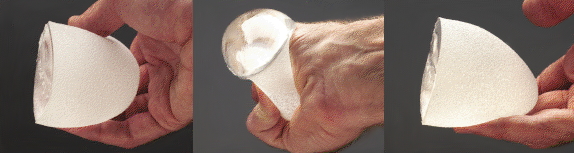
Pictured above are a silicone filled breast implant (left) and saline filled breast implant (right)
So which filler is better Silicone or Saline?
That has been the question since the introduction of the modern breast implants in the 1960′s. All the latest breast implants are made with a silicone shell. The difference is what is placed inside the shell to give the desired boost in breast volume.
The first breast implants were developed in 1962 by two Texas plastic surgeons Thomas Cronin and Frank Gerow with Dow Corning. These were smooth tear dropped shaped silicone implants filled with a cohesive silicone gel. They had a Dacron patch on the back to fix the orientation. This was necessary because they were smooth and could spin, thus losing the desired orientation.
Saline filled implants followed a few years later. A French plastic surgeon, Henri Arion, was the first to use them. He was trying to make an implant that could be placed through a smaller incision. Unlike silicone breast implants which are pre-filled, saline filled breast implants are filled after insertion. The shell can be inserted through a smaller opening without the risk of damaging the implant. A filling tube is left attached to add the desired volume. A valve built into the implant allows the tube to be removed without the saline leaking.
Since the mid sixties little has changed. The shells are more durable and less leaky. Texturing was added, eliminating the need for the Dacron patch for shaped implants. The cohesiveness of the silicone gel has been modified. The implants have received ongoing FDA approval and remain safe and effective for augmenting the breast.
In my Walnut Creek breast augmentation practice I am often asked which is better – saline or silicone gel? If there was a clear advantage then in a free society the better implant would be used more frequently. In the case of breast implants, even with the recent silicone gel breast implant controversies the use is about 50:50 with the edge going to saline.
In other words, about half the San Francisco breast augmentations patients are choosing saline and half are choosing silicone gel breast implants. This is because both implants have advantages and disadvantages. I go into detail about saline breast implants vs silicone gel breast implants on DrMele.com, but here are the top five advantages and disadvantages of saline and silicone gel filled breast implants.
Saline Breast implants
Advantages
- Peace of mind for those who are unsure of silicone gel
- Leaks are easily detactable
- Increased projection when desired
- For purely cosmetic breast augmentation can be used at age 18
- Slightly lower capsular contracture rate
Disadvantages
- Higher risk of rippling
- More easily palpable (feels less natural in most cases)
- Increased projection when not desired
- Stiffer result
- Slightly higher leakage rate
Silicone Gel Breast Implants
Advantages
- Softer more natural feel
- Lower risk of rippling
- Decreased projection when desired
- Moves more like a natural breast
- More profiles (shapes) available
Disadvantages
- Leaks are harder to detect
- Decreased projection when desired
- Slightly higher capsular contracture rates
- Body makes scar in response to a leak
- For purely cosmetic breast augmentation can be used at age 22 or older
There are other aspects to consider in specific situations so it is important to discuss these differences with your Board Certified Plastic Surgeon during your initial consultation. Board certification can be checked easily on-line for free on the American Board of Medical Subspecialties site. Also all members of the American Society for Aesthetic Plastic Surgery (ASAPS) and the American Society of Plastic Surgeons (ASPS) are Certified by the American Board of Plastic Surgery.
These are the premier surgical societies for plastic surgery in the United States and I am proud to be an Active Member of both ASAPS and ASPS. I also have Certified and maintain Board Certification with the American Board of Plastic Surgery and with the American Board of Surgery. When I add a post about how to choose a plastic surgeon, I will add the link here, but I consider Board Certification, and Membership in the ASAPS and ASPS three of the most important prerequisites. It is also a good idea to check you Plastic Surgeon’s standing with your state’s medical board. Here is the link for the physician license lookup for the Medical Board of California.
Posted in Breast Augmentation, Breast Implant Options, Breast Implant Revision Surgery, Capsular Contracture, Home | 2 Comments »
July 16th, 2009 Dr. Mele
If you are considering breast augmentation, size matters. Every day in my Walnut Creek cosmetic plastic surgery practice I get asked. “What breast implant volume is right for me?” While it’s a simple questions, there is no simple answer. The correct answer comes from a thoughtful discussion of goals, an objective measurement of the body and a dash of art.
Factors to consider before breast augmentation are: desired breast size, location of scar, location of implant, type of implant, the chest wall anatomy and of course the natural breast tissue, Additional information can also be found on DrMele.com. A Board Certified Plastic Surgeon can help you with the options. This blog post concentrates on the most subjective of these aspects, the size.
There is no textbook answer when it comes to choosing breast size. There are formulas and graphs of breast volumes and dimensions; however, there is no table which translates your current dimensions and desired size into the “correct” implant. Certain rules of thumb do apply, and these can guide the selection of an appropriate implant.
A wise family practice doctor once told me, “If you listen to your patient they will tell you what is wrong.” It may seem too simple, but the most import question I can ask if you are considering breast enlargement is, “What size would you like to be?” By carefully listening the the answer I can learn the range of results desired. Most patients are looking to increase their bust one or two cups sizes. Some are seeking to restore volume lost during pregnancy or weight loss. Others are seeking what nature has not provided. What ever your motivation, it is important to think about the desired size and be honest with your response.
Trial the size. Play with it. Go bigger. Go smaller. Get a bra that is the desired cup size and try it on. Pad it out and wear it. Get used to the size. See what clothing works best. In this way you will learn what truely makes sense for you.
I encourage you to then bring the result with you to your consultation appointment. If you are using a Ziplock® full of rice to stuff your goal bra, bring it in. If you see a picture of a bust that looks good to you, bring it in. If you see before and after pictures that apply, bring them in.
Most my patients are looking for a proportionate result. Something that matches their body — often plus but occasionally minus a little bit. It is important that you are comfortable with the size, because this a a big step towards the ultimate goal, which is for you to be comfortable with the result of your breast augmentation. A little homework can really help get you where you want to be.
Posted in Breast Augmentation, Breast Implant Options, Breast Implant Revision Surgery, Home | 1 Comment »