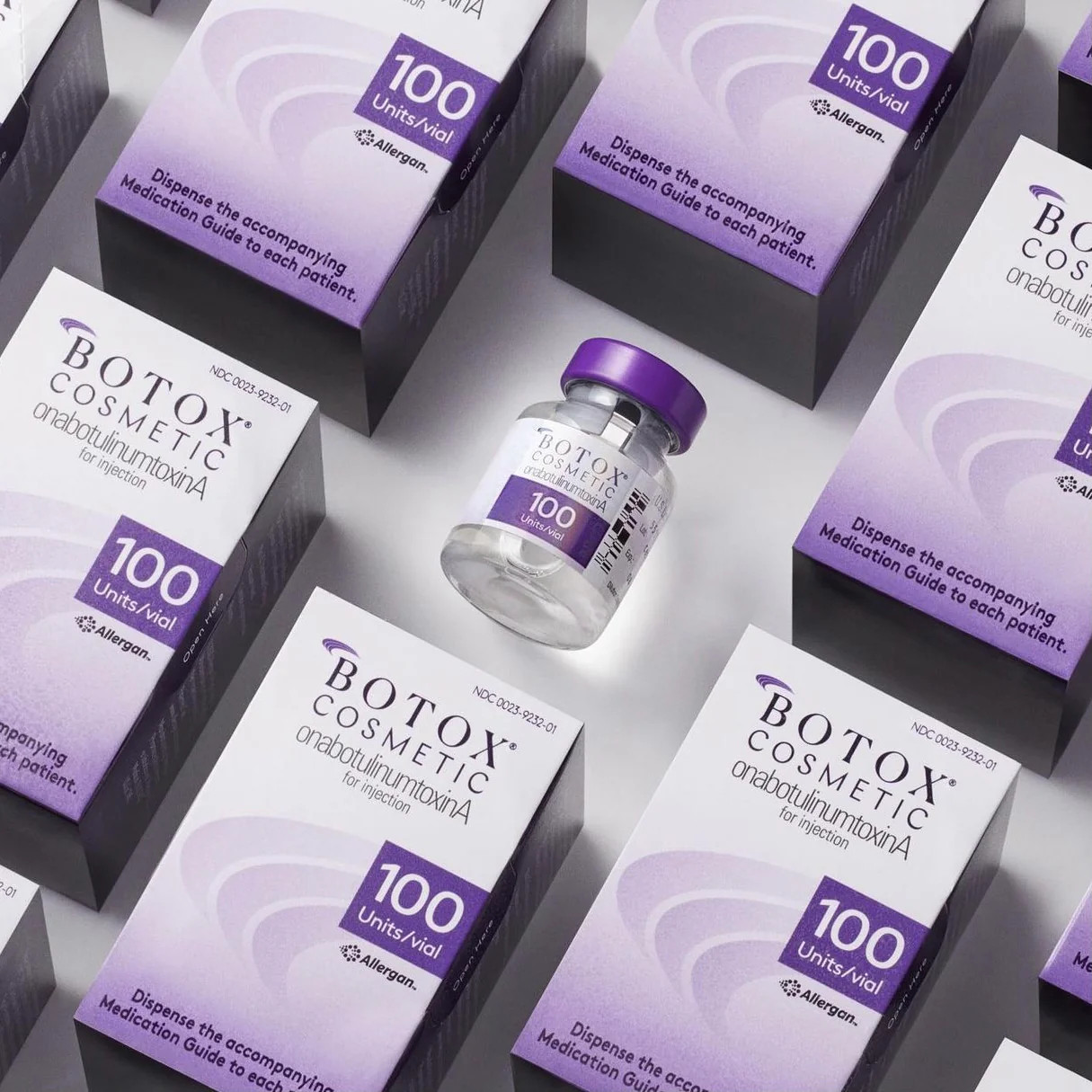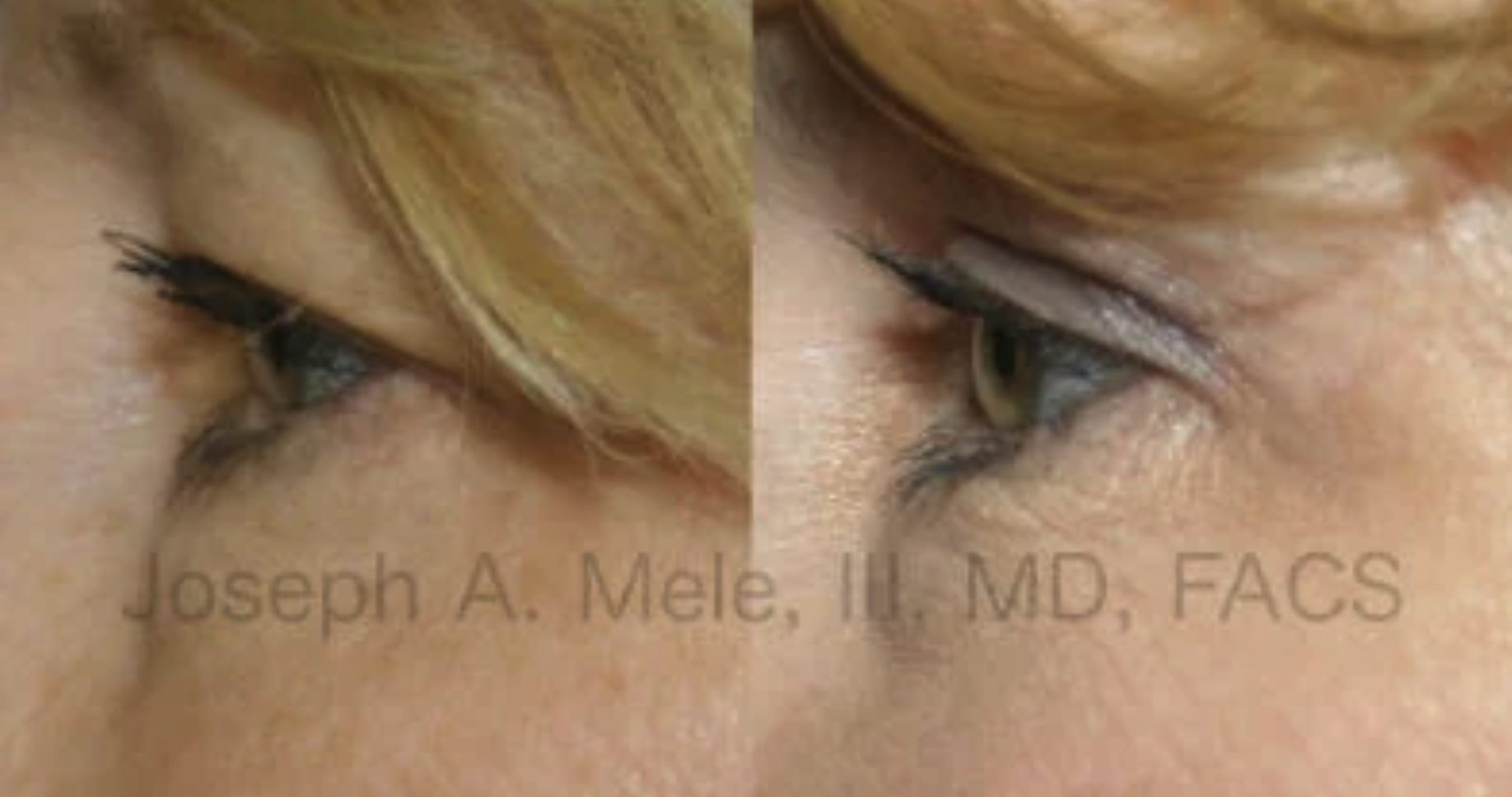
Wrinkle correction used to mean either small improvements with creams or major improvements with surgery. The ground betwen is now covered with the introduction of wrinkle fillers, like Restylane, Juvederm, Perlane and Radiesse, and wrinkle relaxers, like Botox, Dysport and Xeomin.
San Francisco Bay Area – Leaders in Wrinkle Reduction
San Francisco Bay Area Plastic Surgery patients have always been at the forefront of facial wrinkle correction with fillers. It began in the 70′s with the local development of Collagen, and carries on today with its replacement, hyaluronic acid or HA.
Like collagen, HA is a normal component of the skin, and is also found in our joints. HA dermal fillers are sold under many brands names, with the most popular being Restylane, Juvederm and Perlane. These clear gels allow for the correction of moderate to deep facial rhytids (lines) with minimal down time and quick improvement.
Wrinkle Relaxers – Botox, Dysport & Xeomin
Botulinum toxins have been used for years for the treatment of blepharospasm, a disabling chronic spasm of the muscles around the eyes causing functional blindness. For many years it was the plastic surgeons “secret” weapon, and used off-label, but a few years ago Allergan received approval for a new indication – the cosmetic treatment of frown lines. BOTOX Cosmetic was born. Others have followed with similar approval and results including Dysport and Xeomin.
Facial Wrinkle Correction Video
Today’s video is from a recent appearance on KRON‘s Body Beautiful during which I discuss how to use minimally invasive procedures to achieve maximum results. The discussion includes the use of fillers like Restylane, Juvederm, Perlane and Radiesse, and wrinkle relaxers, like Botox, Dysport and Xeomin. The (415) number in this video was for viewers to call during the live broadcast. If you have questions about dermal fillers or botox, give us a call at (925) 943-6353.
This Facial Wrinkle Correction Video includes:
Liquid Facelifts
Freshening up for special occasions
Dermal fillers
Restylane
Juvederm
Perlane
Radiesse
Neuromodulators
BOTOX Cosmetic
Dyport
Xeomin
The best areas to treat with fillers
The best areas to treat with neuromodulators
Who is a good candidate for wrinkle reduction treatments?
As a Board Certified Plastic Surgeon in private practice in the San Francisco Bay Area city of Walnut Creek, California, for almost 15 years, the development of these injectable therapies has revolutionized the way facial rejuvenation is approached. While no substitute for real plastic surgery, they allow for real improvement in appearance of facial lines and wrinkles, in ways that were just not possible before.
More Wrinkle Correction Information
Information on facial wrinkle reduction is available in English and Español. Please follow the links below:
It made headlines in 2004 when New Jersey, in a misguided effort to raise state taxes, levied a 6% excise tax on Cosmetic Surgery. Now the nip-tuck tax is getting the axe.
Read My Lips … No Cosmetic Taxes
Today, New Jersey Governor Chris Christie signed legislation calling for the elimination of the state’s 6 percent tax on cosmetic surgery procedures. Medical procedures, like food, have always been tax free, but in 2004, New Jersey enacted the New Jersey Cosmetic Medical Procedures Gross Receipts Tax. A 6% gross receipts tax was required on all cosmetic surgery, hair transplants, cosmetic injections, cosmetic soft tissue fillers, dermabrasion and chemical peels, laser hair removal, laser skin resurfacing, laser treatment of leg veins, sclerotherapy, and cosmetic dentistry. All providers were required to register, report gross receipts and pay the tax quarterly.
This type of tax is called an excise tax. Excise taxes are taxes paid when purchases are made on a specific good. Excise taxes are often included in the price of the product, such as gasoline, alcohol and tobacco. There are also excise taxes on certain activities, such as taxes on wagering or taxes on highway usage by trucks.
Inefficient Taxation
Excise taxes are indirect, because the government does not collect the tax. Instead, and intermediary, like the producer or the merchant, is charged and they in turn pay the government. These types of taxes are inefficient and costly to regulate, and this is likely the reason the tax is being withdrawn. In the case of New Jersey, the annual tax collected was half of what was expected, about 10 million dollars. Furthermore, this was more than offset by an annual loss to the state of about 34 million dollars. This, among other facts, lead Joseph Cryan, the sponsor of the 2004 bill, to lead the repeal.
Who Decides What is Cosmetic Surgery?
There is not always a clear division between cosmetic and reconstructive surgery, and this makes this type of tax arbitrary and difficult to administer. The decision of medical necessity was left to those collecting the tax. This led to the taxation of cosmetic surgeries like those used to improve appearance after disfiguring accidents, port wine stain removal and even keloid scar removal.
A Tax on the Middle Class
With cosmetic procedures becoming more acceptable, it is no longer the exclusive realm of the rich and famous. Research by the American Society of Plastic Surgery found that 71 percent of plastic surgeries were for individuals earning less than $60,000 a year; moreover, only 10 percent of respondents reported household income over $90,000.
A Tax on Women
Research from the American Society for Dermatologic Surgery finds that 83 percent of its members’ minimally invasive cosmetic medical procedure patients are women. The percentage of women accounting for cosmetic surgery procedures approaches 90% in the yearly surgical statistics published by the American Society of Plastic Surgery.
Connecticut’s Cosmetic Taxes
Six months ago, Connecticut passed a 6.35% sales tax on all cosmetic medical procedures. Time will tell if the state suffers the same fate as New Jersey. It seems likely. With Connecticut being a small state, it is estimated that as many as half of Connecticut’s cosmetic patients will seek their care out of state to avoid the tax. This will have a significant negative impact on the state’s corporate tax revenue.
California’s Cosmetic Taxes
California considered a cosmetic tax a few years back, but with a greater appreciation of the complexities involved, the bill was withdrawn and exchanged for a 10% tax on tanning salons. This tax revenue should be reduced a little more this year thanks to a bill signed by Governor Jerry Brown that went into effect on Jan. 1, that bans indoor tanning for anyone under 18.
Breast Augmentation with Breast Implants remains one of the most popular cosmetic plastic surgery procedures in the San Francisco Bay Area, but breast enhancement comes in all shapes and sizes. As a Board Certified Plastic Surgeon in the East San Francisco Bay Area City of Walnut Creek, a large part of my private practice is dedicated to the numerous aspects of breast enhancement, including:
The simplest way to decide what to do to achieve the optimal results in Breast Enhancement Surgery is to independently evaluate what needs to be done to the size of the breast and what needs to be done to the shape of the breast. While intimately related, size and shape often need to be addressed separately.
The Best Breast Size
The best size for your breasts depends on you. The best breast size will vary, and depends on the size of your body (preoperative breast size, the dimensions of the chest wall, height, weight); your level of activity (couch potato, gym enthusiast, serious athlete, Olympian); and most importantly, your comfort level with your desired cup size. This is a simplification, but a good sampling of what I am considering during every breast enhancement consultation. Whether increasing the size of the breasts with breast augmentation or decreasing the size of the breast with Breast Reduction, there is a range of aesthetic outcomes determined by physical parameters. In the vast majority of cases, this range includes what my patient has pictured in her own mind. On the other hand, the imagination has no bounds, and occasionally it outstrips what is possible.
The Best Breast Shape
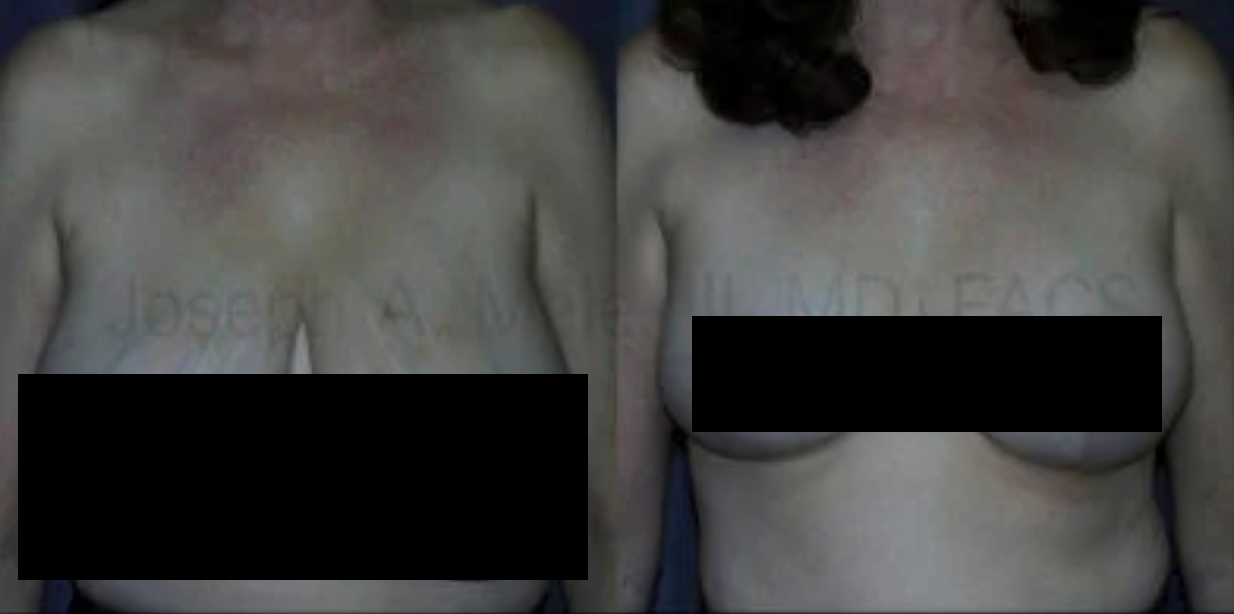
The ideal breast is perky, with the nipple centered over the most projecting aspect of the breast. Changes in shape solely due to absent or lost volume, like that seen after pregnancy or weight loss, can often be improved with breast implants alone. Changes in shape due to increasing breast volume, whether due to genetics, pregnancy or weight gain, are addressed with breast reduction.
It may seem like breast reduction is the opposite of Breast Augmentation. If you are considering only breast size, it is. However, when we consider breast shape, just removing volume is not sufficient. The result would be a deflated, saggy breast. Breast reduction surgery includes a breast lift as an integral part of the procedure.
The Best Breast Lift
Breast Lifts, like breasts themselves, come in different sizes. Small breast lifts are effective for small amounts of sagging, while big breast lifts are necessary to correct large amounts of sagging. The topic is too large to cover in a paragraph, or even a web page, but more general information is available on San Francisco Breast.
The important part about breast lifts is that they help enhance the shape of the breast. Whether you are born with tubular breasts, have breast asymmetry or your breasts are ptotic (saggy), a breast lift can reshape the breasts into a more attractive form. Unlike breast augmentation, which simply magnifies the existing shape of the breast, a breast lift can remove excess skin and elevate the nipple’s position on the breast mound.
Breast Enhancement Consultations
If you are considering breast augmentation, breast lift or breast reduction surgery, be certain to find a qualified Board Certified Plastic Surgeon. It is important to remember that while there may be several ways to accomplish your desired goals, the method is not as important as the person you choose to do your surgery. Choose a Board Certified Plastic Surgeon, who is an active member of the American Society of Plastic Surgeons (ASPS). If you are considering cosmetic plastic surgery, members of the American Society for Aesthetic Plastic Surgery (ASAPS) are ASPS members who have shown a special interest in the cosmetic side of plastic surgery. For those truly dedicated to Cosmetic Plastic Surgery, the ASAPS also offers a Certificate of Advanced Education in Cosmetic Surgery. Mine is pictured below, as evidence that I am dedicated to providing you with the best that Cosmetic Plastic Surgery has to offer.
Dr. Mele's Certificate of Advanced Education in Cosmetic Surgery
If you are in the Greater San Francisco Bay Area, and would like to take the next step and schedule a personalized consultation appointment, please give us a call at (925) 943-6353, or use the contact form to the left.
The Tummy Tuck remains one of the most requested cosmetic plastic surgery procedures in my San Francisco Bay Area plastic surgery office. Walnut Creek is a growing community with excellent schools. It’s a great area for raising children, so I see lots of mommies from Walnut Creek and the surrounding areas.
Tummy Tuck, Abdominoplasty, Panniculectomy, it doesn't matter what you want to call it, the result is a flatter, firmer stomach.
What Does a Tummy Tuck (Abdominoplasty) Do?
Tummy tucks are designed to fix abdominal wall laxity. Abdominoplasty can repair stretched abdominal wall muscles. The tummy tuck removes the excess skin and fat that accumulates on the lower belly. This part of the abdominoplasty is sometimes called a Panniculectomy. Whatever the name, the result is a firmer, flatter abdominal wall.
Tummy Tuck Timing – When to Get Your Abdominoplasty
There are several reasons for abdominal wall laxity, but having children tops the list. Pregnancy stretches the abdominal muscles and skin. Often the stretching is irreversible, and the skin and muscle remain loose, despite weight loss and working out. It may take several months for your abdomen to recover from child birth. Normally, maximum shrinkage is seen by your newborns first birthday. The best time to get a tummy tuck is after your are done having children. For more information about abdominoplasty, click on San Francisco Tummy Tucks
Another common reason for a tummy tuck is a history of being overweight. Weight gain, like pregnancy, stretches the abdominal wall. When the weight is lost, loose skin and stretched muscle may continue to be a problem. This occurs in more areas than the abdomen. Loose skin may affect the breasts, face, arms and thighs too. The best time to have a tummy tuck after Weight Loss, is when you have reached your goal weight. If you have had bariatric surgery for weight loss, it is recommended to wait one year after your weight loss surgery. This allows you to reach a stable weight, and gives your body time to adjust to its new physiology. For more information on plastic surgery that can help improve your appearance after weight loss, click on Post-Bariatric Plastic Surgery.
Mommy Makeovers
The Mommy Makeover is a combination of Tummy Tuck and Breast Enhancement. Since pregnancy affects the breast and abdomen, the mommy makeover is one of the most common combination surgeries I perform. Most commonly, Breast Augmentation, with or without a Breast Lift, is added to the tummy tuck. But sometimes, just a breast lift (mastopexy) or even breast reduction is needed. A mommy makeover may involve a smaller abdominal procedure when appropriate, so liposuction and mini tummy tucks (mini abdominoplasty) are always considered. For more information on Mommy Makeovers, click on San Francisco Mommy Makeover.
If you would like more information about the mommy makeover, tummy tuck, mini tummy tuck, liposuction, Breast Augmentation, breast lift, breast reduction or post-bariatric plastic surgery, make an appointment for a personal, private plastic surgery consultation. Give us a call at (925) 943-6353, or use the contact form on this page.
The Liquid Facelift - Wrinkle Fillers: Restylane, Perlane, Juvederm, Radiesse; and Neuromodulators: BOTOX Cosmetic, Dysport and Xeomin.
The Liquid Facelift is a quick way to reduce the signs of facial aging. Technically not a facelift, the term liquid facelift refers to use of volume restoring injectables like Restylane, Perlane, Juvederm and Radiesse. These products can fill unwanted wrinkles and enhance facial features that are desired.
Filling Unwanted Wrinkles
Dermal Fillers are a class of pharmaceuticals designed to plump sagging skin. Unwanted facial wrinkles, like those found around the mouth, can be carefully filled to significantly reduce their appearance. The treatments are performed right in the office, and the downtime is minimal.
Dermal Fillers are administered with a fine needle, and come complete with local anesthetic inside. The most common unwanted side-effects are temporary and include swelling and bruising. Icing after treatments can help reduce both. A few days prior to your treatment, it is important to avoid medication that thins the blood like: aspirin, ibuprofen, naprosyn, vitamin E, fish oil and many natural supplements. This will reduce your risk of bruising. If you are planning to do some wrinkle reduction for a special occasion, do not delay. Ideally you should have the treatment done several weeks in advance. If you bruise, you will have plenty of time to recover, but your results will last for months.
Enhance Facial Features
Sometimes the goal is not to disguise, but to augment. Restylane, Perlane, Juvederm and Radiesse can be used to increase the size of some of the face’s most desirable features. Hyaluronic based fillers like Restylane, Perlane, Juvederm, can be used to enhance the lips. While Radiesse can be used to enhance the cheek bones and chin. If you are considering facial augmentation with cheek or chin implants, dermal fillers can provide a way to try it out on a temporary basis.
Maintaining the Result You Want
If you want to maintain the results, it is necessary to touch up the areas from time to time. For most patients, touch-ups require less volume than the initial treatment. This is because we are adding volume before the previous correction has completely resorbed, and because these product promote your face to produce collagen in the areas of injection. Even after treatment, the face continues to age. Dermal fillers cannot provide permanent results. The amount of wrinkle reduction, and the time it will last for you, may vary.
2011 Holiday Discounts on Selected Dermal Fillers and Neuromodulators
For the month of December several promotional specials are being offered in our San Francisco Bay Area, Walnut Creek plastic surgery office:
Any HA filler, buy two get one free includes: Restylane, Juvederm, and Perlane. All product must be administered by December 31, 2011.
Up to $65 rebate with each syringe purchased. (May be combined with above!)
Perlane – $65 rebate on each 1.0 cc syringe (maximum of 6 cc’s)
Restylane – $50 rebate on each 1.0 cc syringe (minimum of 2 cc’s & maximum of 6 cc’s)
$50 rebate on BOTOX Cosmetic and Dysport treatments of $200 or more.
Liquid Facelift Appointments
If you are interested in learning more about the liquid facelift and facial wrinkle fillers, or you want to know more about neuromodulators like Botox, Dysport and Xeomin, please give our San Francisco Bay Area Plastic Surgery office a call at (925) 943-6353, and schedule a personal consultation appointment. More information is also available on our web site under face: facial wrinkles (minimally invasive) or on DrMele.com under skin.
As 2011 draws to a close, so do the first 50 years of breast implants. In 1961, American plastic surgeons Thomas Cronin and Frank Gerow, and the Dow Corning Corporation, developed the first silicone breast prosthesis, filled with silicone gel. In 1962, Timmie Jean Lindsey became the first woman to receive silicone breast implants.
Breast Implants Have Come a Long Way in 50 Years
Saline Breast Implants
You might be surprised to find out that saline filled implants did not appear until the French company, Laboratoires Arion, began manufacturing them in 1964. Filled with 0.9% saline, water that is the same saltiness as your body, these implants are filled in the operating room after insertion, allowing for a smaller incision compared to the incision needed for pre-filled silicone gel breast implants. While early models were fragile, contemporary saline breast implants have a stronger silicone elastomer shell. These implants became the most frequently used in the US during the 1990′s, when silicone gel filled breast implants where restricted to reconstructive use only.
Silicone Breast Implants
While saline filled breast implants have changed relatively little over their lifetime, silicone filled breast implants have gone through five distinct generations.
First Generation Silicone Breast Implants
The first generation was tear-dropped shaped. Yes, that’s correct, the first breast implants were silicone filled and tear dropped shaped. These implants have a smooth surface, so to keep them from rotating, a Dacron patch was attached to the back. It had the texture of the soft side of Velco, and allowed the body a point of attachment to prevent rotation. The shell was thick, as was the gel inside. This helped prevent deflation and tearing at the point of fixation. The thicker gel also made it easier to take care of any leaks, as the thicker the gel, the less it migrates.
Second Generation Silicone Breast Implants
In the 1970′s, in an attempt to improve the look and feel after breast augmentation, the shell and the gel inside the implant was made thinner. Unfortunately, new technology doesn’t always mean improved. With these changes came more complications. The thinner shells broke more frequently and the thinner gel could migrate farther after a leak. Even without a leak, silicone gel could “bleed” through the intact shell like Helium through a balloon. This resulted in a class action lawsuit against Dow Corning and other breast implant manufacturers. Other “improvements” which arrived in the 70′s were polyurethane foam coating for the implant shell and double lumen implants.
Polyurethane foam coating reduced the incidence of capsular contracture, but a concern that a breakdown product of the coating (TDA) might cause cancer stopped sales. The FDA later stated the risk was infinitesimally small, but no breast implant manufacturer has sought FDA approval for sale in the US. These implants remain available in Europe and South America.
Double lumen implants have two sections, an inner chamber pre-filled with silicone gel and an outer chamber that can be filled with a varying amount of saline. Double lumen implants were used mostly for breast reconstruction. Unfortunately, the increased complexity of dual chamber breast implants led to increased device failure, and eventual withdrawal from the market.
Third Generation Silicone Breast Implants
Around 1985, breast implants where manufactured with elastomer coated shells. This significantly reduced the number of implant failures and also the problem with gel “bleed”. Since that time the rate of capsular contracture has dropped. Coincidence? Maybe. At the same time the changes in the shell were made, additional improvements in manufacturing and quality control also occurred.
Fourth Generation Silicone Breast Implants
Fourth generation implants are defined by a return to a thicker, cohesive silicone gel filler. Back to the future is the theme for the third and fourth generation breast implants. Like the original breast implants, with thicker tougher shells and thicker less runny filler, the safety and predictability of fourth generation, cohesive gel breast implants has improved. Fourth generation silicone gel filled implants are currently the only FDA approved silicone breast implants currently available in the US.
Fifth Generation Silicone Breast Implants
The next incarnation of silicone breast implants are the gummi-bears. They are filled with a soft, semi-solid silicone with the consistency of gummi-bear candy. They are soft enough to give when compressed, but firm enough to return to their original shape when the pressure is released. Since they are essentially a solid, these implants do not experience problems with leakage or gel migration. Most are made with an anatomical shape. To prevent rotation, the implants surface is textured to allow the capsule to attach to the shell. This works most the time, but implant malposition from rotation can be a problem (not seen with smooth round implants). Overall, the form-stable implants are more firm, but still soft. Somewhat surprisingly, they can still ripple (wrinkle).
Allergan Natrelle Style 410 (gummi-bear) breast implants come in 12 shapes and many sizes.
Since they are solid, gummi-bear breast implants require a larger incision for placement. This can be a deterrent when a simple breast augmentation is being considered. The mastectomy incision used for breast reconstruction and the breast lift incisions allow for the insertion of solid implants without additional incision length.
Soft-solid breast implants are figuratively sitting on the shelf at the FDA. Despite some advantages, the approval process has ground to halt over the last several years. The FDA has all the information it has requested, and no new requests for information are forthcoming. Despite this, no vote has been taken. It is increasingly unclear to industry, plastic surgeons and patients alike what the reason is. These fifth generation breast implants have a good record in Europe, where they have been used since 1995, and they have been available since 2000 to our northern neighbor, Canada. Dear FDA, how about approving silicone implants that can’t leak this year?
Earlier this year, the San Francisco Plastic Surgery Blog reported an extremely unusual, but possible association between breast implants and a rare form of Non-Hodgkin’s Lymphoma named Anaplastic Large Cell Lymphoma or ALCL. The tumor is extremely rare. Of the 5-10 million women with breast implants, fewer than 100 cases have been identified. Literature reviews have identified 34 unique cases, and as many as 75 cases may have been identified worldwide. Because of the rare nature of the tumor, it is not clear what the association between ALCL and breast implant is.
Anaplastic Large Cell Lymphoma
Demographics of all Known Reported Cases
Demographics of the cases are as follows:
Age: Median 51 years old, Range 28-87 years old
Implant Type: Silicone 24, Saline 7, Not specified 3
Time from implant to ALCL diagnosis: Median 8 years, Range 1-23 years
Reason for Breast Implant: Reconstruction 11, Cosmetic 19, Not Specified 4
The American Society of Plastic Surgery (ASPS) and the American Society for Aesthetic Plastic Surgery (ASAPS) have partnered with other international plastic surgery societies like the International Society for Aesthetic Plastic Surgery (ISAPS), to provide an organized way to report, and characterize the diagnosis and treatment of ALCL since its discovery.
ALCL is Not Breast Cancer
Breast cancer dwarfs ALCL in both numbers of cases and lethality. Breast cancer has an incidence of 1 in 9 women. This means for a group of nine randomly selected women, one woman would be expected to develop breast cancer in her lifetime. The actual breast cancer rate is a little higher, and this is why routine mammograms after age 40 are so important for early detection. The risk of getting breast cancer is about 700 times higher than the risk of getting struck by lightning.
No Increased Rate of Breast Cancer for Women with Breast Implants
While the association between ALCL and breast implants is still being worked out, there is no increased risk of breast cancer in women with breast implants. In fact, the results of more than seven long-term follow-up studies show that women with implants have a lower rate of breast cancer than is expected in the general population, and higher survival rates, perhaps due to enhanced breast awareness and early detection.
Looks Like ALCL, but Doesn’t Act Like ALCL
ALCL associated with breast implants is not as aggressive as other types of ALCL. It acts more like cutaneous lymphomas than the more systemic form of ALCL. ALCL associated with breast implants has been characterized as a rarely occurring, low-grade lymphoma, that seems to grow slowly and locally. While the risk of breast cancer is 1 in 9, the risk of ALCL is less than 1 in 300,000, and most resources quote ranges of 1 in 500,000 to 1 in a million. The risk of getting ALCL associated with breast implants is 50 to 150 times lower than the risk of getting stuck by lightning.
Last week, news of the first reported death from ALCL associated with breast implants hit the French news. The details are not known at this time, and unfortunately, the case is further complicated by the use of fraudulent breast implants that were filled with industrial grade silicone instead of the required medical grade silicone. The implants were manufactured by Poly Implant Prothèses (PIP) at La Seybe-sur-Mer in the Var. The company was forced to close in March of 2010, after it was determined that the implants were filled with non-medical grade silicone gel. These implants have more gel bleed, and are ten times more likely to break. Even though the company was forced to withdraw its products from the market when the discovery was made, thousands of French women are known to still have the defective implants. These implants have never been FDA approved in the US. Only Allergan’s Natrelle and Mentor’s Memory Gel breast implants are currently FDA approved.
The Latest ALCL News
The best information currently available on the topic is a review of opinions by a panel of experts from RAND Health, UCLA’s department of medicine’s division of hematology-oncology, the University of Michigan Health System’s department of surgery’s division of plastic surgery and others. The article has been accepted by ASPS’s Plastic and Reconstructive Surgery Journal, but has not yet been published. The results are based on the small number of cases known to exist, represent the opinions of the seven panel members and are not based on prospective randomized evidence. A copy of the article can be found here. The article’s disclaimer reads: Support for this study was provided by the Plastic Surgery Educational Foundation (PSEF) and the Aesthetic Surgery Education and Research Foundation (ASERF) through unrestricted grants from Allergan, L.L.C.; Mentor Worldwide, L.L.C.; and Sientra, Inc. Neither the study sponsors nor the listed companies had roles in the design and conduct of the study; collection, management, analysis, and interpretation of the data; and preparation, review, or approval of the manuscript.
As more information becomes available, I will post more updates. It is important to remember that this is an extremely rare problem. It is a sensational story though, so it is sure to hit the mainstream media soon. The ASPS, ASAPS and ISAPS are actively seeking all known cases of ALCL found around breast implants to determine what, if any association exists, if there is a causal relationship and how best to treat the disease when discovered. If you have, or know someone who has, ALCL associated with breast implants, please contact one of these plastic surgery societies and the FDA.
More Information About ALCL
A current summery of ALCL cases appeared in the June issue of Plastic and Reconstructive Surgery. The abstract can be read here.
The FDA has an ALCL and breast implants FAQ page here. Moreover, all confirmed cases of ALCL in women with breast implants should be reported to Medwatch, the FDA’s safety information and adverse event reporting program. Report online here or by calling 1-800-332-1088.
How to Detect ALCL Associated with Breast Implants
The chances of getting breast implant associated ALCL are extremely remote. I have thousands of patients with breast implants, and chances are that I will go my entire career without seeing one case. This, however, will not keep me from looking for it.
Most cases of ALCL in patients with breast implants have presented with a seroma (fluid collection) around the breast implant more than six months after the initial surgery. To try and detect ALCL as soon as possible, experts are recommending aspirating (draining) seromas around breast implants when they occur later than six months after breast augmentation or breast augmentation revision surgery, and also sending the fluid for cytologic analysis to check for abnormal cells. If you feel you have a problem with your breast implants, do not delay; seek the advice of a Board Certified Plastic Surgeon in your area.
This month, Sparkah.com has named the Top 100 Cosmetic Surgeons / Plastic Surgeons in San Francisco of 2012 and Beyond, and I am happy to share with you my inclusion in the top 10. The San Francisco Bay Area is home to some of the best trained plastic surgeons in the nation, and a big Thank You goes out to all my patients who placed me among the very best, and or course to Sparkah for including my private plastic surgery practice at the top of its list.
It’s certainly not the cheapest place to live, but like plastic surgery, you get what you pay for: great weather, great culture, beautiful scenery and a large variety of what makes life worth living. From beaches to mountains, sports to the arts, there is something for everybody. It’s a great place to live, work and play. I am glad that my Walnut Creek Plastic Surgery practice has been included as a part of what is great in our San Francisco Bay Area neighborhood.
Thank you for the opportunity to continue to contribute. Whether you are looking for facial plastic surgery like a facelift, eyelid lift or rhinoplasty, or body work like a breast augmentation, tummy tuck or liposuction, Joseph A. Mele, III, MD, Inc., will be here for you in 2012 and beyond.
Inclusion in the Top Plastic Surgeons in San Francisco to See In 2012 is based on:
Dermal Filler to Treat Facial Wrinkles - Immediately after Perlane injections to Facial Wrinkles in the Naso-Labial folds with typical post-injection redness and swelling. The redness lasts about 24 hours, and can often be concealed with makeup.
Time flies when you are having fun, and I really enjoy being a Board Certified Plastic Surgeon in the beautiful San Francisco Bay Area. Clear sunny skies the weekend before Thanksgiving, and the rich diversity of the Bay Area’s culture remind me daily that it’s a great place to live, and to practice plastic surgery.
Experienced Hands
I am a board certified surgeon, who after completing my general surgery chief residency, spent three years as a fellow, specializing in plastic surgery right here in San Francisco. As a Board Certified Plastic Surgeon, my practice incorporates a wide variety of plastic and reconstructive surgery, but the majority of my time is spent performing cosmetic plastic surgery in Walnut Creek, San Ramon and Concord, California.
More Than 10,000 Procedures Performed
Time really does fly when you are having fun. A few years ago I performed my 10,000th procedure in private practice. Whether I am performing immediate breast reconstruction in the hospital, complex body shaping procedures after massive weight loss at an accredited surgery center, or a straight forward scar revision in my Walnut Creek plastic surgery office , the goals remain the same: maximum results, minimum recovery and happy patients.
“The noblest art is that of making others happy” – P.T. Barnum
Minimally Invasive Treatments
Sometimes less is all that is needed. A facelift is more than is necessary to correct moderate nasolabial folds (the lines that run from the sides of the nose to the corners of the mouth). As shown in the picture above, we have effective minimally invasive options in the form of dermal fillers like:
Restylane
Juvederm
Perlane
Radiesse
These provide a quick fix with minimal down time. They are called liquid facelifts, but they are not meant to be a substitute for facial plastic surgery. These dermal fillers reduce facial wrinkles in three ways:
Physically filling the wrinkle
Reducing skin folding by thickening the skin
Coercing the body to build collagen
Correction – Right Where You Need It
The beauty of facial fillers is the simplicity with which they work. They do not require an extensive medical work up, and treatments are well tolerated. Brand-name fillers are supplied in pre-filled, single-use syringes that provide a sterile, consistent product. Since Restylane, Juvederm and Perlane are HAs, a normal component of your skin and joints, the risk of allergy is extremely low. They are great products to work with, and they work well, right where I put them.
Experience Counts
Now matter how great the product, the most important factor in having your wrinkles treated, is the person doing the injections. Precise correction is imperative. Enough filler must be used to maximize improvement. Too much will give unnatural results; too little leads to under-corection and minimal results. It is also important to place the dermal fillers smoothly to avoid lumps and bumps.
Injectables, by their very natural, are fluid. Care must be taken in the initial placement, and caution used in the hours after injecting to avoid displacement. Forceful squeezing of Restylane, Juvederm, Perlane of Radiesse can mold the result, for better or for worse. After a few hours, the gel is set, and displacement is unlikely.
Recovery After Injectables
Another attractive feature of injectable fillers is the relatively short recovery period. There may be some initial swelling and redness over the area injected, but this tends to resolve in a day or two. Bruising occurs in 10-15% of injections, and this can take several days to resolve.
Ice and elevation help speed the return to normal activities. It is important to inform your doctor if you are taking any blood thinners, and this includes over the counter pain medications like aspirin, ibuprofen (Motrin, Advil), Aleve, as well as, vitamin and herbal preparations like Vitamin E, Fish Oil, Ginsing, Ginko and many others. It is best to let your doctor know before you show up for your injection to avoid a delay in treatment.
Timing of Treatments
Dermal Fillers (Restylane, Juvederm, Perlane, Radiesse) and Muscle Relaxers (Botox, Dysport, Xeomin) last for months. If you are planning your wrinkle treatments around a specific date, do not procrastinate. Since swelling and bruising can last several days, it is ideal to have the treatments three weeks before your goal date. This provides time for correct, recovery and touch-ups in the event that it is necessary.
Dermal Filler Treatments
Dermal filler treatments are offered and performed every day in my office. For new patients, the procedure can be performed at the time of consultation, as long as there are no contraindications. If you are interested in finding out more about dermal fillers, give us a call at (925) 943-6353 or use the contact form on the left.
Also ask about Botox and Dysport. Since the Botox and Dysport not packaged for individual use, treatments are grouped around the first and third Wednesday of each month, or by special arrangement.
Tummy Tuck (Abdominoplasty) can remove excess skin and fat from your belly. It is not weight loss surgery, but a body shaping procedure, designed to optimize your shape.
Tummy Tuck Before and After Pictures (Abdominoplasty)
Tummy Tuck Before and After - Left: Before Abdominoplasty with loose skin, muscle laxity and lower abdominal fat. Right: After Abdominoplasty with tight skin, firm muscles and removal of disproportionate fat. Liposuction (Liposculpture) was also performed on the sides
Sometimes less is more
I am all for using the smallest hammer to get the job done. Sometimes a tummy tuck is more surgery than is needed to get a great result. Sometimes less, a Mini-Tummy-Tuck or Liposuction, is sufficient.
Abdominoplasty and Liposuction are not interchangeable. While liposuction can remove disproportionate fat, a tummy tuck does much more. A tummy tuck can correct loose skin and lax muscle. It is not just a matter of getting better results.
Sometimes Less is Worse
Doing liposuction instead of a tummy tuck is often not a decision between good and better. Liposuction performed on an area with loose skin may make you look worse. Liposuction, even laser liposuction and ultrasonic liposuction, do not shrink skin well enough to convert tummy tuck candidates into liposuction candidates. Liposuction under loose skin can be expected to remove the skin’s support causing additional folding and visible irregularities, lumps and indentations, in the skin.
Remove loose skin from below and above the belly button
Reduce the superficial abdominal wall fat that accumulates on the lower belly
Why do Women and Men have Adbominoplasty?
Common reasons for Abdominoplasty are:
Pregnancy
Fluctuations in Weight
After bariatric (weight-loss) surgery
Stretch marks of the lower abdomen
Aging
Heredity
Previous abdominal surgery
Who is a Good Candidate for a Tummy Tuck?
Abdominoplasty may be a good choice if:
You are healthy.
Your weight is stable.
You have realistic expectations.
You do not smoke.
When not to have Abdominoplasty
Most Board Certified Plastic Surgeons will advice postponing your Tummy Tuck if:
You are trying to become pregnant.
You are planning significant weight loss.
You are continuing to gain weight.
You have uncontrolled medical problems.
You continue to smoke.
Pregnancy and large fluctuations in weight will diminish and potentially undo the benefits of abdominoplasty. Uncontrolled medical problems should always be addressed, but uncontrolled medical problems can significantly increase the risks associated with surgery. Smoking increases the risk of wound healing problems after procedures like tummy tucks, facelifts and breast reduction by 600%. It is best to stop smoking prior to having surgery, and once stopped, why not quit? It will improve your health and appearance.
Tummy Tuck Consultation
If you are considering rejuvenating your belly, make a consultation appointment with a Board Certified Plastic Surgeon. There is no better way to get the specific information you need to make an informed decision. To schedule a personal plastic surgery consultation with Dr. Mele, send us a request via the contact form to the left, or give us a call at (925) 943-6353.