I’ve written about gene therapy in the past. Two years ago, I posted an article about the first FDA approved therapies to treat sickle cell disease. These therapies are aimed at preventing the severe complications of sickling and work by altering the hemoglobin inside red blood cells. For sickle cell, the therapy is ex vivo, the cells are edited outside the body and then returned.
A lot has happened in the field of gene therapy in the last two years. This year, gene therapy has become more personal, quicker to develop, and it is done in vivo, with the editing infused directly into the patient.
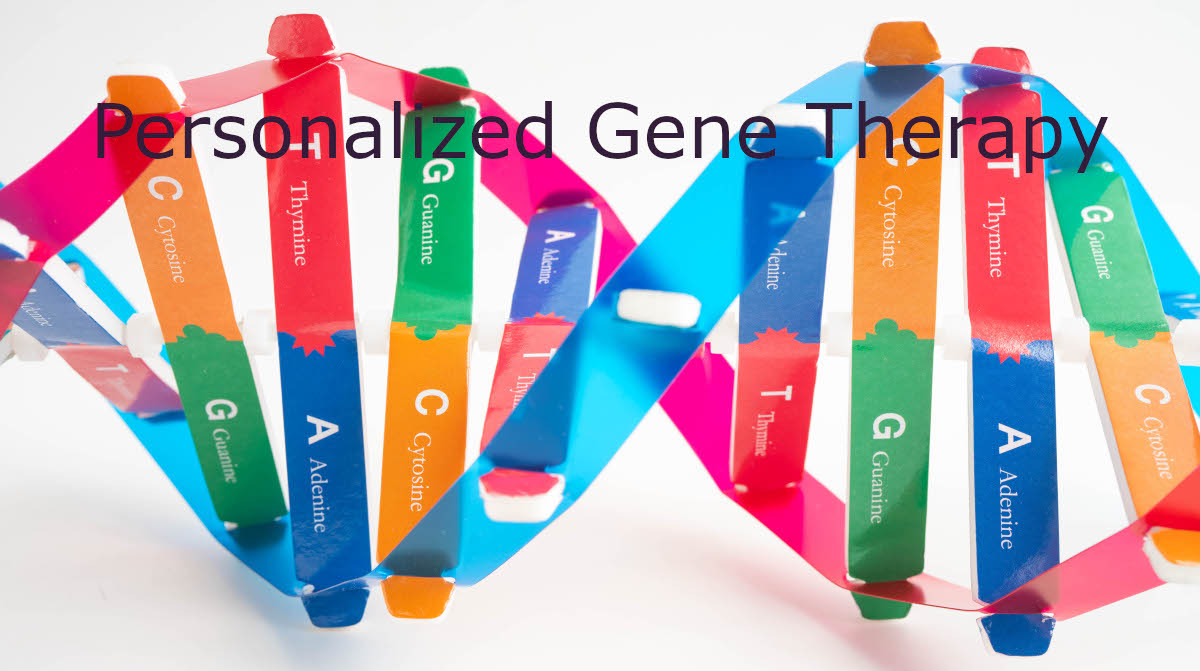
Life saving express personalized gene therapy is now available.
Incurable Disease Cured
Earlier this year, an infant with a previously incurable and deadly genetic defect was cured by personalized gene therapy treatment. The infant was diagnosed with carbamoyl phosphate synthetase 1 (CPS1) deficiency. This enzyme is required to detoxify the byproducts of protein metabolism. Without CPS1, ammonia levels climb causing severe damage to the liver and brain.
Treatment of CPS1 deficiency includes a low protein diet until old enough for a liver transplant. While waiting, however, there is a significant risk of organ failure, brain swelling, irreversible brain damage, coma and death.
CRISPR to the Rescue
A team of researchers at the Children’s Hospital of Philadelphia, the Perelman School of Medicine at the University of Pennsylvania, and with the support of the National Institutes of Health, saw this as an opportunity. Using the CRISPR gene-editing platform, they targeted the specific gene mutation in the baby’s liver cells that led to CPS1 deficiency. This is the first known case of a personalized CRISPR-based medicine administered to a single patient and was carefully designed to target non-reproductive cells so changes would only affect the patient.
What is CRISPR?
CRISPR is a gene editing platform, built on reusable components. This allows for rapid and individualized customization. This type of therapy could lead to the rapid and early treatment of hundreds of rare “incurable” diseases.
According to an article on the NIH website:
- “The child initially received a very low dose of the therapy at six months of age, then a higher dose later. The research team saw signs that the therapy was effective almost from the start. The six-month old began taking in more protein in the diet, and the care team could reduce the medicine needed to keep ammonia levels low in the body. Another telling sign of the child’s improvement to date came after the child caught a cold, and later, had to deal with a gastrointestinal illness. Normally, such infections for a child in this condition could be extremely dangerous, especially with the possibility of ammonia reaching dangerous levels in the brain, but the baby just shrugged the illness off.”
Rapid Response
One of the most amazing aspects of this treatment is the speed with which it was administered. The in vivo CRISPR therapy was developed and delivered in just six months. This opens the door for early intervention for genetic diseases that lead to rapid decline early in life.
CRISPR Plastic Surgery
Currently, genetic therapy is used to correct genetic abnormalities, but one day it may be available for general health maintenance. It seems unlikely that this type of intervention would be used for cosmetic purposes in our lifetime, but options exist for other congenital abnormalities and changes that occur with life.
To schedule a Cosmetic Plastic Surgery Consultation call (925) 943-6353, today.
Previous Post Next Post