• Home
  • Meet Dr. Mele
  • Contact Us
  • Social Media Links

The Prevention and Treatment of Capsular Contracture after Breast Augmentation

Prevention

How can we prevent capsular contracture? There is some evidence that bacteria may play a role in capsular contracture. Proper surgical technique, placement of breast implants behind the muscle, using saline instead of silicone filled implants, minimal handling of the implants, and irrigation of the surgical pocket with antibiotics can minimize the formation of capsular contracture. Postoperative massage may also help prevent contracture formation.

Treatment

How is capsular contracture treated? Many non-operative treatments exist and none are perfect. Massage, ultrasound, vitamin E, antibiotics, steroids and the latest leukotriene inhibitors (Accolate) have been tried with occasional anecdotal improvement.

Breast Augmentation Revision Surgery
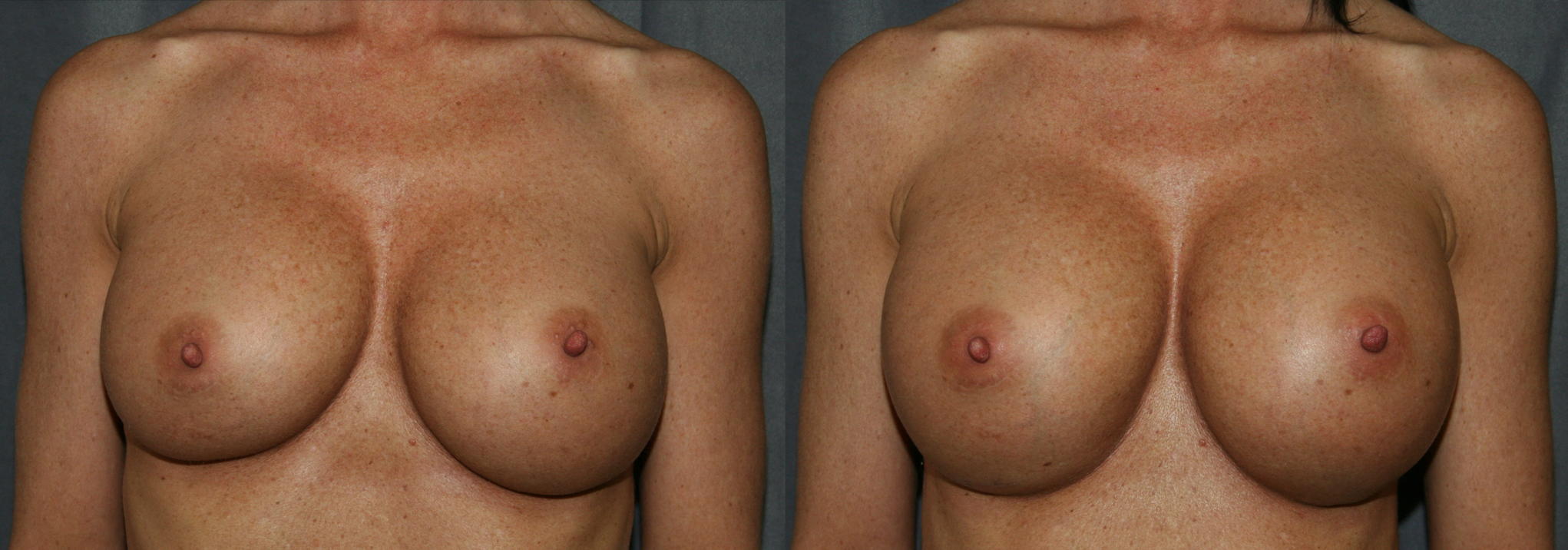
Operative treatments are the most effective, and are usually reserved for Grade III and IV capsules. Open procedures include opening the scar (capsulotomy) or removing part or all of the scar (capsulectomy) to make more room for the implant. Sometimes changing the implant or the location of the implant with respect to the pectoralis muscle is recommended. Before and after pictures and a description of breast augmentation revision surgery can be found in part 1 of this three part mini-series about capsular contracture.

Closed capsulotomies, vigorous manual compression to disrupt the capsule, have fallen out of favor as the procedure can also disrupt (break) the implant. This procedure nullifies the current warranties offered by Allergan and Mentor.

Recurrence

Capsular contracture can recur after release, but my Walnut Creek breast augmentation revision patients are happy to find out that having a previous contracture does not seem to increase the risk of subsequent capsular contracture. The reported rates of capsular contracture range widely from 10% to 50% in some studies. The most common capsular contractures are Grade I and Grade II which do not normally require additional surgery. Grade III and IV are less common and are more commonly treated operatively.

« What is Capsular Contracture?
How to Choose the Correct Breast Implants: Size »

Leave a Reply


  • Follow Dr. Joseph Mele on Facebook Get tweets from Dr. Joseph Mele on Twitter View Dr Joseph Mele's Videos on YouTube
    Subscribe to our RSS Feed.
    Join us on Facebook.
    Receive our Tweets on Twitter.
    Watch the DrMele channel on YouTube.


  • Useful Links

    • Visit Dr. Mele's Main Website
    • Visite el Sitio Principal del Dr. Mele
  • Recent Posts

    • Patient Safety – AB 583 – A Great Bill for You
    • Brachioplasty (Arm Lift) San Francisco
    • One Board Certified Plastic Surgeon
    • International Society for Aesthetic Plastic Surgery (ISAPS) in San Francisco
    • Breast Augmentation and Nipple Piercing
    • Juvederm XC and Vivite Give Away
    • Plastic Surgery Blogs
    • Dr. Mele Receives the 2009 Patients’ Choice Award
    • Rhytidectomy (Facelift) San Francisco – Part 4 of 4
    • Rhytidectomy (Facelift) San Francisco – Part 3 of 4
  • Categories

    • About Dr. Mele (14)
      • Plastic Surgery Societies (13)
    • Areolar Reduction (2)
    • Arm Lift (Brachioplasty) (2)
    • Breast Asymmetry (8)
    • Breast Augmentation (27)
      • Breast Implant Options (3)
    • Breast Implant Revision Surgery (19)
    • Breast Lift (Mastopexy) (4)
    • Breast Reduction (4)
      • Breast Reduction (Men) (4)
      • Breast Reduction (Women) (2)
    • Capsular Contracture (10)
    • Eyelashes (1)
    • Eyelid Lift (Blepharoplasty) (8)
    • Facelift (Rhytidectomy) (6)
    • Home (102)
    • Inverted Nipples (1)
    • Liposuction (21)
    • Mini Facelift (Mini Rhytidectomy) (2)
    • Mini Tummy Tuck (Mini Abdominoplasty) (8)
    • Mommy Makeover (7)
    • Nipple Reduction (2)
    • Patient Safety (15)
    • Post-Bariatric Surgery (After Weight Loss) (6)
    • Rhinoplasty (Nasal Surgery) (3)
    • Scar Revision (Keloids) (6)
    • Tubular Breasts (4)
    • Tummy Tuck (Abdominoplasty) (13)
    • Uncategorized (4)
    • Wrinkle Reduction (Non-surgical) (17)
    • Chin Implants/Augmentation (2)
    • Lip Enhancement/Augmentation (6)
  • Archives

    • September 2010
    • August 2010
    • July 2010
    • June 2010
    • May 2010
    • April 2010
    • March 2010
    • February 2010
    • January 2010
    • December 2009
    • November 2009
    • October 2009
    • September 2009
    • August 2009
    • July 2009
    • June 2009
  • Fill out the form to receive more info.

    * indicates a required field


    Please send me regular updates from the doctor
  • Abdominoplasty Arm Lift (Brachioplasty) Augmentation Blepharoplasty Botox/Dysport Botulinum Toxin Breast Breast Asymmetry Breast Augmentation Breast Implant Complications Breast Implant Revision Breast Implants Breast Lift Breast Reduction Capsular Contracture Chin Augmentation Cosmetic Surgery Eyelid Surgery Eye Lift Facelift Fillers Gel Gummy Gynecomastia Hyaluronic Acid Implants Lip Augmentation Lip Enhancement Liposuction Lips Mini Abdominoplasty Mini Tummy Tuck (Mini Abdominoplasty) Mommy Makeover Nipple Asymmetry Nipple Reduction Patient Safety Plastic Surgery Post-Bariatric Surgery Rhinoplasty Rhytidectomy Saline Scar Revision (Keloids) Silicone Tummy Tuck Wrinkle Treatments

    WP Cumulus Flash tag cloud by Roy Tanck and Luke Morton requires Flash Player 9 or better.


Joseph A. Mele. M.D., F.A.C.S
130 La Casa Via Walnut Creek, CA 94598 | 925-943-6353
Copyright © 2010 www.sanfranciscoplasticsurgeryblog.com | Terms of Use