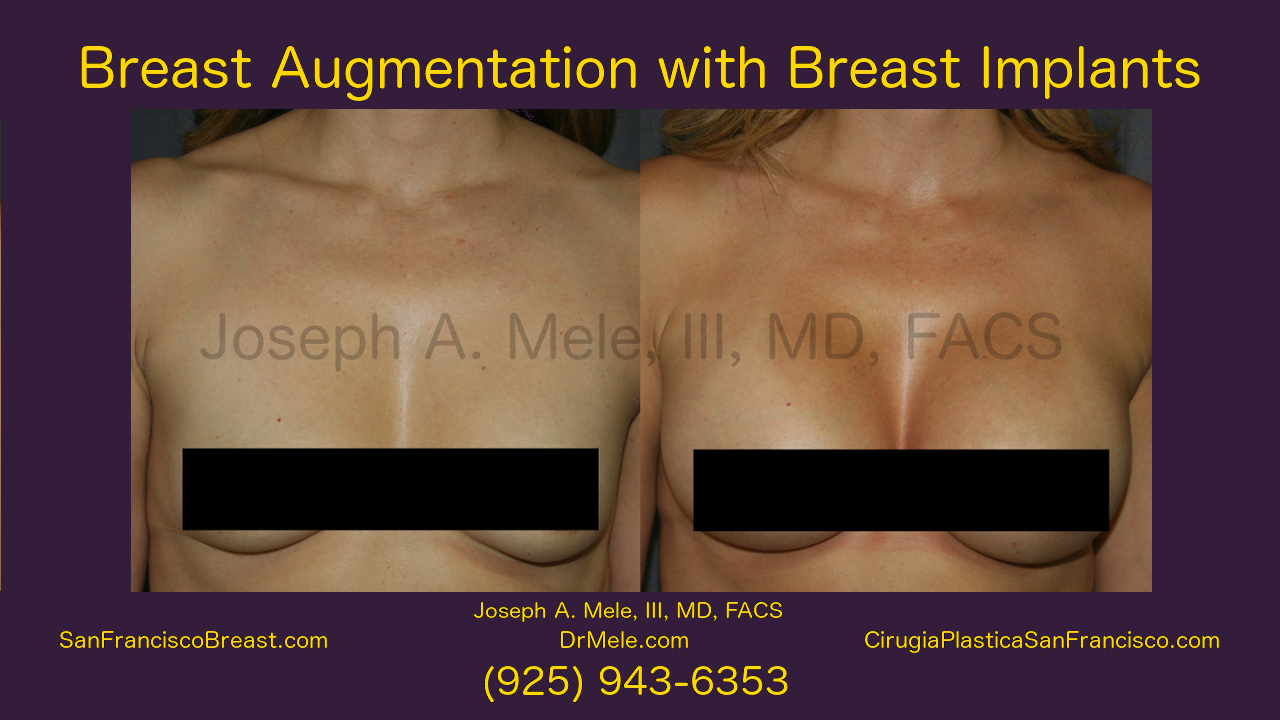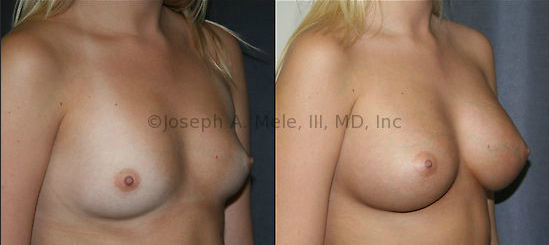
Cosmetic breast surgery is an important facet of my Walnut Creek Cosmetic Plastic Surgery practice. San Francisco Bay Area Breast Augmentation patients, in particular, have come to expect a caring and professional approach to breast augmentation before, during and after surgery. I had the opportunity to discuss Breast Augmentation, and other aspects of cosmetic breast surgery, on KRON’s Body Beautiful earlier this month. Below is an excerpt from my interview with the Bay Area’s News Station’s Vicki Liviakis. The 800 number in the video was used as part of the live show. If you have questions, or would like to schedule a consultation appointment, please call (925) 943-6353, or use the contact form on the left side of this page.
This breast augmentation video includes information about:
Some common, and uncommon, questions about breast augmentation
Breast implant deflation and the treatment
Other topics listed in more detail below
Bay Area Breast Augmentation
When considering Breast Augmentation, it is important to consider breast implant selection, breast augmentation surgery and breast augmentation revision.
Bay Area Breast Implant Selection
Today’s breast implants now come with options. The size, shape and filler can all be varied. It is important to have a good idea of what you want out of your breast augmentation, so that the best options can be selected for you. The most important decision, is your desired size. The size of your breast implants will depend on the size you currently are, your body type and your desired goal size. More information is available in the San Francisco Plastic Surgery Blog regarding Breast Implant Options.
Bay Area Breast Augmentation Surgery
Options also exist regarding how to insert breast implants.
Incision placement
Periareolar – Around the lower border of the areola below the nipple
InfraMammary – In or just above the natural crease beneath the breasts
Axillary – in the armpit
Umbilical – TransUmbilcal Breast Augmentation (TUBA)
At some time in the future, your breast augmentation may require a tune-up. Breast augmentation revision surgery is one of my specialties. A common reason to revise breast augmentation is to change sizes. Most commonly, this is done to increase the size of the breast implants, but occasionally the implant volumes are reduced.
Breast implants can sometimes deflate, and may require replacement. Replacing a deflated breast implant is another common breast augmentation revision surgery. It also gives us the opportunity to make adjustments to the size, or other issues that may have been present before the deflation.
Breast implants tend to stay soft, but if capsular contracture occurs, the breast may become firm. Breast Augmentation Revision Surgery, like a capsulectomy or capsulotomy, can restore the softness to the breast. These types of procedures modify the scar that makes up the wall of the implants’ pocket. This scar serves an important roll in keeping the implant in its proper position. If the scar becomes tight, it can cause asymmetry.
Finding the Right Breast Augmentation Surgeon
If you are considering breast augmentation, be certain to review the benefits, and the risks, with a Board Certified Plastic Surgeon like myself, as part of your breast augmentation consultation appointment. If you have developed problems with your breast implants, a consultation with a Board Certified Plastic Surgeon is the best first step toward finding relief.
Additional Information on Cosmetic Breast Enhancement
Dr. Joseph Mele appears on KRON4's Body Beautiful.
To celebrate the debut of the new San Francisco Breast dot com (SanFranciscoBreast.com), a site dedicated to cosmetic breast surgery for the San Francisco Bay Area, I will be dedicating my appearance on Monday’s Body Beautiful on KRON4 to the breast. Breast augmentation, breast lifts, breast reductions, breast implant revisions, everything related to enhancing the breasts is open for discussion.
Body Beautiful is broadcast live at 11:00 AM on KRON4, so tune in and phone in with your breast questions. Whether you have had breast surgery, or are considering it, the show will cover a variety of topics. For a preview of what’s in store visit SanFranciscoBreast.com.
What’s new in Breast Enhancement Surgery?
The new web site is a comprehensive and authoritative review of the latest techniques in aesthetic breast surgery. Located in the San Francisco East Bay Area city of Walnut Creek, Plastic Surgeon, Joseph Mele, has lent his years of experience, and breast expertise, to this free patient education resource. The site is illustrated with graphics, videos and before and after pictures, and there is more to come. The list of topics covered is long and includes:
I look forward to hearing from you on Monday. If you will not be able to watch KRON4 at 11 AM on Monday, December 13, 2010, and you have a question you want answered, you can send your question via the contact form to the left. I will send you a personal response, and perhaps your question will be answered live during Body Beautiful.
San Francisco plastic surgery patients have an extensive new local resource encompassing all aspects of cosmetic breast enhancement surgery. I have consolidated my years of experience, and the common questions that my patients ask, to create a site that is both informative and understandable. If you are considering cosmetic breast surgery, SanFranciscoBreast.com is a comprehensive collection of consumer information.
The web site is illustrated with videos and before and after pictures. The list of topics covered is long and includes:
SanFranciscoBreast.com is a specialty site dedicated to all aspects cosmetic breast surgery. Since the site is focused only on the breast, it gives me the opportunity to describe each procedure in detail, and to provide you with specific information to help you make an informed decision.
Breast augmentation remains the most frequently performed cosmetic plastic surgery procedure in the United States. At the recent American Society for Aesthetic Plastic Surgery (ASAPS) meeting in Washington DC, breast implants, and breast implant revision surgery were hot topics.
I had the opportunity to compare notes with other breast augmentation revision specialists both formally and informally. National meetings are a great place to share information. Instructional courses are useful, but informal conversations with other Board Certified Plastic Surgeons who are faced with the same opportunities and challenges that I face can be just as enlightening.
What’s new in Breast Implant Revision Surgery?
Neosubpectoral Pockets
Implant malposition includes breast implants which are:
too close to the center (symmastia or bread loafing)
too low (bottoming out)
too wide apart (heading for the armpit)
or too high
are all addressed by modifying or changing the pocket in which the implant sits.
For symmastia, the problem is that the implants are too close together, so that the skin between them becomes elevated. Traditional treatment has been to close off the pocket centrally to reestablish cleavage. If the implant is above the muscle, they can be moved to new pockets below the muscle. This allows for the creation of two new pockets that are separated sufficiently in the center to preserve the definition between the two breasts.
When the implants are below the muscle, they can be moved to in front of the muscle. There are some disadvantages to moving the implants to a subglandular (in front of the muscle) position. This is where the neosubpectoral pockets can help. The name literally means “new pocket under the pectoralis muscle”. By working outside the old pocket’s capsule, a new space can be created for the implant. This can be used to correct symmastia and other problems with implant malposition.
Acellular Dermal Matrix (ADM’s)
An Acellular Dermal Matrix is dermis that has been treated to remove all the living cells, leaving a collagen matrix that can be used as an internal patch to help cover breast implants. It can be used to help disguise rippling and to help support an implant that is displaced. Both human and pig skin are used in the manufacture, and the off-the-shelf availability is a big plus when the native tissue is sparse. Brand names include:
The downside – it is very expensive. A sheet of ACD costs more than a breast implant. So when local tissues are available, it can save you thousands of dollars.
Fat Grafting and Stem Cell Grafting to the Breasts
Interesting cases where presented of utilizing fat (which contains lots of stem cells) as a volume expander for the breast. Some techniques involve suction expansion of the breasts for a month or longer before grafting to increase the size and vascularity of the recipient bed. This is bleeding edge new, and the long term results are unknown.
Breast are mostly fat, and the principle of replacing like with like is a good one. However, if some of the graft doesn’t take – it dies, and dead fat can lead to lumps, hard spots, infection and calcifications. The problems with lumps, hard spots, and infection are pretty clear, so what is the problem with calcifications? Calcifications are what we look for on mammograms to help identify breast cancer. They stand out as bright white spots in the relatively dark breast tissue, and make identifying breast cancer much easier. If a breast is already full of calcifications, it can be very hard to identify a breast cancer. Either every calcification would need to be removed (making the breast smaller) or risk the early detection of a breast cancer. The implications of increasing the number of stem cells (cells that can become anything) in the breast is also unknown.
For now, research in this area should only be performed in carefully controlled studies. The problems that still need to be overcome include insufficient volume, unpredictable take, interference with mammography, long term outcome. Remember, before breast implants, not too long ago, free silicone was injected into the breasts to increase their size. It worked and felt very natural, at first. Long term, however, the breast became firm, lumpy and painful. The outcome may not be the case with fat grafting, but long term follow up is not yet available, and an assumption that everything will be fine is naive.
Gummy Bear Implants (Gummi Bear Implants)
Still awaiting FDA approval.
The most recent delay was rumored to be that the FDA was waiting to see that the current breast implant follow-up studies where progressing. I am an investigator for both Allergan and Mentor, and each has filled both their Saline Breast Implant and SIlicone Breast Implant follow-up studies. All that remains is to collect 10 years worth of data.
Will it take 10 more years to get FDA approval for the gummy bear implants? It took 14 years to get the current silicone implants re-approved.
Emend
Originally marketed to prevent the nausea and vomiting associated with chemotherapy (CINV), Emend is meant to prevent nausea and vomiting rather than treat it after it has occured.
Emend would need to be administered prior to post operative nausea and vomiting (PONV) to be effective. Currently this is an off-label use, and it has only sparingly been tried to date. Zofran, another medication that is currently widely used, started down the same path 20 years ago.
Risk factors for PONV:
female gender
young age
non-smoker
motion sickness
Since most of my breast augmentation patients have several of these risk factors, they all get treated prophylactically, often with several medications. If one med could prevent all PONV, it would simplify the treatment. Fingers crossed…
Breast Augmentation Revision Surgery, has become an important area of specialization in my Walnut Creek plastic surgery practice. As many as 25% of women undergoing breast augmentation, will require a second surgery in the ten years after surgery.
Breast augmentation revision surgery may be elective, and may be performed to increase or decrease the size of your breast implants. Increasing breast implant size is one of the most common, and simplest forms of breast implant revision.
Breast implant revision surgery may be needed to replace a deflated implant or to revise the scar around the implant (capsular contracture). The major US breast implant manufacturers offer lifetime replacement of their breast implants if a breast implant deflation occurs. They also provide financial support if the breast implant leaks occur within ten years of the primary breast augmentation.
You will find videos on breast augmentation and breast augmentation revision surgery posted on the San Francisco Plastic Surgery Blog. They can be viewed here or on my YouTube channel. Please remember, the 800 number appearing on the video was only for the live show, to contact my office for additional information or to schedule a private consultation appointment, call (925) 943-6353.
This video comes from a segment of KRON’s Body Beautiful. You can hear:
What is Breast Augmentation Revision surgery?
Who needs Breast Implant Revision surgery?
Do your silicone breast implants or saline breast implants come with a warranty?
Is there an expiration date on my breast implants?
Before and after pictures of Breast Implant Deflation Replacement Surgery?
Can breast implant asymmetry be improved?
How does Capsular Contracture present?
Can breast surgery be performed for a diabetic (a person with diabetes)?
If you are considering Breast Implant Revision Surgery in the San Francisco Bay Area, a Board Certified Plastic Surgeon can help. This first step is a consultation appointment so that existing problems can be defined and achievable goals can be set.
Breast Augmentation Revision Surgery, has become a specialty unto itself. While most women will never require breast augmentation revision, a large minority will. The exact number is difficult to pin down; however, studies have indicated that in the ten years after breast augmentation, as many as 25%, will undergo a second breast augmentation related surgery.
Many times there is no complication, and the primary motivation for breast augmentation revision surgery is to change the size of the implants. Perhaps the most common breast implant revision surgery is to replace breast implants with a larger pair. This is the reason I place so much emphasis on defining the goal size for breast augmentation before surgery. Even so, minds and goals can change with time.
Other times breast implant revision surgery is less volitional, and may be due to gravity (requiring a breast lift), breast implant failure (breast implant deflation or breast implant rupture) or capsular contracture (tightening of the nature scar that surrounds the implant causing movement or firmness of the breast implants).
Other videos on this subject have been posted on the San Francisco Plastic Surgery Blog and they can be viewed here (see bottom of article for links) or on my YouTube channel. When you are watching this video, please note, the 800 number on the video was for the live show, to contact my office for additional information or to schedule a private consultation appointment, call (925) 943-6353.
On this episode of KRON’s Body Beautiful you can learn:
What are the main reasons for Breast Augmentation Revision surgery
Do breast implants wear out?
What is the capsule around the breast implants?
What is Capsular Contracture?
How long is the Breast Implant Warranty?
How many Breast Augmentations are performed each year?
How is Breast Implant Revision Surgery performed?
What is the recovery like after Breast Augmentation Revision?
Breast Augmentation Revision Surgery requires a careful analysis of the existing problem, a thoughtful discussion about the good (and bad) aspects of all available treatments, the ability to adapt the plan to any new findings found during surgery, and a careful recovery, to speed you return to daily life. The first step is a private consultation with a Board Certified Plastic Surgeon.
Whether you are considering breast enhancement, or already have breast implants, this video discusses the most frequent reasons why corrective surgery is needed and includes before and after pictures and live viewer questions.
This is part two of two from an episode of KRON 4′s Body Beautiful with Vicki Liviakis that aired last month. This video discusses breast augmentation revision surgery, including before and after pictures and viewer questions.
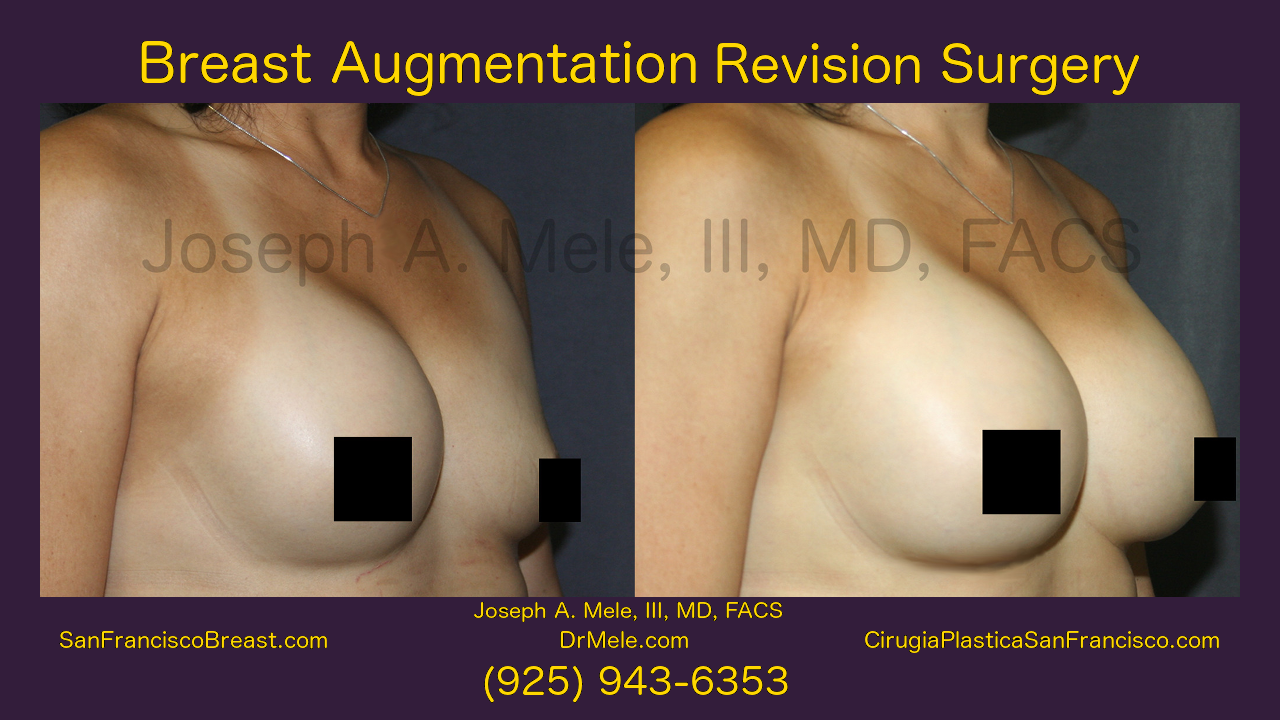
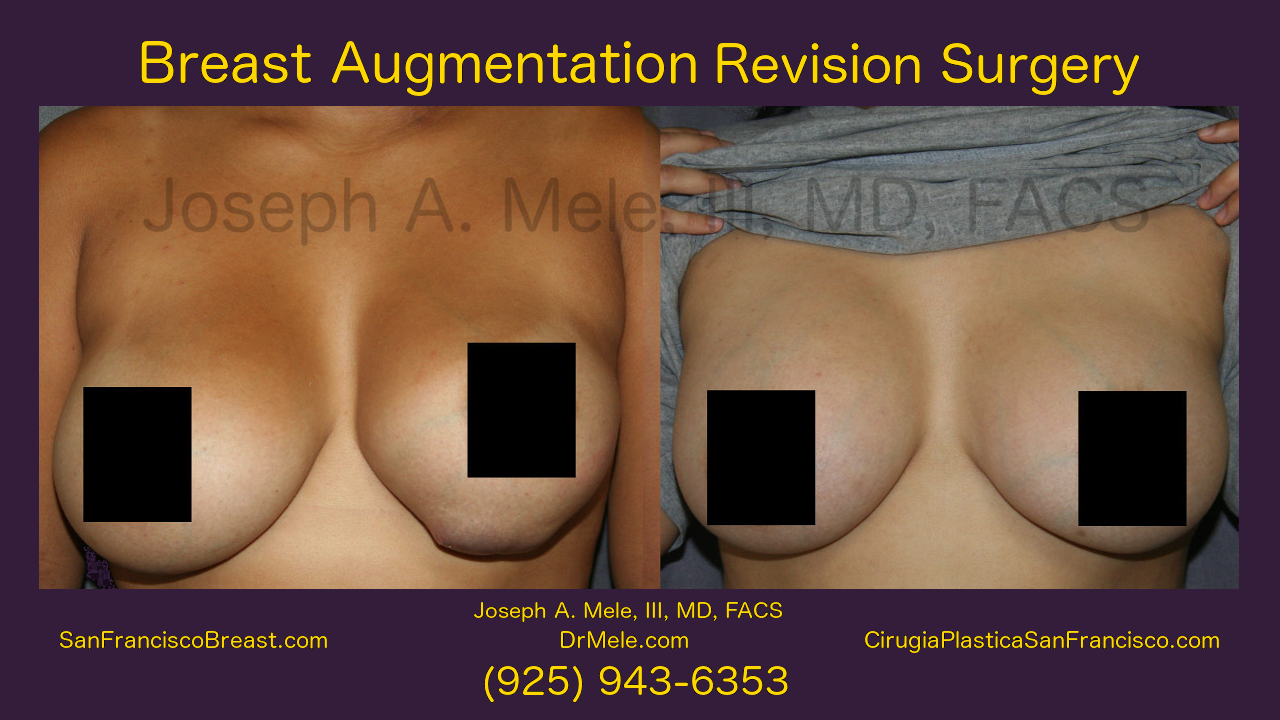
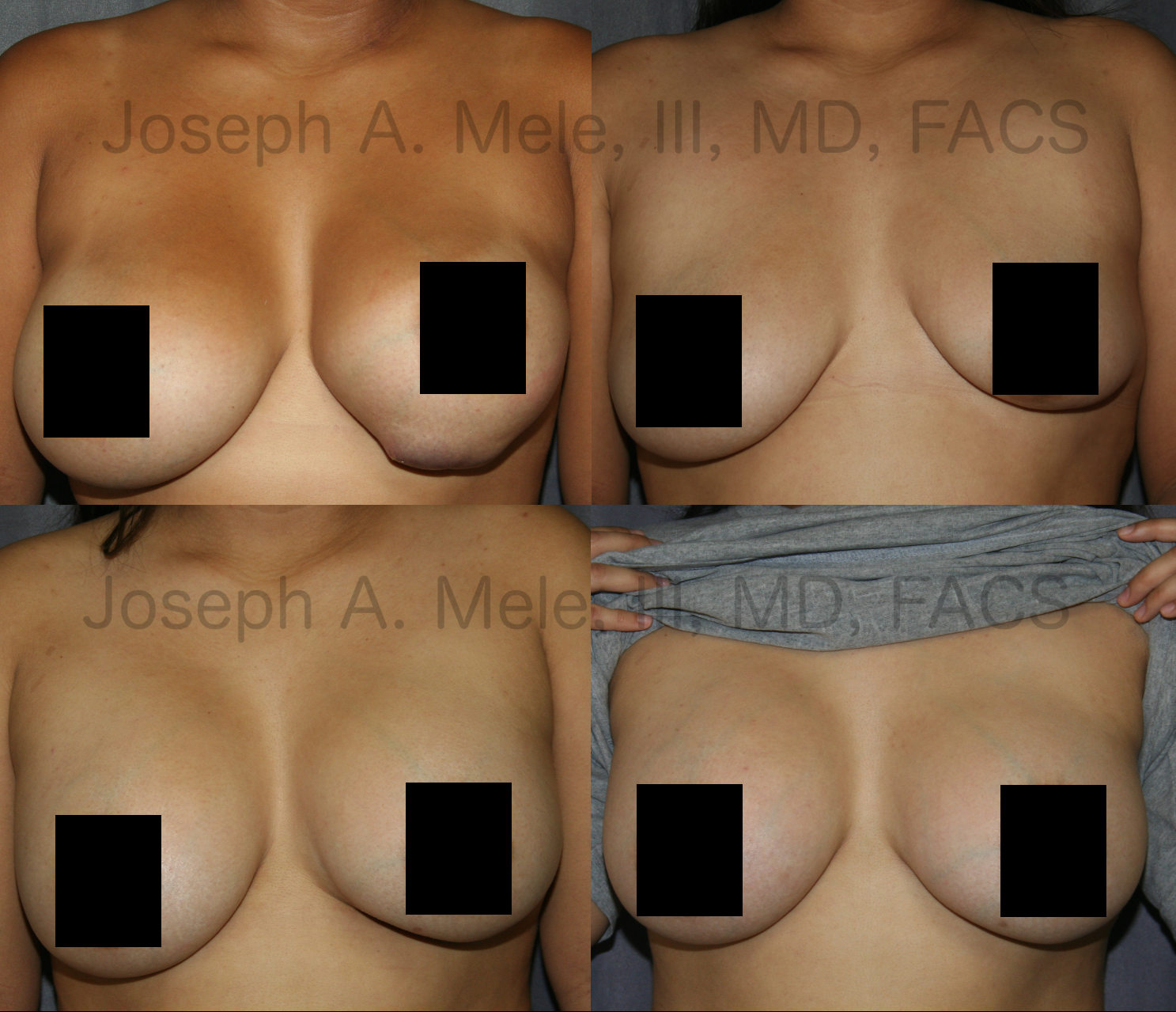
Specific examples are shown. The first patient (shown below) had breast augmentation in her twenties. Years later, she had children and was not happy with the changes in her breast resulting from pregnancy and breast feeding. Before and after breast augmentation revision surgery pictures are shown. In her case a breast implant exchange and breast lift and were performed to adjust for lost volume and improve the shape of the sagging breasts.
A different patient had breast implant bottoming out. In her case the implants had fallen below the inframammary fold leaving the nipples high and flattening out the normal curve beneath the breast. Corrective beast augmentation surgery included breast implant implant exchange to adjust the volume, and the inframammary fold was reconstructed internally to raise the implant and form a distinct curve beneath the breast.
The caller in this video had a question about ruptured silicone gel implants that were placed in the 1970′s. If any breast implant has ruptured, it needs to be removed. Most frequently, a ruptured breast implant is replaced at the same operation. Silicone gel implants in particular should be removed sooner than later. A ruptured silicone gel implant, over time, can cause increased scarring and hardening of the breasts, as the body tries to wall off the free gel. If not treated promptly, this type of scarring can lead to further problems than may not be correctable.
Silicone gel filled implants placed before 1985 seem to have a higher deflation rate than the new silicone breast implants. In fact, the outer shell of silicone breast implants has changed twice since the 70′s. The first change, in the mid 80′s, was to decrease the rupture rate. The second change, in the mid 90′s, was to reduce gel bleed (the ability of the silicone gel to leak through outer shell without a rupture). Both US FDA approved breast implant manufactures, Allergan and Mentor, offer lifetime replacement of their implants should they fail, and often provide financial support should this occur within ten years of your breast augmentation procedure. For details of the Mentor and Allergan (Natrelle) Breast Implant Warranties click on the manufactures names. It is best to get the information direct from the manufacturer; however, the Mentor site has been going through some changes, perhaps with the merger with Johnson & Johnson, so if you can’t link there, JustBreastImplants.com also has information on breast implant warranties.
Breast Augmentation is currently the most frequently performed cosmetic plastic surgery procedure. Whether you are considering breast enhancement, or already have breast implants, this video discusses the most frequent reasons why corrective surgery is needed.
Breast augmentation revision surgery is sometimes necessary even in the best of hands. Revision surgery can range from simple, like changing breast implants after deflation or changing sizes, to more complicated, like when treating breast ptosis (sagging) or capsular contracture. The best way to reduce your risk of needing breast revision surgery is to choose a qualified Board Certified Plastic Surgeon.
If you need breast revision surgery, choosing a well trained Board Certified Plastic Surgeon with a broad experience in breast enhancement surgery is the best way to get a satisfying result. By choosing a Board Certified Plastic Surgeon who specializes on cosmetic surgery, you get a doctor who is well trained and well rehearsed in a wide range of treatment options.
Breast implant revision in San Francisco is no different than in other areas of the United States. Sometimes the results of the breast augmentation where just not what was expected. Other times, the result were great and either the breasts change, the implants change or the desires change. When these situations arise, breast augmentation revision surgery could be your best option to get back into the shape you want.
This is part one of two from an episode of KRON 4′s Body Beautiful with Vicki Liviakis that aired last month. This video discusses breast augmentation revision surgery. Part two will include more discussion, before and after pictures and viewer questions.
The best way to be certain your plastic surgeon is appropriately trained to perform breast augmentation surgery is to make sure that he or she is a Board Certified Plastic Surgeon. By choosing a Plastic Surgeon who is a member of the American Society of Plastic Surgeons (ASPS), you can be certain that their credentials have been verified. ASPS members are held to higher standards in ethical care of patients and continuing medical education requirements. ASPS standards are above and beyond those required by State licensing boards and hospital credentialing committees.
A small percentage of ASPS members are also members of the American Society for Aesthetic Plastic Surgery (ASAPS). ASAPS members are ASPS members who specialize in the cosmetic side of Plastic Surgery. ASAPS members must meet the standards of ASPS, apply independently for membership to ASAPS and demonstrate a commitment to cosmetic plastic surgery both in education and in patient care.
ASPS is the largest plastic surgery specialty organization in the world. Founded in 1931, the society is composed of board-certified plastic surgeons who perform cosmetic and reconstructive surgery. ASAPS is the leading organization of board-certified plastic surgeons specializing in cosmetic surgery of the face and body, and I am proud to be an active member of both.
Next time I will talk more about the reasons for breast augmentation revision surgery and how a qualified Plastic Surgeon can help.
Walnut Creek Plastic Surgeon (San Francisco Bay Area, East Bay) Joseph A. Mele, III, MD, FACS, will be appearing on KRON channel 4′s, Body Beautiful this Monday, September 14, 2009, at 11:00 AM.
KRON4′s Body Beautiful, is a weekly news show hosted by News Anchor Vivki Liviakis. It originates right here in San Francisco and is know through out the Bay Area for its coverage of the lastest trends in cosmetic plastic surgery.
This week’s topic will be breast augmentation, specifically breast implant revision surgery. Information about breast augmentation and the most common reasons for breast implant revision will be presented. Topics will include, choosing the best breast implant size, breast implant deflation, capsular contracture, dealing with breast asymmetry, and how to decrease your risk of needing breast augmentation revision surgery.
If you have questions that you would like me to answer on air, please send them via the contact form on this page. Please do mention that you would like me to answer your question on Body Beautiful, otherwise all inquiries are kept confidential. Alternatively, you can send your questions directly to KRON4 via the Body Beautiful web page. You can also phone into the studio while we are on the air, and get your questions answered live.
Previous shows discussing breast augmentation, tummy tucks, liposuction, eyelids surgery and many other cosmetic plastic surgery procedures can be found on my website in the DrMele.com Video Gallery
A unique aspect of Body Beautiful is it live broadcast live. Broadcasting live allows for more a more dynamic and interactive presentation. A segment of the show will be dedicated to viewer questions. So be sure to call in.
Breast augmentation has become the most frequently performed cosmetic plastic surgery procedure. As a result, breast augmentation revision has also increased. This topic has been discussed previously under breast asymmetry and capuslar contracture. There are many reasons for breast implant revision surgery San Francisco; they can be divided into three main groups.
Breast implant size – Perhaps the most common reason for breast implant revision surgery. The breast implant and pocket may both be fine, but there is a desire to change the size of the breast augmentation. By far, the most common change is to place larger breast implants, but reducing breast implant size and correcting asymmetry for size also are included in this category.
Breast implant leak – Failure of the implant, and loss of the filling volume is another common reason for breast implant revision. Saline filled breast implants rapidly lose volume and it is clear that there is a problem. Silicone gel filled breast implants may require an MRI to determine if there is a leak. Regardless of the type of implant, if there is a leak, it needs to be replaced.
Pocket problems – The pocket around the implant is normally lined with a thin soft scar. When the scar becomes too thick or too tight this is called capsular contracture. In its advanced stages, capsular contracture can lead to a firm, tight, immobile breast, which in severe cases becomes painful. On the other hand, if the scar is too soft and loose, the implants can move too much. This can lead to implants that are bottoming out (too low) or the implants may fall to the side when laying down (like natural large breast do).
Here is another example of breast augmentation revision surgery bay area. This patient presented to my Walnut Creek plastic surgery office. Overall, she was happy that she had breast implants, but she had several aspects that she wanted improved.
Her bra would ride up onto the lower pole of her breast with exercise.
Her implants had bottomed out.
Her breast implants were asymmetric (more bottoming on the right).
Her implants were a little small still.
Her nipples were too prominent, noticed more after her primary breast augmentation.
Her nipples were asymmetric.
The following procedures were discussed:
Capsulorrhaphy – literally means capsule tightening. The lower pole of the capsule is closed to lift the implant higher on the chest. Capsulorrhaphy is also performed to move implants out of the armpits. Larger implants and weaker soft tissues increase the risk of implant malposition, and recurrence of the problem.
Creation of an New Inframammary Fold (IMF) – This is a difficult procedure to get right, and it is worth finding a Board Certified Plastic Surgeon who has experience with this type of correction. The IMF is purposefully formed slightly higher than the desired result as there is almost always some stretching again after surgery. This procedure and capsulorrhaphy can both improve asymmetry. A defined IMF is important to keep the bra in the correct position and to allow the bra to support the breast properly.
Breast Implant Exchange – Whenever breast augmentation revision is performed, it is worth considering whether to replace the implants. Implant volumes are most commonly increased during breast revision surgery. Sometimes the volumes are reduced and sometimes the volumes are adjusted to help compensate for asymmetry. The implants can also be exchanged between saline and silicone gel. As is often the case, a slightly larger implant was desired. Larger implants can increase the risk of bottoming out. Smaller implants will increase the reliability of the capsulorrhaphy and IMF repairs. Smaller implants are lighter, and less weight means a better chance for long term correction.
Nipple Reduction – Generous nipples can be reduced in size. The scar lies in the crease at the base of the nipple and is very difficult to see.
Periareaolar Breast Lift – The periareolar scar can be used to move the nipple/areaolar complex (nipple and the dark skin around it) in any direction. As with a breast lift, the scar goes around the areola. In this case, the right nipple is significantly higher than the left; however, since the patient was not really bothered by her nipple position, it was not fixed.
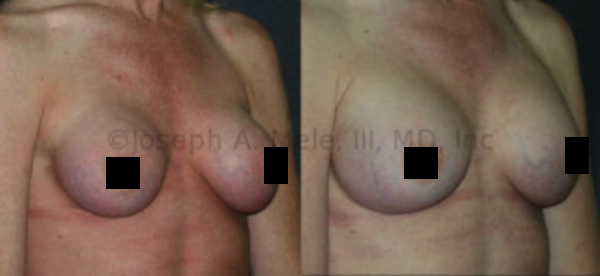
Breast Augmentation Revision with Nipple Reduction - Before (left) and After (right)
The previous implants were removed, a capsulorraphy was performed, additional work was done internally to form a new IMF, and new implants where placed via a periareolar scar (from 4 to 8 o’clock). The volume was increased from 300 to 350 cc’s using saline filled implants. In addition, the nipples were reduced with an incision that runs around its base. The nipple is still high on the right, and could be improved by further raising the breast implants. However, for the sake of the left breast, it is better to keep the implants in their current position. While this leaves the right nipple high, it avoids creating a low (sagging looking) nipple on the left.
Notice the improvement of the angle at the bottom of the breasts. It is no surprise that the bra was ridding up onto the breasts before surgery. After recreation of the IMF, it is higher, smooth and well defined.