What follows is a video segment from my recent television appearance on the Bay Area’s Local News Station, KRON4. I was originally scheduled to talk about Tummy Tucks (Abdominoplasty), but we kicked off the show with this important late breaking news update for women with breast implants. The (415) phone number in the video was for the live broadcast only. If you have questions about abdominoplasty, feel free to call my office directly at (925) 943-6353, or use the contact format the bottom of the column to the left.
This ALCL (Anaplastic Large Cell Lymphoma) update video includes:
Information from the January 2011 FDA White Paper
Why is it called a lymphoma?
Why ALCL is not breast cancer?
What are the symptoms of ALCL?
How is the diagnosis of ALCL made?
How rare is ALCL (34 cases in 10 million breast augmentation patients)
How is ALCL treated?
Do my implants need to be removed?
The important points to keep in mind:
ALCL is very rare.
ALCL presents with symptoms.
increasing size
swelling
discomfort
fluid around the implant.
ALCL is not breast cancer.
ALCL treatment is available.
If you have concerns with your breast implants, seek advise from a Board Certified Plastic Surgeon in your area. If you have the symptoms above, don’t panic, it is still unlikely that ALCL is the cause, and your local Board Certified Plastic Surgeon can help.
I will get the rest of the show up shortly for all of you interested San Francisco Bay Area Tummy Tuck patients. Once the tummy tuck videos are uploaded, I will place links below. In the interim, if you have have questions, or would like to schedule a consultation, please give me a call at (925) 943-6353 or use the contact form on the left.
Yesterday, the FDA released a White Paper and Advisory Statement on Anaplastic Large Cell Lymphoma (ALCL) in women with breast implants. It is important that all patients and plastic surgeons understand the current state of knowledge surrounding this condition.
What Are My Chances of Getting ALCL if I Get Breast Implants?
This condition is incredibly rare. In fact, the known ALCL cases are too few to say conclusively that breast implants cause the disease. Efforts over the past 25 years by all the worlds major plastic surgery societies to raise awareness among members and to identify patients with ALCL have identified 34 unique cases worldwide among an estimated 10 million+ implanted devices. That’s about 1 in 300,000. To put this in perspective: the chance that you will get hit by lightning at some time during your lifetime is 1 in 6250. The chances are the same of you knowing 50 people who have been hit by lightning or one person with breast implant associated ALCL. On the other hand, the chance a developing a “real” breast cancer is 1 in 9.
So it’s Rare … but What if it Happens to Me?
As opposed to the systemic, nodal pattern of ALCL, in published reports, ALCL seen in the presence of breast implants has demonstrated an indolent course. In other words, it doesn’t spread. The women who developed ALCL, were cured with treatment. While ALCL seen in the presence of breast implants does fulfill the current WHO classification for ALCL, a form of Non-Hodgkins Lymphoma, the type of ALCL associated with breast implants potentially represents a distinct clinical entity. This condition is clearly NOT breast cancer.
Because of the extreme rarity of this condition, at this point no standard treatment has been determined. ALCL has been treated with everything from simple explantation (removal of the breast implant) and capsulectomy (removal of the scar around the breast implant) to aggressive systemic therapy. With either treatment, the condition was resolved.
Where Does the FDA Stand?
The FDA has not changed the status or availability of breast implants and has reaffirmed that the devices are safe and effective. In order to better understand this rare condition, the FDA has entered into an agreement with the American Society of Plastic Surgeons (ASPS) to create a registry for ALCL cases in the presence of breast implants. Until this registry is up and running, any clinical case will be reported directly to FDA. The FDA documents provide instructions for how to report any clinical cases to FDA. The American Society for Aesthetic Plastic Surgery fully supports the FDA and ASPS in this endeavor.
It’s Rare … But What Should I Look For?
Despite what you may have heard on the nightly news, the vast majority of breast implant patients will never have this problem. Moreover, most plastic surgeons will never see a single case in a lifetime of practice. The occurrence of ALCL with implants is so rare that routine screening of asymptomatic patients is not indicated; however, we all need to know what signs to look for.
The Presentation of ALCL with Breast Implants
This unusual tumor presents in two main ways:
A collection of fluid (a seroma) that develops well after breast implant placement
A mass involving the scar around a breast implant (the capsule)
Non specific findings: pain, lumps, swelling, or asymmetry, have also been associated with the above findings, and some cases have been associated with capsular contracture (firmness of the breast). If you think there is a problem, contact your Board Certified Plastic Surgeon today for follow-up.
ALCL Does Not Act Like Breast Cancer and There is More Good News
Knowledge is power. Raising awareness should be empowering and not frightening. Recent news reports on ALCL and breast implants seem a bit overblown; however, they do serve as a reminder that all women, with and without breast implants, need to be concerned about breast health. While ALCL is unlikely, the incidence of breast cancer is one in nine, and the vast majority of women who develop breast cancer do not have a family history of the disease.
The good news it that breast health is being discussed openly. I encourage you to do monthly breast exams, and to obtain routine mammography. The sooner a breast cancer is found, the easier it is to treat, and the better the quality of the life saved. Routine screening may seem a bother, but the life you save, will be yours to enjoy.
The ASAPS, the ASPS and Board Certified Plastic Surgeons around the world are all working together on this and other issues to keep cosmetic plastic surgery safe and predictable for everyone. For more information on ALCL and breast implants follow these links:
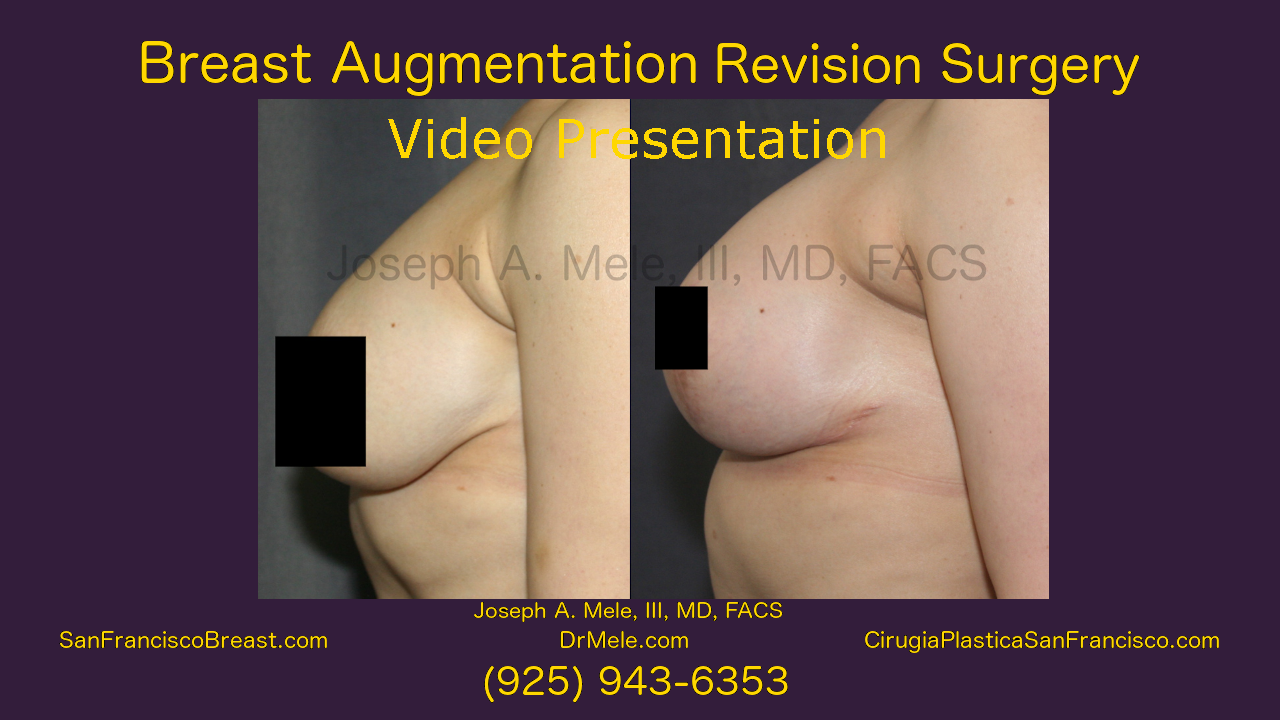
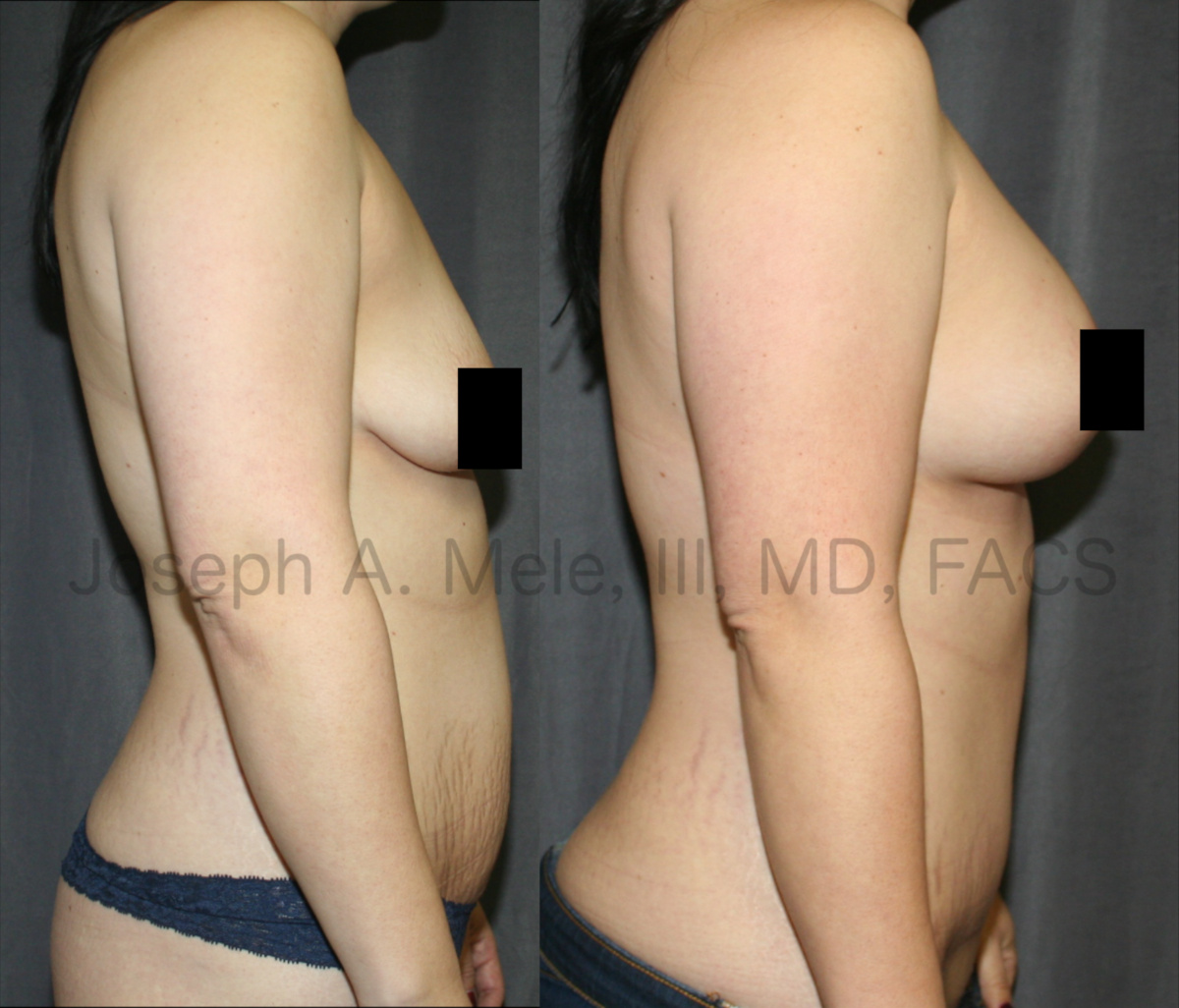
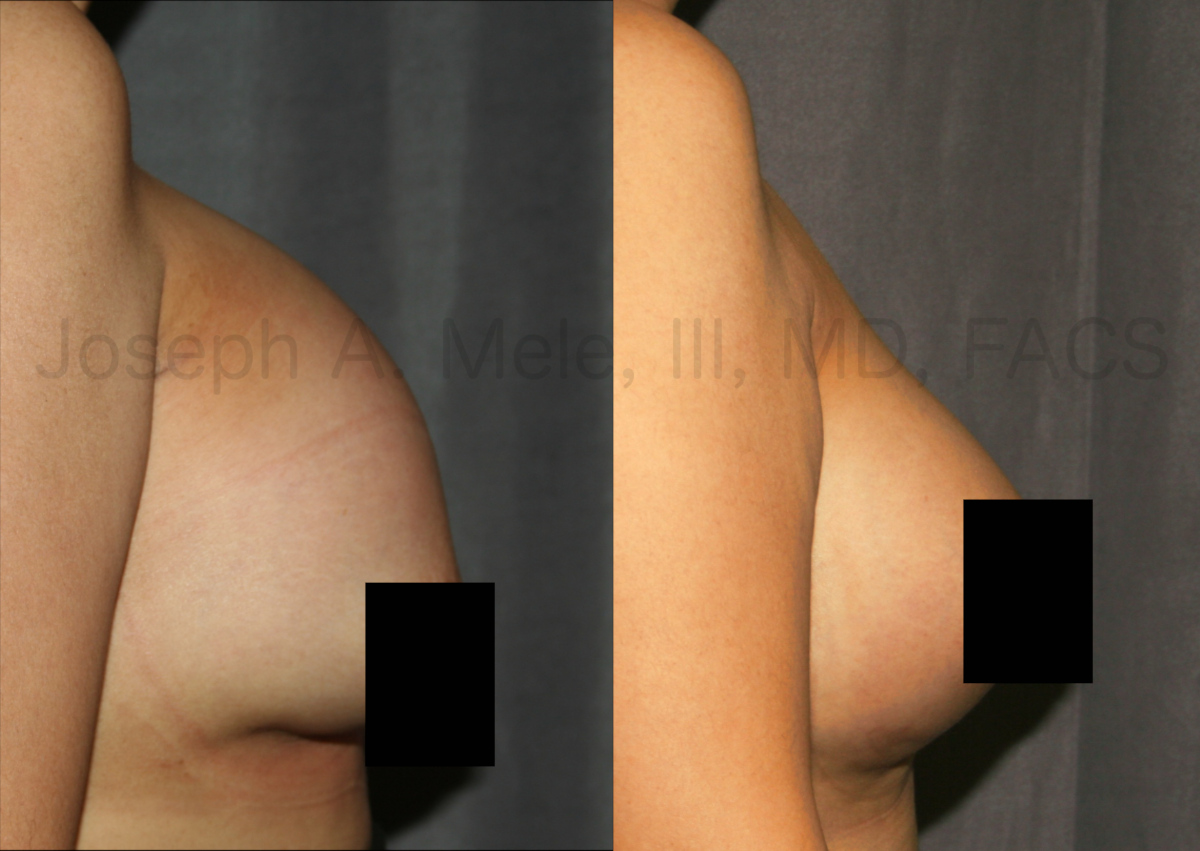
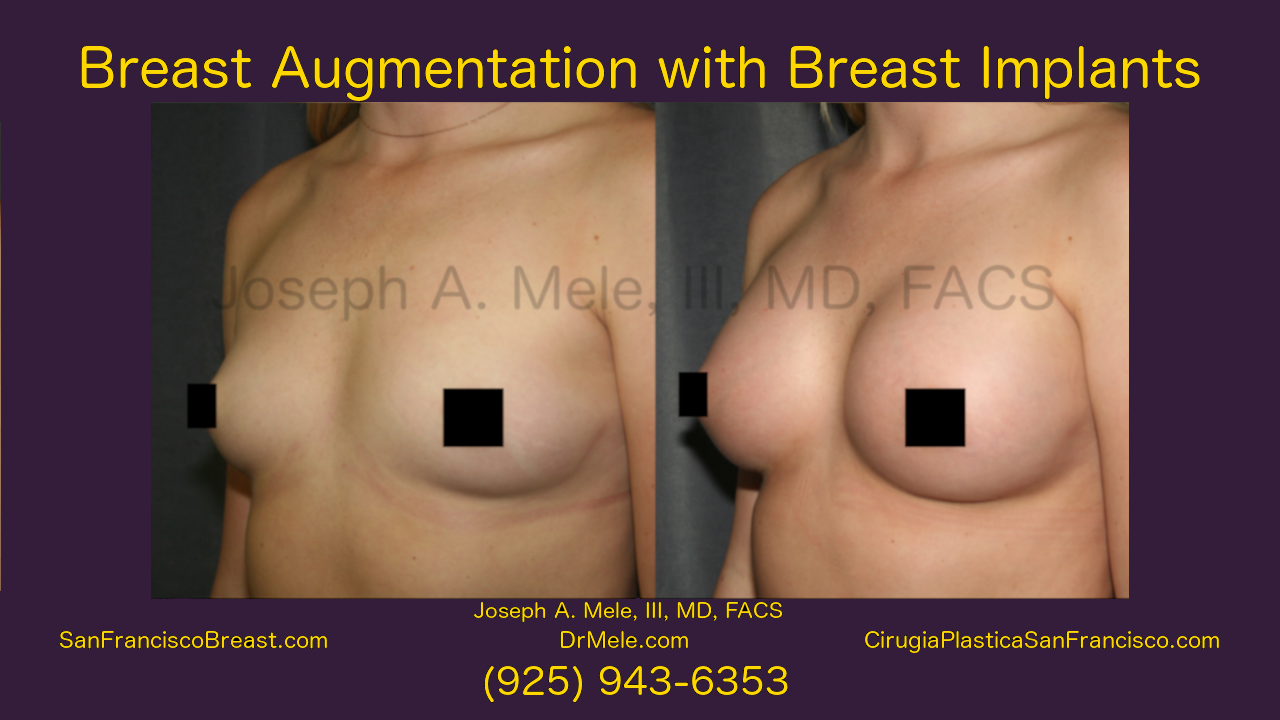
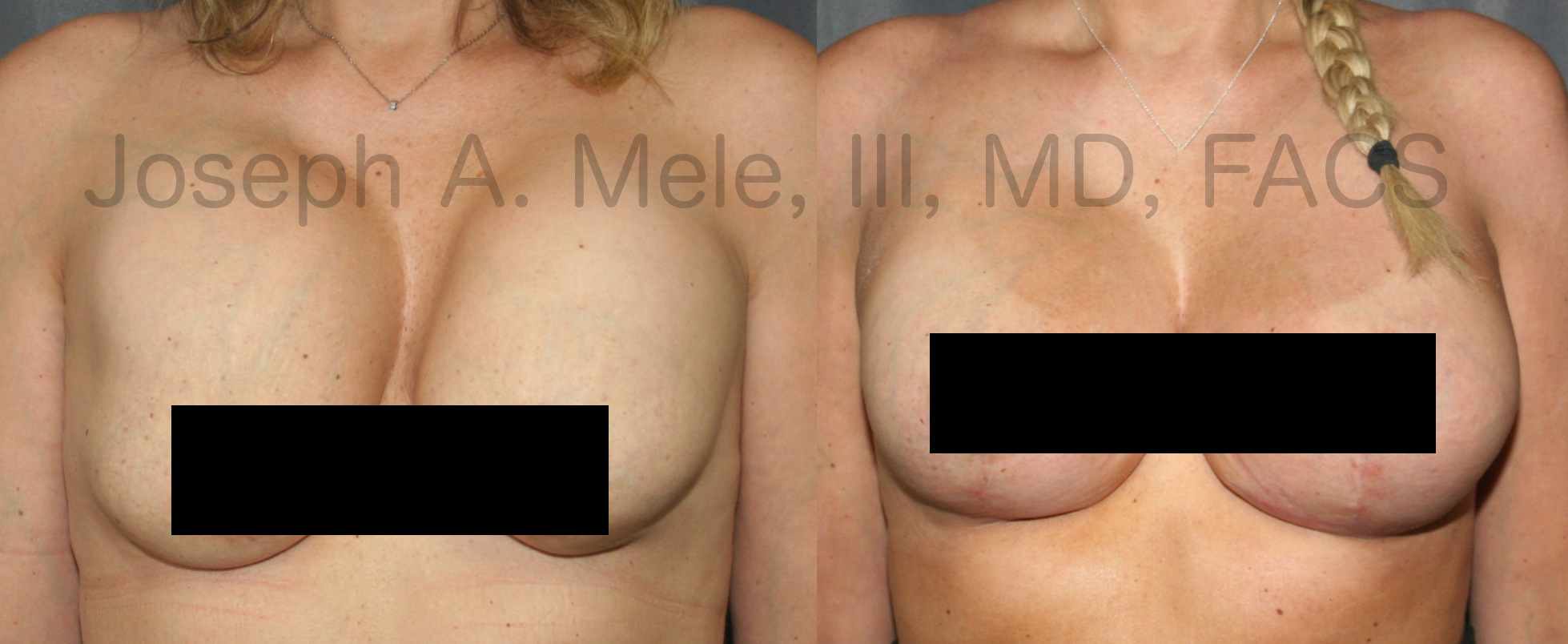
If you were peaking ahead, the preview screen on the video shows a side-by-side comparison of before and after pictures for breast reduction (reduction mammoplasty). I perform many different aesthetic breast enhancement surgeries. Sometimes reducing the volume and lifting the breasts is the best course of action. For patients with large breast and symptoms like lower neck and upper back pain, shoulder rutting from the bra straps and even recurrent rashes beneath the breasts, breast reduction surgery can provide an improved quality of life. It goes beyond being able to find clothes (and bras) that fit, but my patients are happy about that too.
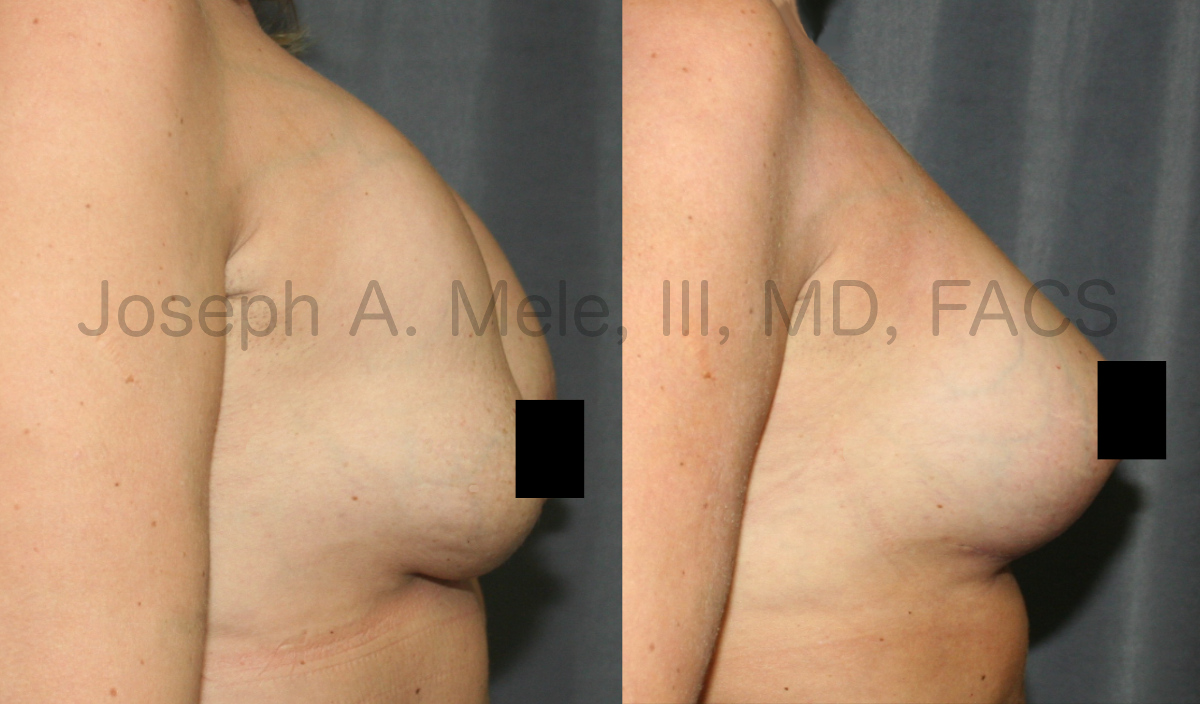
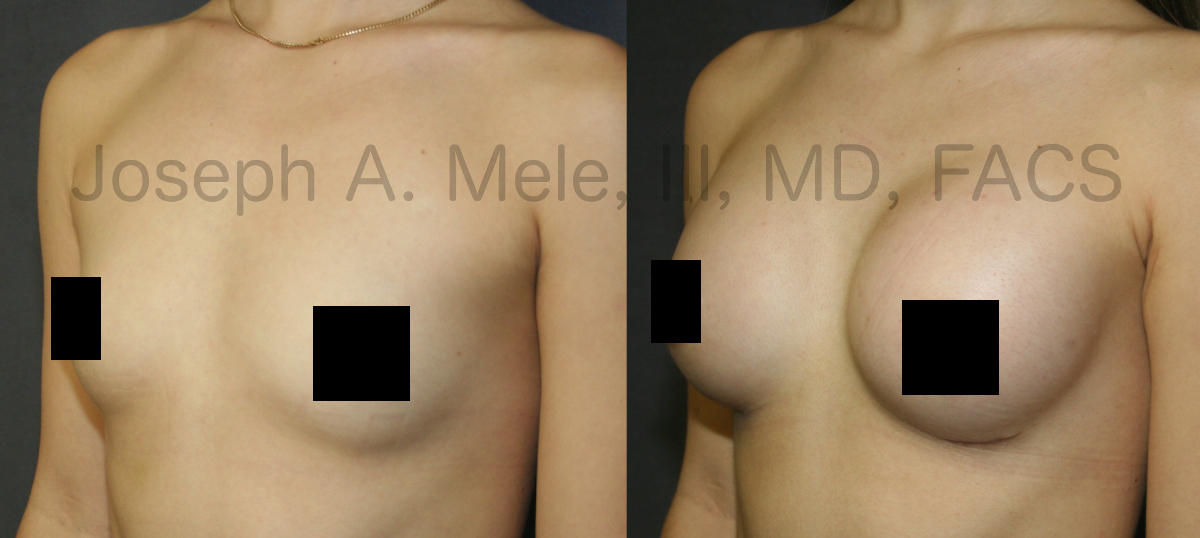
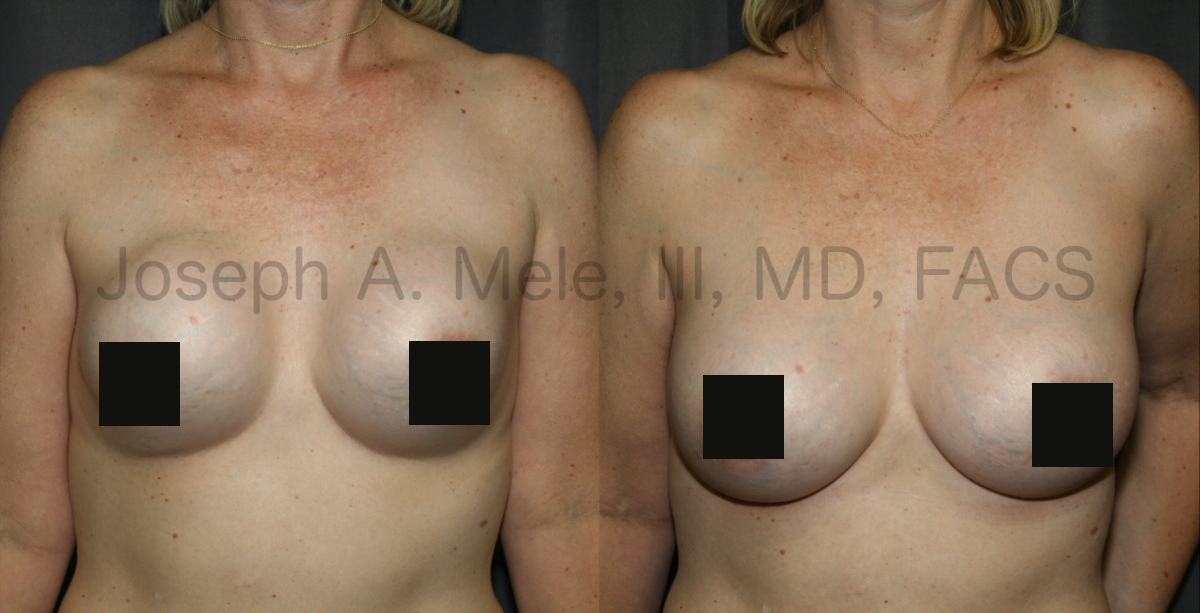
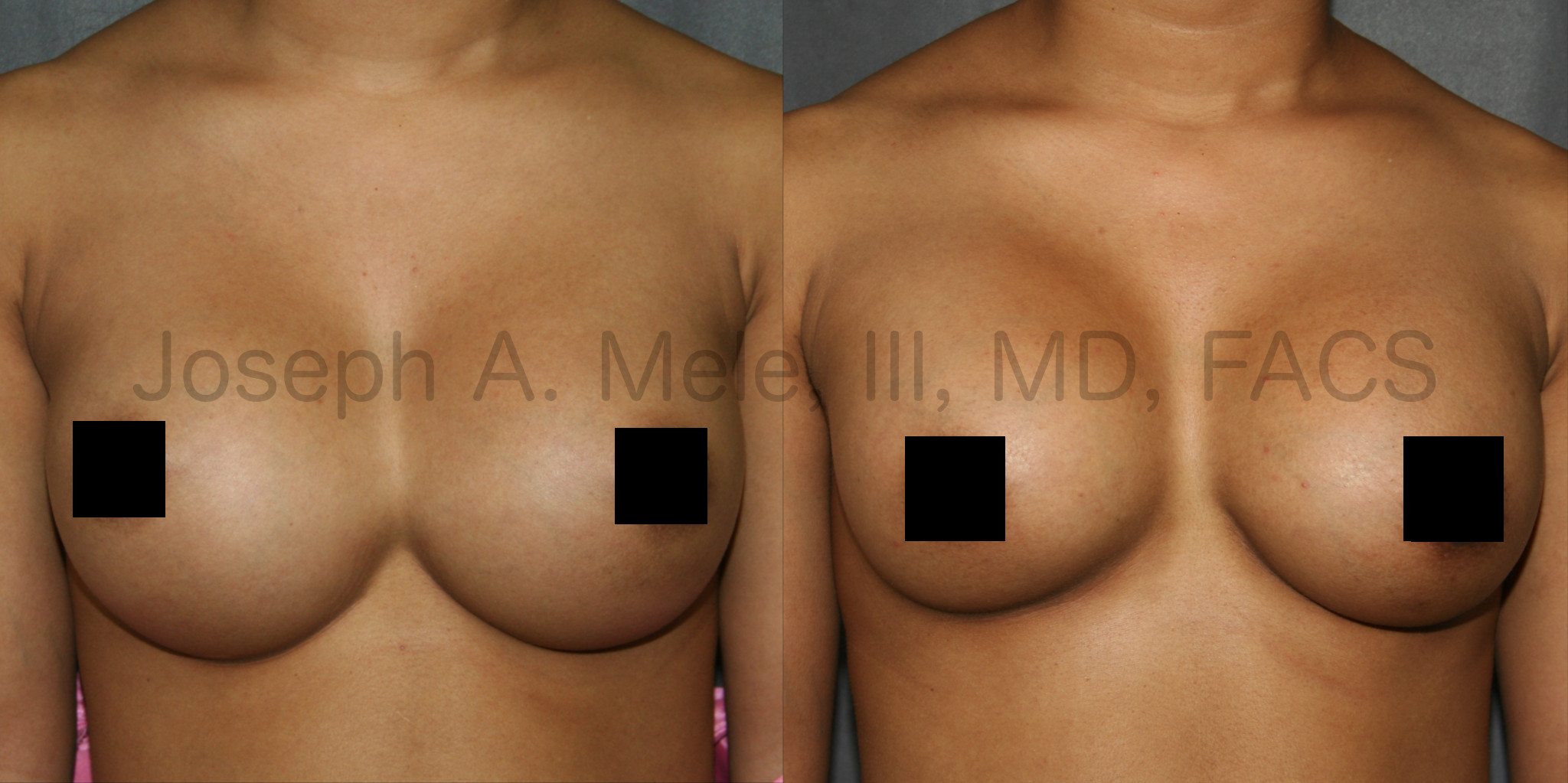
Breast Reduction, Breast Augmentation and Breast Implant Revision Before and After Pictures
The 800 number in the video was used as part of the live show to allow viewers to have their questions answered by me, live, during the original broadcast. If you have questions, or would like to schedule a consultation appointment, please call (925) 943-6353, or use the contact form on the left side of this page.
Bay Area Breast Implants – Part 2 or 4
This cosmetic breast enhancement video includes information about:
Cosmetic breast enhancement including before and after pictures
I cannot emphasize this enough. If you are considering breast augmentation, be certain to review the benefits, and the risks, with a qualified Board Certified Plastic Surgeon, like myself. This is an important part of any breast augmentation consultation appointment. This is equally important if you have developed problems with your breast implants. A consultation with a Board Certified Plastic Surgeon is the best first step toward finding relief.
Additional Information on Cosmetic Breast Enhancement
Cosmetic breast surgery is an important facet of my Walnut Creek Cosmetic Plastic Surgery practice. San Francisco Bay Area Breast Augmentation patients, in particular, have come to expect a caring and professional approach to breast augmentation before, during and after surgery. I had the opportunity to discuss Breast Augmentation, and other aspects of cosmetic breast surgery, on KRON’s Body Beautiful earlier this month. Below is an excerpt from my interview with the Bay Area’s News Station’s Vicki Liviakis. The 800 number in the video was used as part of the live show. If you have questions, or would like to schedule a consultation appointment, please call (925) 943-6353, or use the contact form on the left side of this page.
This breast augmentation video includes information about:
Some common, and uncommon, questions about breast augmentation
Breast implant deflation and the treatment
Other topics listed in more detail below
Bay Area Breast Augmentation
When considering Breast Augmentation, it is important to consider breast implant selection, breast augmentation surgery and breast augmentation revision.
Bay Area Breast Implant Selection
Today’s breast implants now come with options. The size, shape and filler can all be varied. It is important to have a good idea of what you want out of your breast augmentation, so that the best options can be selected for you. The most important decision, is your desired size. The size of your breast implants will depend on the size you currently are, your body type and your desired goal size. More information is available in the San Francisco Plastic Surgery Blog regarding Breast Implant Options.
Bay Area Breast Augmentation Surgery
Options also exist regarding how to insert breast implants.
Incision placement
Periareolar – Around the lower border of the areola below the nipple
InfraMammary – In or just above the natural crease beneath the breasts
Axillary – in the armpit
Umbilical – TransUmbilcal Breast Augmentation (TUBA)
At some time in the future, your breast augmentation may require a tune-up. Breast augmentation revision surgery is one of my specialties. A common reason to revise breast augmentation is to change sizes. Most commonly, this is done to increase the size of the breast implants, but occasionally the implant volumes are reduced.
Breast implants can sometimes deflate, and may require replacement. Replacing a deflated breast implant is another common breast augmentation revision surgery. It also gives us the opportunity to make adjustments to the size, or other issues that may have been present before the deflation.
Breast implants tend to stay soft, but if capsular contracture occurs, the breast may become firm. Breast Augmentation Revision Surgery, like a capsulectomy or capsulotomy, can restore the softness to the breast. These types of procedures modify the scar that makes up the wall of the implants’ pocket. This scar serves an important roll in keeping the implant in its proper position. If the scar becomes tight, it can cause asymmetry.
Finding the Right Breast Augmentation Surgeon
If you are considering breast augmentation, be certain to review the benefits, and the risks, with a Board Certified Plastic Surgeon like myself, as part of your breast augmentation consultation appointment. If you have developed problems with your breast implants, a consultation with a Board Certified Plastic Surgeon is the best first step toward finding relief.
Additional Information on Cosmetic Breast Enhancement
Dr. Joseph Mele appears on KRON4's Body Beautiful.
To celebrate the debut of the new San Francisco Breast dot com (SanFranciscoBreast.com), a site dedicated to cosmetic breast surgery for the San Francisco Bay Area, I will be dedicating my appearance on Monday’s Body Beautiful on KRON4 to the breast. Breast augmentation, breast lifts, breast reductions, breast implant revisions, everything related to enhancing the breasts is open for discussion.
Body Beautiful is broadcast live at 11:00 AM on KRON4, so tune in and phone in with your breast questions. Whether you have had breast surgery, or are considering it, the show will cover a variety of topics. For a preview of what’s in store visit SanFranciscoBreast.com.
What’s new in Breast Enhancement Surgery?
The new web site is a comprehensive and authoritative review of the latest techniques in aesthetic breast surgery. Located in the San Francisco East Bay Area city of Walnut Creek, Plastic Surgeon, Joseph Mele, has lent his years of experience, and breast expertise, to this free patient education resource. The site is illustrated with graphics, videos and before and after pictures, and there is more to come. The list of topics covered is long and includes:
I look forward to hearing from you on Monday. If you will not be able to watch KRON4 at 11 AM on Monday, December 13, 2010, and you have a question you want answered, you can send your question via the contact form to the left. I will send you a personal response, and perhaps your question will be answered live during Body Beautiful.
San Francisco plastic surgery patients have an extensive new local resource encompassing all aspects of cosmetic breast enhancement surgery. I have consolidated my years of experience, and the common questions that my patients ask, to create a site that is both informative and understandable. If you are considering cosmetic breast surgery, SanFranciscoBreast.com is a comprehensive collection of consumer information.
The web site is illustrated with videos and before and after pictures. The list of topics covered is long and includes:
SanFranciscoBreast.com is a specialty site dedicated to all aspects cosmetic breast surgery. Since the site is focused only on the breast, it gives me the opportunity to describe each procedure in detail, and to provide you with specific information to help you make an informed decision.
What happens when a breast implant leaks, depends on the type of breast implant. When the breast implants are saline filled, the saline is water with 0.9% salt (NaCl). A small defect in the shell, or leak at the valve, will allow the saline to quickly escape. Since saline has the same saltiness as our body, the fluid causes no harm. There is no reaction to the leaking saline, and it is quickly absorbed. The leaking saline breast implant will deflate, and it becomes quickly obvious that there is a problem. No additional tests are usually necessary, and under most circumstances, arrangements are made to replace the defective breast implant; the sooner the better. Did you know that breast implants come with warranties?
Silicone gel filled breast implants give a different result. Silicone gel is cohesive (sticky) and tends to stay together. Because of this, it is possible to have a “silent leak” with silicone breast implants. A silent leak is when the implant has leaked, but there is no evidence of the problem on physical examination. The silicone gel can leak out of the implant, but continues to be contained by the capsule, the thin scar that forms around the implant that helps keep the implant from moving. Saline is absorbed by the scar, so a silent leak is not possible with saline implants.
If the silicone gel gets outside the scar, the body will try to contain it by forming additional scar. This can lead to lumps in the breast. To avoid this complication, the FDA has recommended that women with silicone gel filled breast implants get an MRI three years after surgery, and then every two years thereafter. The hope is that a leak can be detected in the silent stage, and treated (replaced) before the gel escapes the capsule and begins to form more scar tissue in the breast.
In addition to breast augmentation mastopexy, this video discusses breast implant leaks and breast implant replacement surgery. Combining breast augmentation with other surgeries is also reviewed. The two most common combinations breast lift with breast implants and breast augmentation and tummy tuck (the mommy makeover) are mentioned.
This is segment three of four from a recent airing of KRON’s Body Beautiful with Vicki Liviakis. The 800 number shown was for the live broadcast, so if you have questions please call my office directly at (925) 943-6353, or use the contact form to the left. Additional information can also be obtained from the links at the end of this article.
This episode includes:
Breast Augmentation vs. Breast Lift or the combination Augmentation Mastopexy.
How soon should a Breast Implant deflation be treated?
What is the recovery after Breast Implant replacement for deflation or size change?
Is leaking saline dangerous?
Is it a good idea to bring my friend, boyfriend or husband to the consultation appointment?
Why would I need a Breast Lift with my Breast Augmentation?
Can Breast Augmentation be safely combined with other surgery? Mommy makeover?
What are the indications for Breast Reduction surgery?
If you are interested in learning what specific treatment will work best for you, a personal consultation appointment is the way to find out. A Board Certified Plastic Surgeon can help define your goals and tailor the treatment to best achieve the results you desire. To schedule your consultation, please call (925) 943-6353.
Additional information on Breast Augmentation and Breast Lifts can be found here:
Breast implant warranties vary by manufacturer and by implant. In the United States, Allergan and Mentor are the two FDA approved breast implant manufacturers. Their implants are essentially the same, and they have been known to match each others warranties when changes are made. Below are the details of the warranties for 2010.
Allergan’s Natrelle® Breast Implant Warranty
Allergan markets their breast implants under the brand Natrelle®
Allergan’s breast implants are sold under the brand name Natrelle®. Every implant, saline or silicone gel, comes with the ConfidencePlus® warranty, and there is the option to buy the enhanced ConfidencePlus® Premier warranty.
The ConfidencePlus® warranty is free with the purchase of your Natrelle® breast implants, and it includes:
Free lifetime product replacement
Financial assistance of $1200 to defray the costs of surgery to replace the implant for 10 years after surgery
Non-cancelable terms
Enrollment Fee = Free
The ConfidencePlus® Premier warranty is $100 with the purchase of your Natrelle® breast implants, and it includes:
Free lifetime product replacement
Financial assistance of $2400 to defray the costs of surgery to replace the implant for 10 years after surgery
Non-cancelable terms
Implant replacement on the opposite (non-deflated) side for 10 years after surgery
Enrollment Fee = $100
Through 2010 (EDIT – extended through 12/312011), breast augmentation patients receiving Natrelle Silicone Gel implants will get the ConfidencePlus® Premier warranty for free. As an added bonus, the financial assistance of $2400 to defray the costs of surgery, will also be increased to $3500 for 10 years after surgery.
Warranties are changed frequently, so be certain to get the latest information direct from Allergan (<-click here).
Mentor’s Saline and Memory Gel Warranty
Mentor markets their silicone gel implants under the name MemoryGel®
Like Allergan, Mentor too has different warranties for different implants. Here are the Mentor Breast Implant Warranty details:
The Mentor Standard Advantage warranty is free with the purchase of your Mentor breast implants, and it includes:
Free lifetime product replacement
Financial assistance of $1200 to defray the costs of surgery to replace the implant for 10 years after surgery
Non-cancelable terms
Implant replacement on the opposite (non-deflated) side for 10 years after surgery
Enrollment Fee = Free
The Optional Mentor Enhanced Advantage warranty is $100 with the purchase of your Mentor breast implants, and it includes:
Free lifetime product replacement
Financial assistance of $2400 to defray the costs of surgery to replace the implant for 10 years after surgery
Non-cancelable terms
Implant replacement on the opposite (non-deflated) side for 10 years after surgery
Enrollment Fee = Free
Through 2010, breast augmentation patients receiving Mentor Memory Gel implants will get the Premier Advantage Limited Warranty for free. Like Allergan financial assistance of $2400 to defray the costs of surgery, will also be increased to $3500 for 10 years after surgery.
Since the warranty details do change, be certain to check for the latest directly from Mentor (<- click here).
The rule of thumb is that breast implants should be changed every ten years, but is this really true? Should breast implants be replaced at their tenth anniversary? If your breast implants are ten years old, is it time to change them? The question comes up every day in my Walnut Creek breast augmentation practice, so here are the current recommendations on the San Francisco plastic surgery blog.
Why are Breast Implants Removed?
According to the FDA, breast implants are not considered lifetime devices. In order of occurrence, the most common reasons for breast implant removal are:
1) the patient’s desire to change implant size or style, 2) deflation and 3) capsular contracture. These three reasons account for about 90% of all the breast implants that are removed. Sheyla Hershey had her implants removed due to infection, and possibly exposure. This is not a common reason for breast implant removal, and she is not the ordinary breast augmentation patient. Excess breast implant size is associated with a higher reoperation rate. Other less common reasons for implant removal and replacement include: implant malposition, wrinkling, palpability, breast pain and iatrogenic injury (inadvertently broken by a doctor). Not on the list: breast implants are ten years old.
The Older the Breast Implant the More Likely it is to Fail
If you are happy with your size, there is no indication of leakage, your breast remain soft and are not painful, the fact that your breast implants are ten years old is not a reason to have your implants removed or exchanged. The older the implant, the more likely it is to wear out, but most breast implants last longer than ten years.
For saline implants, leaks are pretty easy to determine. If saline filled breast implants leak, they flatten, and it is obvious that there is a leak. For silicone gel filled breast implants, the shell of the implant can be damaged without any outward sign of leakage. This is termed a silent rupture. If you have silicone gel filled breast implants, the FDA recommends obtaining an MRI of your breasts at three years, and then every two years after surgery to check for a silent leak. If a leak is discovered, the implant should be removed, or replaced, to prevent gel migration and additional scar formation.
Breast Implant Warranties
The two US based breast implant manufacturers offer warranties on their breast implants. Both offer similar warranties, although the details vary by manufacturer and implant (saline vs. gel).
At the time of this post, both companies will replace a defective implant for free. Both companies will allow you to change style with the cost based on the differential between the current implant and the new style selected. If the new style costs more, you are charged only the difference in price in most cases. Financial support is also available during the first ten years to reduce the cost of the replacement surgery.
Details can be found on your breast implant manufacturer’s web site. For the United States in 2010, it will be either Allergan or Mentor. Click here for the Allergan (Natrelle) Breast Implant Warranty or here for the Mentor Breast Implant Warranty. If you do not know the manufacturer, please contact your plastic surgeon. They should keep a record of your implant manufacturer, catalogue number and size.
So What Are the Odds of Needing My Implants Changed 10 Years After Surgery?
The best numbers currently available come from the post-approval studies available online from the manufactures. Reoperation rates for any reason, varied from 25% to 50% at ten years, and about half involved removal or replacement of the breast implants. This means as many as 25% of women undergoing breast augmentation had their implants removed or replaced at the ten year mark. It also means that 75% of women followed did not need their implants changed at 10 years. Unfortunately, almost half the patients originally enrolled in the studies were unavailable at ten years. It is unclear how to extrapolate to include those that are missing from the data. Are they having surgery at the same rate, or have they dropped out because they are fine and don’t have any problems?
If I Have a Problem With My Breast Implants, Can They be Replaced Immediately?
While some women do elect to have their breast implants removed and not replaced, the majority have them exchanged, usually for larger breast implants. The numbers vary from study to study. Both Allergan and Mentor have ongoing ten year saline and silicone breast implant follow-up studies to try to obtain the highest quality data with the newest implants available. Hopefully, compliance will be enhanced since study questionnaires can now be completed by patients on-line. If you are participating in one of the breast implant follow-up studies, I encourage you to complete your surveys and make your follow-up appointments to enhance the study’s accuracy.
Breast Implant Revision Surgery
The bottom line is that most breast implants do not need to be replaced at ten years. If you have breast implant surgery, it is reasonable to expect to need another surgery at some point in the future. The chances of having breast augmentation revision surgery within ten years of your initial breast augmentation is somewhere between 25% and 50%, and only about half of these breast augmentation revision surgeries involve replacing the breast implants. Reoperation rates are higher for breast reconstruction after a mastectomy. If your breast implant has deflated, be certain to check your warranty. Most deflated implants will be replaced at no cost, and you many be eligible for assistance to defray the cost of surgery if the replacement occurs within ten years of your primary breast augmentation.
Breast augmentation remains the most frequently performed cosmetic plastic surgery procedure in the United States. At the recent American Society for Aesthetic Plastic Surgery (ASAPS) meeting in Washington DC, breast implants, and breast implant revision surgery were hot topics.
I had the opportunity to compare notes with other breast augmentation revision specialists both formally and informally. National meetings are a great place to share information. Instructional courses are useful, but informal conversations with other Board Certified Plastic Surgeons who are faced with the same opportunities and challenges that I face can be just as enlightening.
What’s new in Breast Implant Revision Surgery?
Neosubpectoral Pockets
Implant malposition includes breast implants which are:
too close to the center (symmastia or bread loafing)
too low (bottoming out)
too wide apart (heading for the armpit)
or too high
are all addressed by modifying or changing the pocket in which the implant sits.
For symmastia, the problem is that the implants are too close together, so that the skin between them becomes elevated. Traditional treatment has been to close off the pocket centrally to reestablish cleavage. If the implant is above the muscle, they can be moved to new pockets below the muscle. This allows for the creation of two new pockets that are separated sufficiently in the center to preserve the definition between the two breasts.
When the implants are below the muscle, they can be moved to in front of the muscle. There are some disadvantages to moving the implants to a subglandular (in front of the muscle) position. This is where the neosubpectoral pockets can help. The name literally means “new pocket under the pectoralis muscle”. By working outside the old pocket’s capsule, a new space can be created for the implant. This can be used to correct symmastia and other problems with implant malposition.
Acellular Dermal Matrix (ADM’s)
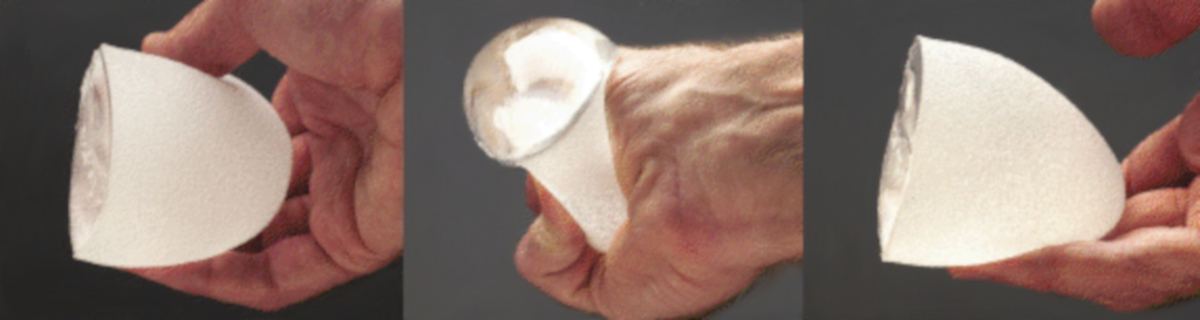
An Acellular Dermal Matrix is dermis that has been treated to remove all the living cells, leaving a collagen matrix that can be used as an internal patch to help cover breast implants. It can be used to help disguise rippling and to help support an implant that is displaced. Both human and pig skin are used in the manufacture, and the off-the-shelf availability is a big plus when the native tissue is sparse. Brand names include:
The downside – it is very expensive. A sheet of ACD costs more than a breast implant. So when local tissues are available, it can save you thousands of dollars.
Fat Grafting and Stem Cell Grafting to the Breasts
Interesting cases where presented of utilizing fat (which contains lots of stem cells) as a volume expander for the breast. Some techniques involve suction expansion of the breasts for a month or longer before grafting to increase the size and vascularity of the recipient bed. This is bleeding edge new, and the long term results are unknown.
Breast are mostly fat, and the principle of replacing like with like is a good one. However, if some of the graft doesn’t take – it dies, and dead fat can lead to lumps, hard spots, infection and calcifications. The problems with lumps, hard spots, and infection are pretty clear, so what is the problem with calcifications? Calcifications are what we look for on mammograms to help identify breast cancer. They stand out as bright white spots in the relatively dark breast tissue, and make identifying breast cancer much easier. If a breast is already full of calcifications, it can be very hard to identify a breast cancer. Either every calcification would need to be removed (making the breast smaller) or risk the early detection of a breast cancer. The implications of increasing the number of stem cells (cells that can become anything) in the breast is also unknown.
For now, research in this area should only be performed in carefully controlled studies. The problems that still need to be overcome include insufficient volume, unpredictable take, interference with mammography, long term outcome. Remember, before breast implants, not too long ago, free silicone was injected into the breasts to increase their size. It worked and felt very natural, at first. Long term, however, the breast became firm, lumpy and painful. The outcome may not be the case with fat grafting, but long term follow up is not yet available, and an assumption that everything will be fine is naive.
Gummy Bear Implants (Gummi Bear Implants)
Still awaiting FDA approval.
The most recent delay was rumored to be that the FDA was waiting to see that the current breast implant follow-up studies where progressing. I am an investigator for both Allergan and Mentor, and each has filled both their Saline Breast Implant and SIlicone Breast Implant follow-up studies. All that remains is to collect 10 years worth of data.
Will it take 10 more years to get FDA approval for the gummy bear implants? It took 14 years to get the current silicone implants re-approved.
Emend
Originally marketed to prevent the nausea and vomiting associated with chemotherapy (CINV), Emend is meant to prevent nausea and vomiting rather than treat it after it has occured.
Emend would need to be administered prior to post operative nausea and vomiting (PONV) to be effective. Currently this is an off-label use, and it has only sparingly been tried to date. Zofran, another medication that is currently widely used, started down the same path 20 years ago.
Risk factors for PONV:
female gender
young age
non-smoker
motion sickness
Since most of my breast augmentation patients have several of these risk factors, they all get treated prophylactically, often with several medications. If one med could prevent all PONV, it would simplify the treatment. Fingers crossed…