June 5th, 2012 Dr. Mele
The American Society of Clinical Oncology (ASCO) is meeting in Chicago this week, and some exciting new research is being presented in the medical treatment of some traditionally unresponsive cancers.
Plastic Surgeons and Cancer Treatment
Board Certified Plastic Surgeons perform more than three times as many reconstructive surgeries compared to
cosmetic plastic surgery procedures. Of these reconstructive plastic surgery procedures, more than 75% involve the treatment of cancer. The most common cancer by far is skin cancer, and so it accounts for the largest number of patients. Good reconstructive plastic surgery for skin cancer may not make the headlines, or Entertainment Tonight, like bad cosmetic plastic surgery does, but reconstruction after the removal of skin cancer is both rewarding and challenging.
Breast Reconstruction
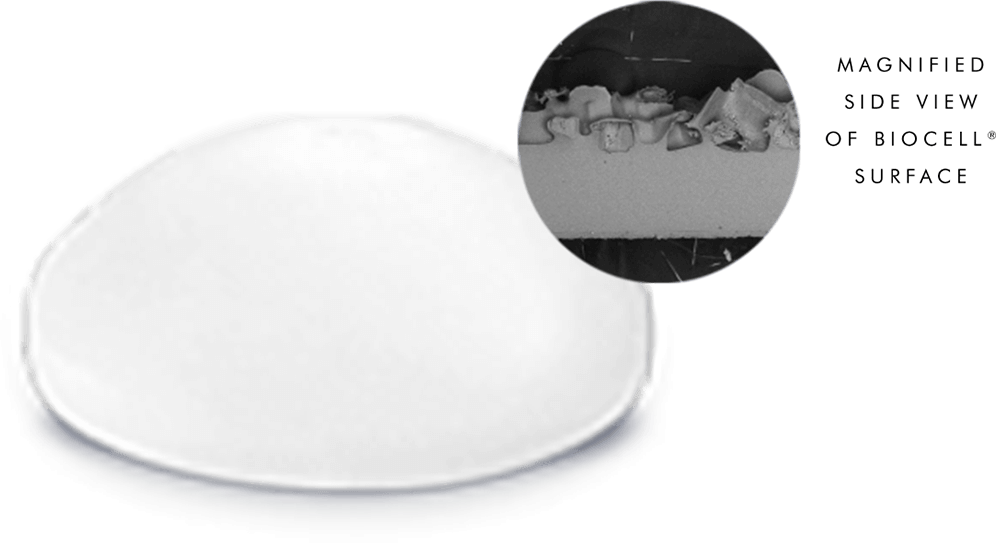
Over the last few decades, public awareness of breast reconstruction after the treatment of breast cancer has grown. Growth of the procedure has paralleled growth in the number of methods for reconstruction and the evolution of breast implants. Every day, San Francisco Bay Area Plastic Surgeons perform breast reconstruction to replace the breast mound removed with a mastectomy. New, high-strength cohesive gel shaped breast implants will help us do a better job*; however, if better treatments were available, fewer patients would require a mastectomy in the first place.
New Immuno-Chemoterapy
This is why news from the ASCO’s annual meeting is so exciting. For the first time, studies are showing tumor shrinkage and increased survival for patients receiving drugs that are a combination of immunotherapy and chemotherapy.
The immunotherapy portion of the drug is programmed to enter only cancer cells that have specific mutations. Once inside the diseased cells, the chemotherapy portion is activated and destroys the cancer cell. The goal is to target only the cancer cells. The concept has been around for some time, but now it’s a reality. Studies are underway to measure the safety and effectiveness of this new type of cancer treatment.
Personally, I am most excited about the ability to target specific cells. The next step could be to replace the toxic chemotherapy with instructions for the cell to turn off cancerous growth and repair itself.
Other Difficult Cancers also Targeted
Other promising research was presented. Difficult to treat cancers like Melanoma, Lung Cancer and Gastrointestinal Stromal tumors are responding in early trials. Additional information regarding the timeline of these and other cancer treatments can be found on the society’s CancerProgress.Net
The American Society of Clinical Oncology also provides cancer information online at Cancer.net.
*Stay tuned for more information about shaped, gummy bear breast implants on KRON4′s Body Beautiful. I will share more information next Monday, June 11, 2012 at 11:00 AM live on Channel 4. Call in to the show with your questions about these new high-strength cohesive gel breast implants.
Posted in Breast Cancer Awareness, Home | No Comments »
December 3rd, 2011 Dr. Mele
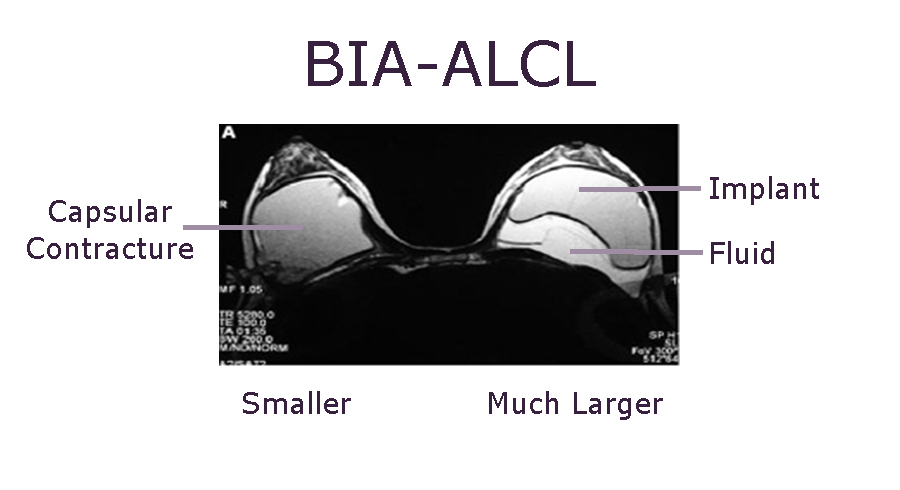
Earlier this year, the San Francisco Plastic Surgery Blog reported an extremely unusual, but possible association between breast implants and a rare form of Non-Hodgkin’s Lymphoma named Anaplastic Large Cell Lymphoma or ALCL. The tumor is extremely rare. Of the 5-10 million women with breast implants, fewer than 100 cases have been identified. Literature reviews have identified 34 unique cases, and as many as 75 cases may have been identified worldwide. Because of the rare nature of the tumor, it is not clear what the association between ALCL and breast implant is.

Anaplastic Large Cell Lymphoma
Demographics of all Known Reported Cases
Demographics of the cases are as follows:
- Age: Median 51 years old, Range 28-87 years old
- Implant Type: Silicone 24, Saline 7, Not specified 3
- Time from implant to ALCL diagnosis: Median 8 years, Range 1-23 years
- Reason for Breast Implant: Reconstruction 11, Cosmetic 19, Not Specified 4
The American Society of Plastic Surgery (ASPS) and the American Society for Aesthetic Plastic Surgery (ASAPS) have partnered with other international plastic surgery societies like the International Society for Aesthetic Plastic Surgery (ISAPS), to provide an organized way to report, and characterize the diagnosis and treatment of ALCL since its discovery.
ALCL is Not Breast Cancer
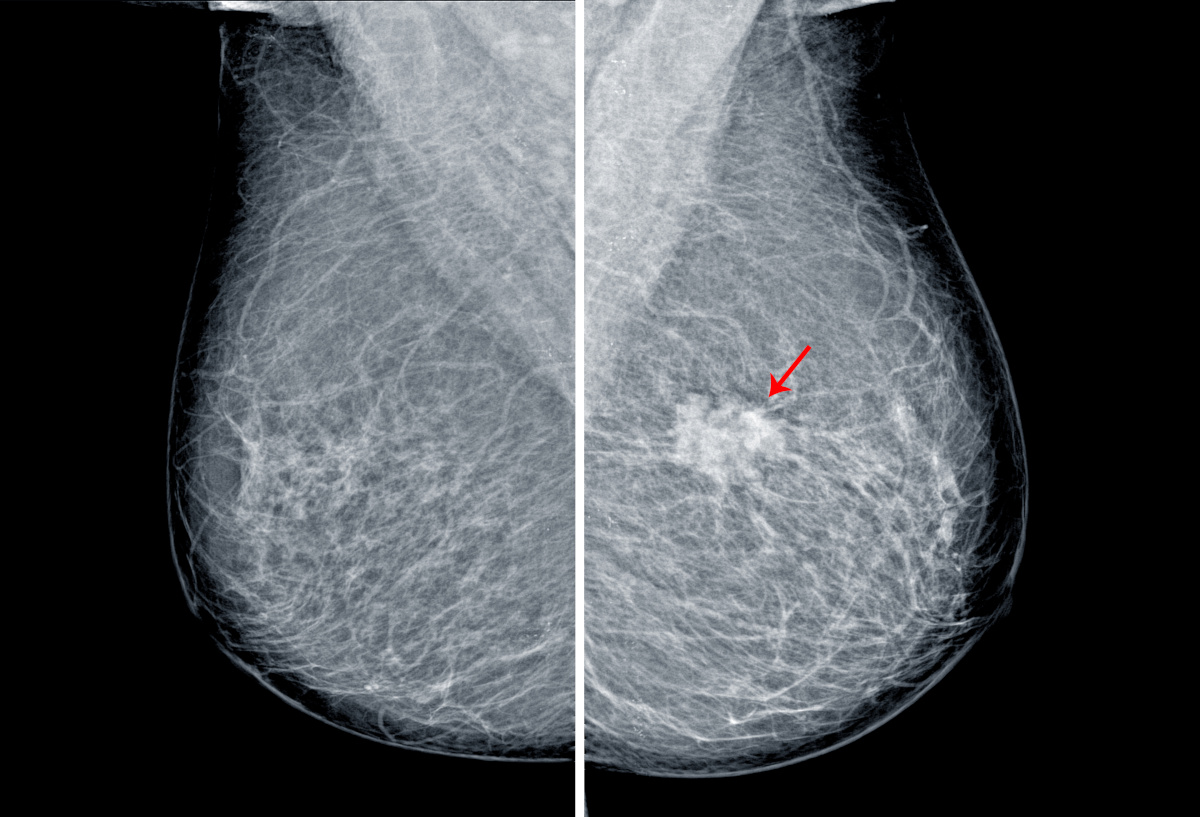
Breast cancer dwarfs ALCL in both numbers of cases and lethality. Breast cancer has an incidence of 1 in 9 women. This means for a group of nine randomly selected women, one woman would be expected to develop breast cancer in her lifetime. The actual breast cancer rate is a little higher, and this is why routine mammograms after age 40 are so important for early detection. The risk of getting breast cancer is about 700 times higher than the risk of getting struck by lightning.
No Increased Rate of Breast Cancer for Women with Breast Implants
While the association between ALCL and breast implants is still being worked out, there is no increased risk of breast cancer in women with breast implants. In fact, the results of more than seven long-term follow-up studies show that women with implants have a lower rate of breast cancer than is expected in the general population, and higher survival rates, perhaps due to enhanced breast awareness and early detection.
Looks Like ALCL, but Doesn’t Act Like ALCL
ALCL associated with breast implants is not as aggressive as other types of ALCL. It acts more like cutaneous lymphomas than the more systemic form of ALCL. ALCL associated with breast implants has been characterized as a rarely occurring, low-grade lymphoma, that seems to grow slowly and locally. While the risk of breast cancer is 1 in 9, the risk of ALCL is less than 1 in 300,000, and most resources quote ranges of 1 in 500,000 to 1 in a million. The risk of getting ALCL associated with breast implants is 50 to 150 times lower than the risk of getting stuck by lightning.
Last week, news of the first reported death from ALCL associated with breast implants hit the French news. The details are not known at this time, and unfortunately, the case is further complicated by the use of fraudulent breast implants that were filled with industrial grade silicone instead of the required medical grade silicone. The implants were manufactured by Poly Implant Prothèses (PIP) at La Seybe-sur-Mer in the Var. The company was forced to close in March of 2010, after it was determined that the implants were filled with non-medical grade silicone gel. These implants have more gel bleed, and are ten times more likely to break. Even though the company was forced to withdraw its products from the market when the discovery was made, thousands of French women are known to still have the defective implants. These implants have never been FDA approved in the US. Only Allergan’s Natrelle and Mentor’s Memory Gel breast implants are currently FDA approved.
The Latest ALCL News
The best information currently available on the topic is a review of opinions by a panel of experts from RAND Health, UCLA’s department of medicine’s division of hematology-oncology, the University of Michigan Health System’s department of surgery’s division of plastic surgery and others. The article has been accepted by ASPS’s Plastic and Reconstructive Surgery Journal, but has not yet been published. The results are based on the small number of cases known to exist, represent the opinions of the seven panel members and are not based on prospective randomized evidence. A copy of the article can be found here. The article’s disclaimer reads: Support for this study was provided by the Plastic Surgery Educational Foundation (PSEF) and the Aesthetic Surgery Education and Research Foundation (ASERF) through unrestricted grants from Allergan, L.L.C.; Mentor Worldwide, L.L.C.; and Sientra, Inc. Neither the study sponsors nor the listed companies had roles in the design and conduct of the study; collection, management, analysis, and interpretation of the data; and preparation, review, or approval of the manuscript.
As more information becomes available, I will post more updates. It is important to remember that this is an extremely rare problem. It is a sensational story though, so it is sure to hit the mainstream media soon. The ASPS, ASAPS and ISAPS are actively seeking all known cases of ALCL found around breast implants to determine what, if any association exists, if there is a causal relationship and how best to treat the disease when discovered. If you have, or know someone who has, ALCL associated with breast implants, please contact one of these plastic surgery societies and the FDA.
More Information About ALCL
A current summery of ALCL cases appeared in the June issue of Plastic and Reconstructive Surgery. The abstract can be read here.
The FDA has an ALCL and breast implants FAQ page here. Moreover, all confirmed cases of ALCL in women with breast implants should be reported to Medwatch, the FDA’s safety information and adverse event reporting program. Report online here or by calling 1-800-332-1088.
How to Detect ALCL Associated with Breast Implants
The chances of getting breast implant associated ALCL are extremely remote. I have thousands of patients with breast implants, and chances are that I will go my entire career without seeing one case. This, however, will not keep me from looking for it.
Most cases of ALCL in patients with breast implants have presented with a seroma (fluid collection) around the breast implant more than six months after the initial surgery. To try and detect ALCL as soon as possible, experts are recommending aspirating (draining) seromas around breast implants when they occur later than six months after breast augmentation or breast augmentation revision surgery, and also sending the fluid for cytologic analysis to check for abnormal cells. If you feel you have a problem with your breast implants, do not delay; seek the advice of a Board Certified Plastic Surgeon in your area.
Posted in Breast Cancer Awareness, Home | No Comments »
October 28th, 2011 Dr. Mele

October - Breast Cancer Awareness Month
October was national breast cancer awareness month. The NFL celebrated with NFL Pink’s A Crucial Catch. By teaming up with the American Cancer Society, and by wearing pink caps and gloves, the focus is on the importance of annual screenings, especially for women who are 40 and older.
Who Gets Breast Cancer?
Worldwide, 1.5 million people are expected to be diagnosed with breast cancer in 2011. The importance of self-examination and mammograms cannot be overstressed. The earlier breast cancer is detected, the better the cure rates, and the smaller the need for mastectomy. Controversy in the timing and number of mammograms has been highlighted here on the San Francisco Plastic Surgery Blog, and as new technology and detection strategies develop, these recommendations will change. We will continue to add our voice to San Francisco Breast Cancer Awareness.
What Can a Plastic Surgeon Do?
Plastic surgeons usually get involved after the diagnosis of breast cancer is made. I have been involved on both sides of the stethoscope, personally and professionally. The diagnosis is made worse by not knowing what to expect. Once the diagnosis is made, and the plan is selected; however, being able to contribute with breast reconstruction can be a big positive.
What Options Are Available for Breast Reconstruction?
Breast reconstruction in 2011 consists of two main options: Breast implants or breast flaps. Breast reconstruction with a breast implant is often begun at the time of mastectomy. The advantage of this immediate reconstruction is the ability keep a breast mound despite the mastectomy. Sometimes the reconstruction is better delayed until after the initial other treatments like chemotherapy or radiation.
Breast flaps include local rearrangement of skin, fat and even muscle from the abdomen and back, as well as microvascular transplantation. These operations can also be either immediate or delayed. They require additional surgical time and the healing of a “donor site”, but can avoid some of the complications associated with a breast implant.
What’s on the Horizon for Breast Reconstruction?
New technologies are also being explored. Fat and stem-cell grafting are being explored as “less invasive” methods of breast reconstruction, but these still remain controversial and should only be performed as part of a well planned and IRB reviewed investigation until more is known.
Another novel method involves a little of all the above. An Australian company, Neopec, uses a temporary implant, a flap of fat and a special gel to enhance cell growth, in an attempt to fill the space created by the implant and eventually form a new breast mound made of the patients own fat cells.
Breast Cancer Awareness Month – All Year Long
While it is nice to help restore that which is lost, it is better to treat breast cancer early before a mastectomy is necessary. So as Breast Cancer Awareness month draws to a close, and we continue to Walk for Breast Cancer and Race for the Cure, please remember your mammogram and to do a brief monthly self breast exam for the other eleven moths too.
Posted in Breast Cancer Awareness, Breast Reconstruction, Home | No Comments »