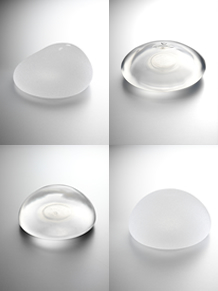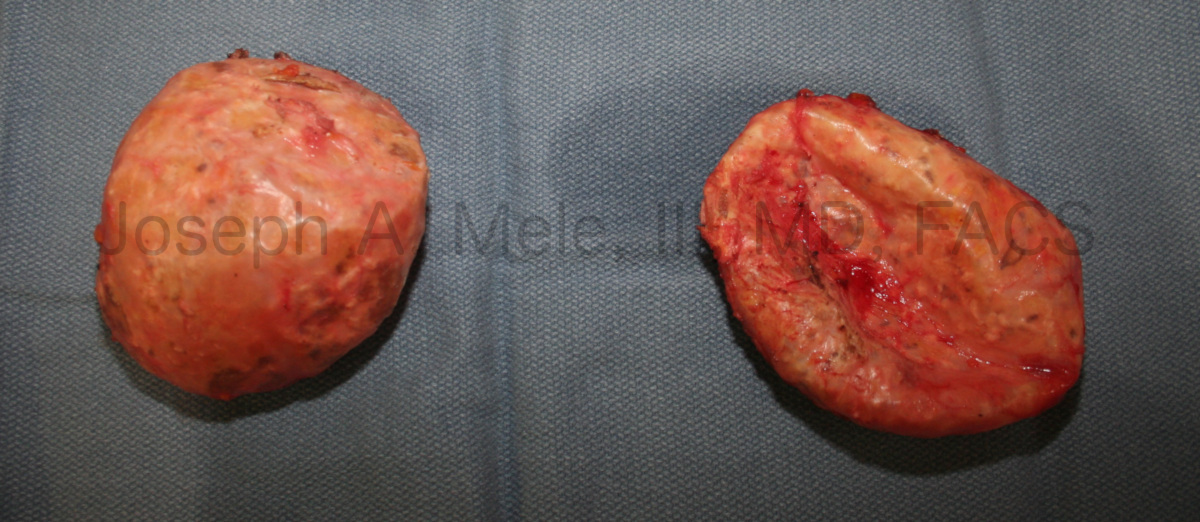
Capsular Contracture occurs when the scar that normally forms around a breast implant becomes too much scar. It is normal and desirable that a scar forms around the breast implant. The scar forms a pocket called the capsule. The capsule secures the breast implant and keeps it from migrating around under the skin. The capsule is very important to prevent malposition and bottoming-out of the breast implants. A normal capsule is soft and cannot usually be felt.
What is Capsular Contracture?
Capsular Contracture occurs when the capsule is too tight or too thick. While Wikipedia defines capsular contracture as an abnormal response of the immune system, it is more likely an exaggerated normal response. If the capsule is tight all around the breast implant, it can make the breasts feel hard and immobile. If the capsule is tight on just one side, it can push the implant. For example, when the scar is tight on the bottom, it moves the implant up. The result is the opposite of bottoming out.
Baker’s Grades of Capsular Contracture
Capsular Contracture is graded (Baker grades) as follows:
Grade I – Naturally soft. Not palpable
Grade II – Increased firmness. Scar is palpable. No visual distortion.
Grade III – Firm to touch. Immobile causing visual distortion.
Grade IV – Same as Grade III and painful.
Grades I and II are the most frequently seen capsular contractures and are not normally treated. Grades III and IV are less frequent, and are often treated with a Breast Augmentation Revision Surgery.
Capsular Contracture Treatment
Many non-operative treatments exist and none have been proven to be clinically effective. Massage, ultrasound, vitamin-E, antibiotics, steroids and the latest leukotriene inhibitors (Accolate) have been tried with occasional anecdotal improvement, but there are no large studies proving any of these techniques safe and effective for treating capsular contracture. They are frequently employed with grade II and early grade III capsular contracture in an attempt to reverse the progression to a tighter scar capsule.
The best method of treatment remains breast implant revision surgery. For grade III and IV capsular contractures, capsulotomy and capsulectomy are the mainstay of treatment. Capsulotomy is a surgical technique during which the capsule is incised to allow for expansion. This is most effective when the scar is thin and soft. Capsulectomy is the surgical removal of the scar. This is used when the scar is thick. There is a slightly greater risk of bleeding with the capsulectomy.
More Information about Capsular Contracture is Available Here
Additional articles about Capsular Contracture are available here on the San Francisco Plastic Surgery Blog. Just click these links:
Silicone gel filled breast implants were introduced to the US in 1962, and after 50 years of use, they remain among the most scrutinized medical devices currently available in the US. In June, 2011, the FDA released their Update on the Safety of Silicone Gel-Filled Breast Implants.
A Brief History of Breast Implants
1962 – Silicone gel-filled breast implants were introduced in the US. Prior to 1962, breast augmentation was performed with fat grafting or polyvinyl sponges.
1976 – US Congress passes the 1976 Medical Device Amendments to the Federal Food, Drug, and Cosmetic Act. Breast implants are classified as moderate risk (Class II) devices and required to comply with general controls and performance standards. The FDA reviews new breast implants through the 510(k) premarket notification process.
1980′s – Concerns are raised about associations between breast implants, particularly the silicone gel filled breast implants, and serious health issues such as breast cancer and systemic connective tissue disorders such as lupus, scleroderma and rheumatoid arthritis. The FDA reclassifies breast implants into Class III, higher-risk products needing premarket approval (PMA), and called for manufacturers to provide data demonstrating the devices were safe and effective.
1992 – The FDA decides that the manufacturers had not adequately addressed public concerns about certain complications. Rather than selecting the devices with a poor record, the FDA removes all silicone gel filled breast implants from the market, but only for elective cosmetic breast augmentation. The FDA continues to allow manufacturers to provide silicone gel filled implants for reconstruction after mastectomy, correction of congenital deformities, replacement of existing implants and for breast augmentation performed in conjunction with a breast lift. The Breast Implant Adjunct Studies were created, so that data could be collected about device performance and safety in these groups of women. In order to make breast implants again available for elective cosmetic breast augmentation, the FDA requires manufacturers to submit premarket approval applications that contained data on safety and effectiveness – like a new product. Europe follows the lead, but removes restrictions after 6 months, after reviewing the available literature and finding no links to serious systemic health issues.
1993 – The next generation of breast implants (Allergan Style 410 and Mentor Contour Profile Gel), textured, anatomic, highly cohesive (nearly form stable), silicone gel filled breast implants are complete, tested, and ready for submission for FDA studies in the United States and Europe … and Europe takes the lead.
1999 – The Institute of Medicine (IOM) releases a comprehensive report of the published literature and ongoing studies on breast implants, entitled Safety of Silicone Breast Implants. The study concludes that there is no evidence that silicone breast implants cause systemic health effects, such as cancer or autoimmune disease. Local complications (infection, bleeding, pain, deflation, capsular contracture, additional surgery) remain the primary safety issue with silicone breast implants.
2006 – The FDA approves Allergan’s Natrelle Silicone Gel Filled Breast Implants and Mentor’s MemoryGel Silicone Gel Filled Breast Implants. The FDA based its approvals on the manufacturers’ Core Studies. These clinical PMA studies followed hundreds of women with silicone gel filled breast implants for 4 years (Allergan) or 3 years (Mentor). The FDA determines that silicone filled breast implants are safe and effective and that the benefits and risks of breast implants were sufficiently well understood for women to make informed decisions about their use. As conditions of approval, the FDA requires both manufacturers to conduct six post-approval studies to investigate the long-term performance and safety of their silicone gel filled breast implants. From the FDA’s site these studies are:
Core Post-Approval Studies (Core Studies) – To assess long-term clinical performance of breast implants in women that enrolled in studies to support premarket approval applications. These studies were designed to follow women for 10 years after initial implantation.
Large Post-Approval Studies (Large Studies) – To assess long-term outcomes and identify rare adverse events by enrolling more than 40,000 silicone gel-filled breast implant patients and following them for 10-years.
Device Failure Studies (Failure Studies) – To further characterize the modes and causes of failure of explanted devices over a 10-year period.
Focus Group Studies – To improve the format and content of the patient labeling.
Annual Physician Informed Decision Survey (Informed Decision Study) – To monitor the process of how patient labeling is distributed to women considering silicone gel-filled breast implants.
Adjunct Studies – To provide performance and safety information about silicone gel-filled breast implants provided to U.S. women from 1992-2006, prior to approval, when implants could only be used for reconstruction and replacement of existing implants.
2011 – The FDA releases the Update on the Safety of Silicone Gel-Filled Breast Implants. The conclusion: breast implants, while not perfect, remain safe and effective. The most common problems associated with breast implants remain: capsular contracture, reoperation and implant removal (with or without replacement). Other frequent complications include: implant rupture, wrinkling, asymmetry, scarring, pain, and infection, among others. These observations are consistent with the local complications and adverse outcomes that were known at the time of approval, and there remains no apparent association between silicone gel filled breast implants and connective tissue disease, breast cancer, or reproductive problems.
What’s Next in US Breast Implants
A “new” breast implant has been available in Europe since 1993, and despite many years of experience, it continues to await US approval by the FDA. These from stable breast implants also are not perfect; however, they have a lower local complication rate than any breast implant currently available on the US market. San Francisco Bay Area Breast Augmentation patients and Plastic Surgeons alike, want to know, when will “gummi-bear” breast implants finally be approved? The date of approval remains anybody’s guess.
Update: The French Supreme Court has issued an injunction against the decree listed below. The court found inconsistencies siting the broad range of exclusion which included some devices previously CE and FDA approved. For now the baby and the bathwater are safe.
France Keeps Liposuction - Bans the Rest.
France Bans Mesotherapy as a “Serious Health Risk”
France, the birthplace of Mesotherapy, has banned the practice. Fifty years after inventing Mesotherapy, France has now made it illegal. The French government has made Mesotherapy, Carboxytherapy and Laser Fat Reduction treatments illegal because they pose a “serious danger to human health.” In fact, all non-invasive of fat treatments (ultrasound, lasers, infrareds, radiofrequency) have been banned.
Originally published on April 12, 2011, and effective June 13, 2011, the Ministry of Work, Employment and Health, Decree N° 2011-382, prohibits mesotherapy and most other forms of aesthetic lipolysis (fat destruction). This ban includes many of the methods of fat removal currently marketed in the United States as safe, cheap alternatives to liposuction.
Liposuction – Still Safe and Effective
It is important to note that the ban does not include Liposuction. Liposuction remains the most predictable and most effective means of liposculpture. Unlike weight loss, Liposuction can selectively remove specific deposits of fat, and works best if you are maintaining a weight near your ideal.
Mesotherapy – A Serious Danger to Your Health
The notice from the French High Authority of Health prohibits specific techniques of aesthetic lipolysis (destruction of body fat cells) presenting a serious danger. It also bans techniques using appliances for external application (ultrasound, lasers, infrareds, radiofrequency) presenting a suspicion of a serious danger for human health. The full decree translated to English is printed below, with a link to the original French.
Decree N° 2011-382 Reads as Follows
The Prime Minister, after report of the Minister of Work, Employment and Health, after the code of Public Health, especially of articles N° L.1151-3 and L.1152-2, after the advise of the High Authority of Health of December 17th 2010.
Decrees:
Article 1 – The following techniques of aesthetic lipolysis are prohibited because of their serious danger for human health:
lipolysis using injections of hypo-osmolar solutions
lipolysis using injections of lipolytic solutions (phosphatidylcholine or sodiumdesoxycholate)
lipolysis using injections of mesotherapeutic mixture
lipolysis using Carboxy therapy(Carbon Dioxie or CO2)
lipolysis using transcutaneus Laser, without suction
Article 2 – Techniques of aesthetic lipolysis using appliances for external application are prohibited because of their suspicion of a serious danger for human health.
If you are near your ideal weight, and have stubborn disproportionate areas of fat that will not go away, liposuction can safely and effectively reshape your body. If you are significantly overweight, the safest method of weight loss remains a proper diet and regular exercise. Weight is likely to return after liposuction if not combined changes to your lifestyle to maintain the lower weight. If significantly overweight, liposuction is about as effective as a crash diet — once off the diet, the weight returns. If you are mobidly obese, bariatric surgery may be a viable option.
Liposuction Video
Stay tuned, this week I appeared on KRON4′s Body Beautiful with Vicki Liviakis and discussed liposuction. San Francisco Bay Area plastic surgery patients were able to call in and have their questions answered. In the coming weeks, I will post the liposuction videos here, on the San Francisco Plastic Surgery Blog. If you are interested and would like to take a trip to Walnut Creek, Liposuction consultations are available in my Walnut Creek Plastic Surgery office. Call (925) 943-6353 or use the contact form to the left if you have questions or would like to schedule your private cosmetic surgery consultation.
Dr. Mele discusses Rhinoplasty (aka: Nasal Surgery, Nose Surgery or the Nose Job) on the San Francisco Bay Area's News Station, KRON4.
So what is the latest in Rhinoplasty Walnut Creek? San Francisco Bay Area plastic surgery patients want to know. I explore the topic with an eye on history because new nasal surgery techniques come and go, but the truly great ideas persist. The basics of the “modern” rhinoplasty have been around for centuries; however, the advent of safe and effective anesthesia has allowed us the operative time to work on the fine details with high patient satisfaction.
Closed Rhinoplasty vs. Open Rhinoplasty
The debate over which technique is better, closed rhinoplasty or open rhinoplasty, continues to this day. Each provides some advantages and disadvantages, and the final determination of which technique is best for your nose will depend on an careful, professional evaluation by a Board Certified Plastic Surgeon or Board Certified Otolaryngologist (also called Facial Plastic Surgeons though the ABMS does not recognizes this as a separate Board Certification).
Closed Rhinoplasty
Prior to the 1900′s, most rhinoplasty was performed “closed”. Pioneers like Joseph, Freer, Killian and Cottle showed us what can be done with the closed rhinoplasty technique, and many of the instruments used for septoplasty today, still bear their names.
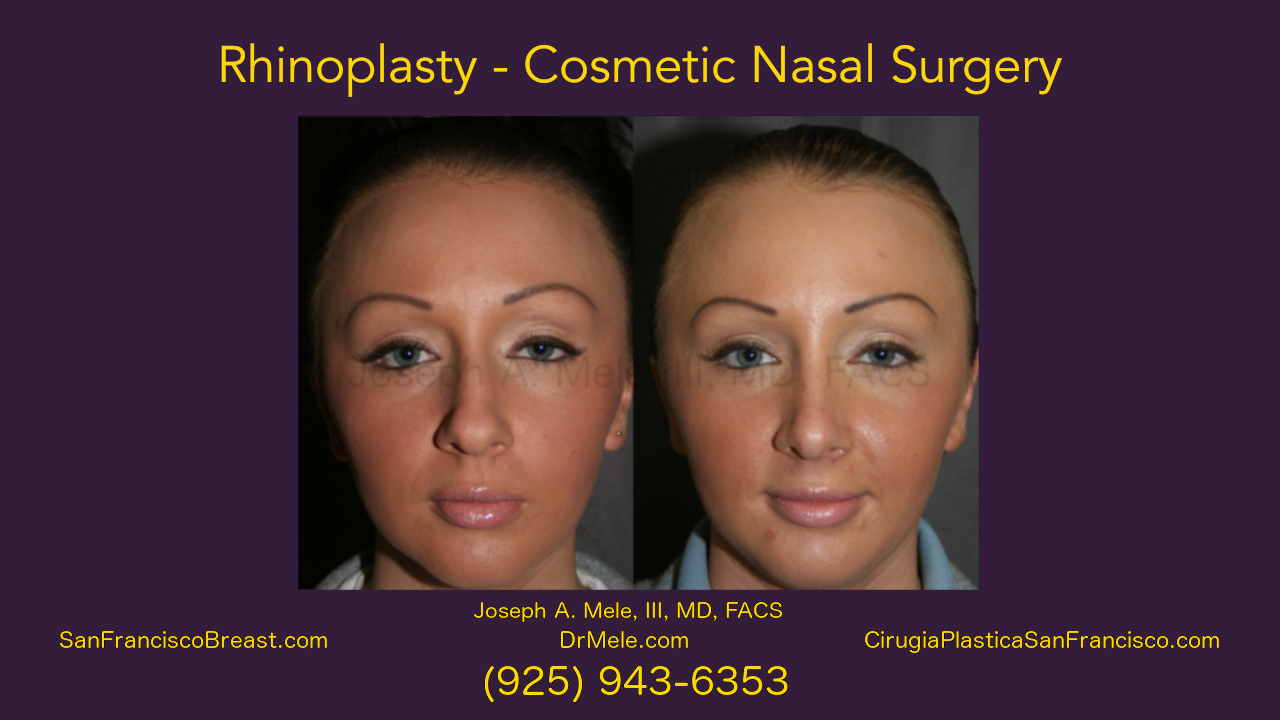
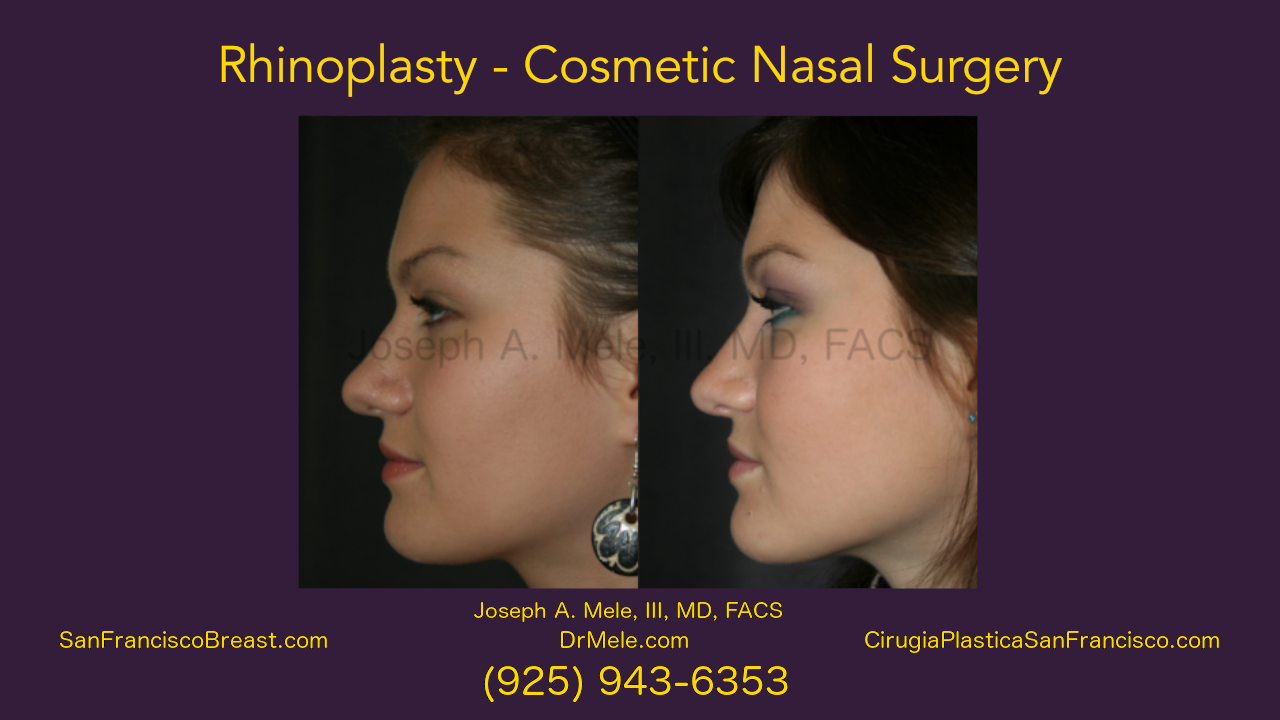
The closed rhinoplasty avoids the small incision between the nostrils necessary for the open technique, and closed nasal surgery works well for dorsal reductions and narrowing of the boney and cartilaginous nasal sidewalls. For these standard rhinoplasty modifications, the open technique does not provide much advantage.
Since the closed technique incisions are all inside the nose, they are hidden. However, the small external scar needed in the open technique usually heals extremely well and is very difficult to see in most circumstances. The closed technique may have less post-operative tip swelling, but when similar operations are performed, it is difficult to demonstrate the difference.
Open Rhinoplasty
Open rhinoplasty was advanced by Rethi, Padovan and Goodman for the tip rhinoplasty, and was advocated for its superior visualization of the nasal anatomy.
The difference between open nasal surgery and closed nasal surgery is the 1/4 inch incision made between the nostrils. This small incision allows the nasal skin to be lifted, like the hood of a car. While the nasal tip cartilage can be seen with the closed approach, it is necessary to deliver one side at a time for tip work. The open technique reveals both sides simultaneously, and facilitates the symmetry of the result.
Nasal Autografting
Another leap forward in the advancement of the 21st century rhinoplasty was the use of autografting. Cottle, Skoog and more recently Sheen, described combining resection of the nasal dorsum (the bump on the nose) with augmentation to achieve an aesthetic nose. The technique involves removing cartilage from where there is an excess, and adding it to areas of deficiency. Sometimes the amount removed is insufficient, and additional cartilage is borrowed from the nasal septum, ear and less commonly the rib.
Nasal Surgery (Rhinoplasty) Video
Below is a nasal surgery (rhinoplasty) video from a recent appearance on KRON, channel 4. The show is Body Beautiful with host, Vicki Liviakis. Be certain to tune in to channel 4 tomorrow, at 11:00 AM, for my next appearance.
What follows is final segment of a special presentation on cosmetic nasal surgery (nose jobs). The 800 number in this nasal surgery video was only for the live show so viewers could call in with their questions. If you have questions about nose surgery, please give me a call at (925) 943-6353, or use the contact form on the left. Additional information and links are available at the end of this post.
Nose Job Video on KRON4′s Body Beautiful
Rhinoplasty (Nasal Surgery) Questions
This Rhinoplasty (Nasal Surgery) Video includes:
Do all Rhinoplasties look the same?
Cookie cutter vs. personalized nasal surgery?
The role of Computer Imaging in planning for cosmetic surgery of the nose?
Treatment of the broken nose.
What is Rhinoplasty revision surgery?
How often is revision of a nose job needed?
What is secondary rhinoplasty?
Additional Information on Nasal Surgery, Rhinoplasty and Nose Jobs
This is part 4 of 4 in a video series on Rhinoplasty (Nasal Surgery) in the San Francisco Bay Area. Additional segments can be found here:
Dr. Mele discusses Rhinoplasty (aka: Nasal Surgery, Nose Surgery or the Nose Job) on the San Francisco Bay Area's News Station, KRON4.
Gaspare Tagliacozzi the Father of Modern Plastic Surgery
Gaspare Tagliacozzi - the Father of "Modern" Plastic Surgery
Rhinoplasty (nose jobs) has continued to evolve since the early descriptions by Sushruta in 1000 to 600 BC. A giant leap forward was made in the 16th century by Italian surgeon Gaspare Tagliacozzi. Tagliacozzi championed the Italian Method of Plastic Surgery, and made nasal surgery more practical. His ideology is documented in De Curtorum Chirurgia per Insitionem Libri Duo, published in 1597. Professor Tagliacozzi also provided us with one of my favorite plastic surgery quotes:
“We restore, rebuild, and make whole those parts which nature hath given, but which fortune has taken away. Not so much that it may delight the eye, but that it might buoy up the spirit, and help the mind of the afflicted.”
Modern Rhinoplasty
New methods for reliably reducing and augmenting the nose make the procedure more versatile, safer and more predictable. Computer imaging helps to relay the desired goals between you and your rhinoplasty surgeon, and the future looks promising. Tissue engineering will one day allow for the tissues of the nose to be designed and available off-the-shelf. This will be extremely helpful for reconstructive nasal surgery, when either due to cancer, trauma or dysphoria.
Nasal surgery is one of the most personalized and one of the most demanding of all the cosmetic plastic procedures in which I specialize. Rhinoplasty is one of the few surgeries where a millimeter of change can make a big difference.
Nasal Surgery (Rhinoplasty) Video
Below is a nasal surgery (rhinoplasty) video from a recent appearance on KRON, channel 4. The show is Body Beautiful with host, Vicki Liviakis. What follows is part 3 of a 4 part special presentation on cosmetic nasal surgery (nose jobs). The 800 number in this nasal surgery video was only for the live show so viewers could call in with their questions. If you have questions about nose surgery, please give me a call at (925) 943-6353, or use the contact form on the left. Additional information and links are available at the end of this post.
Nose Job Video on KRON4′s Body Beautiful
Rhinoplasty (Nasal Surgery) Questions
This Rhinoplasty (Nasal Surgery) Video Viewer Questions including:
Reconstructive Rhinoplasty
How to treat flared nostrils?
Weir excisions
Spanning sutures
How to treat a flattened nasal tip?
Can Nasal Surgery be performed safely on an outpatient basis?
Additional Information on Nasal Surgery, Rhinoplasty and Nose Jobs
This is part 3 of 4 in a video series on Rhinoplasty (Nasal Surgery) in the San Francisco Bay Area. Additional segments can be found here: